
Application · Test rig
Recording wheel loads on the road, then replaying and checking them on a simulator
In brief
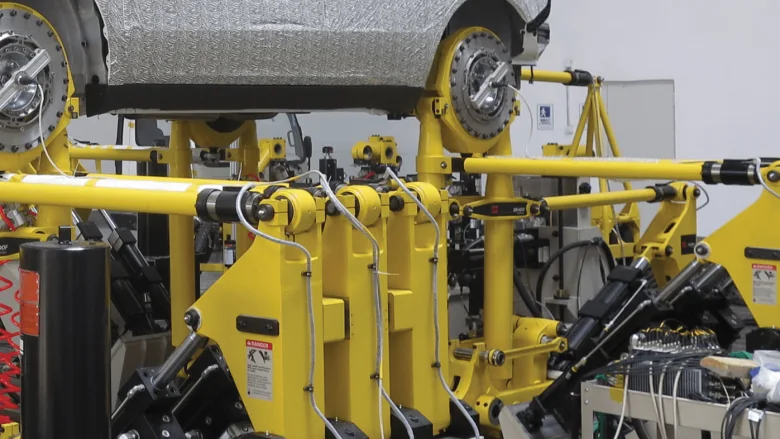
A road simulator reproduces real driving conditions in the laboratory, to test the dynamics and the durability of a vehicle. It replicates the road input but does not measure the loads at the wheel. Wheel force transducers do. They record the wheel loads on the road, provide feedback to the simulator controls, and verify that the loads on the rig match the road recording.
- 6
- load components at the wheel center: three forces, three moments
- 15.5 to 700 kN
- range of the LW series, from motorcycles to heavy trucks
What a road simulator is for
A road simulator tests the dynamics and the durability of a vehicle in a controlled laboratory setting, by reproducing real driving conditions. The results guide the design changes. Replicating the road in the laboratory also reduces the risk of damaging the vehicle during the test.
The simulator replays the road, but does not measure the wheel
Environment, speed and vehicle weight all enter the design and calibration of a road simulator. The simulator replicates road conditions, but it has no direct measurement of the response at the wheel. Without that measurement, the loads the vehicle actually sees at the wheel during the simulation are unknown.
The same transducers on the road and on the rig
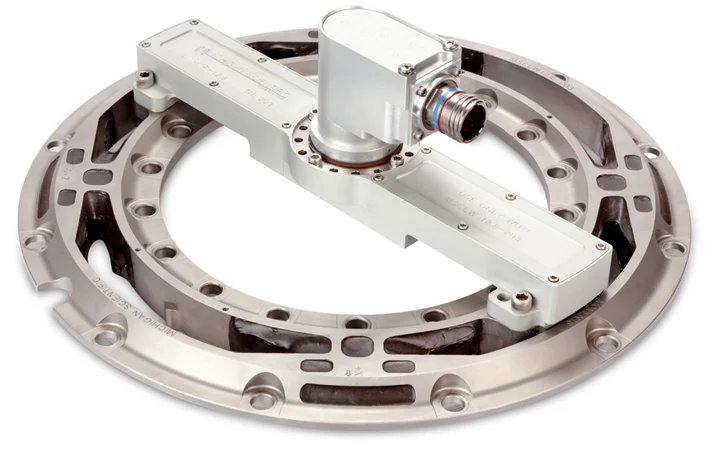
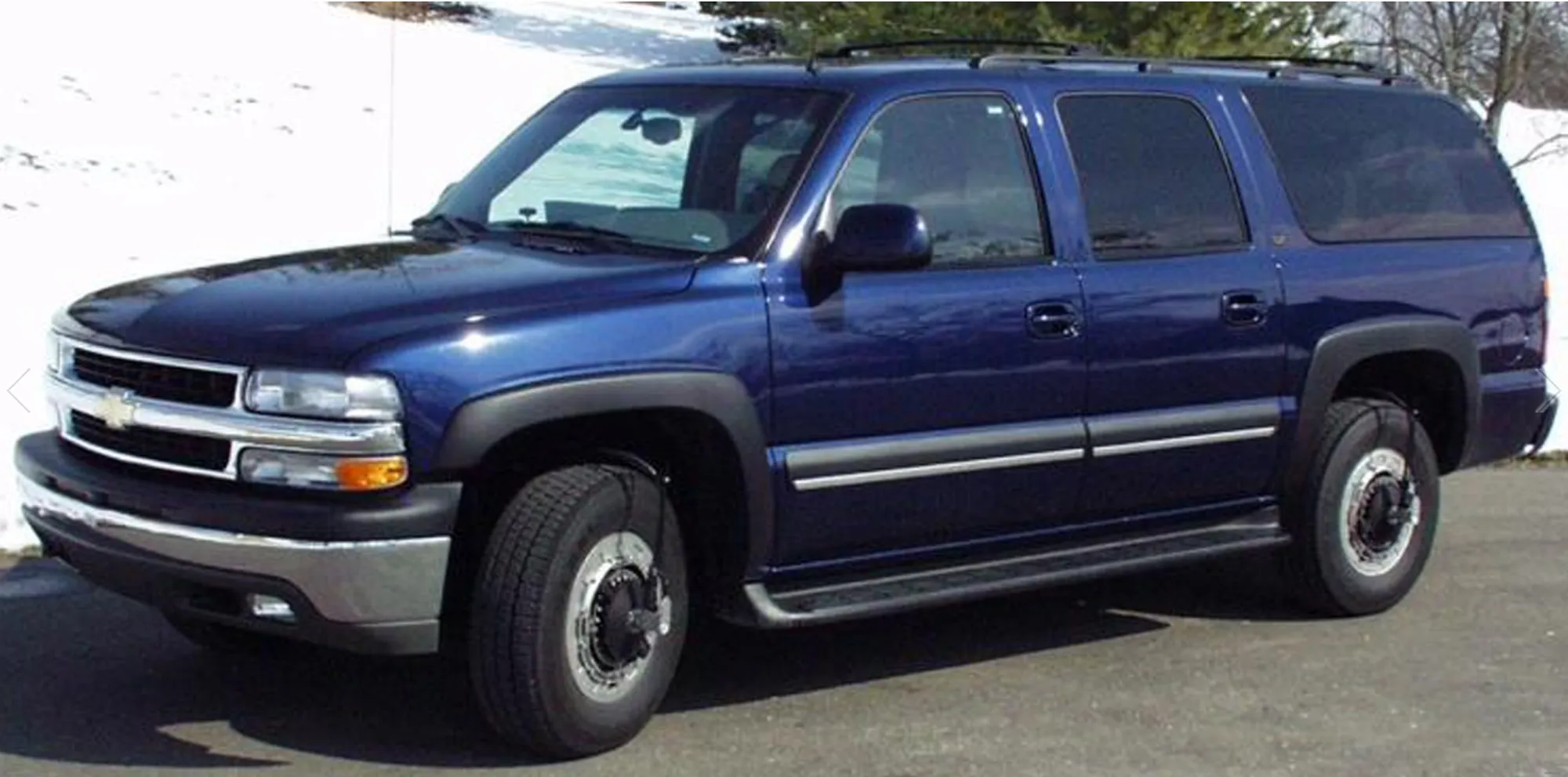
A wheel force transducer measures three forces and three moments at the wheel, with X and Z accelerations, wheel speed and wheel position. It works in field tests and in the laboratory: an LW transducer mounts on a test rig through flanges or hubs, spinning or not.
- 01
Record the loads on the road
The vehicle is driven with the transducers in place of the wheel centers. The forces and moments are recorded in real driving.
LW series wheel force transducers - 02
Replicate the road in the laboratory
The recorded wheel loads are used to reproduce the same road conditions on the simulator.
- 03
Close the loop at the wheel
The transducers are often used as feedback for the simulator controls. The CT2 interface box does the coordinate transformation and crosstalk compensation in real time, with analog, CAN and Ethernet outputs.
- 04
Verify the simulation
The wheel loads measured on the rig are compared with the road recording.
Hub-coupled or tire-coupled
Simulators load the vehicle in two ways. Hub-coupled simulators attach directly to the hub or the axle and apply the forces and moments that go into the suspension system. Tire-coupled simulators load the vehicle through the tires, to test how the wheels interact with the road. Potholes and rough terrain are typical inputs. The measured forces are used to improve the safety and the durability of the suspension.
From motorcycles to highway trucks, and the simulator itself
The LW series runs from 15.5 kN for motorcycles to 700 kN for heavy vehicles, so the same method covers motorcycles, ATVs and large highway trucks. The transducers fit the production wheel sizes of standard vehicles. They are also used to test road simulators themselves.
What you get
The same six load components at the wheel on the road and on the simulator. The road recording becomes the reference for the laboratory test, the transducers give the feedback at the wheel, and the simulation is verified with the same sensors.
Frequent questions
Does a road simulator measure the loads at the wheel?
No. A simulator replicates road conditions, but it lacks a direct measurement of the response at the wheel. Wheel force transducers provide it: three forces and three moments at the wheel.
Can the same wheel force transducer be used on the road and on a test rig?
Yes. A wheel force transducer works in field tests and in the laboratory. An LW transducer mounts on a test rig through flanges or hubs, spinning or not.
How do wheel force signals reach the simulator controls in real time?
Through the CT2 interface box. It does the coordinate transformation and crosstalk compensation in real time and has analog, CAN and Ethernet outputs.
Which vehicles can be fitted with wheel force transducers for simulator work?
The LW series covers 15.5 to 700 kN, from motorcycles and ATVs to large highway trucks, and fits the production wheel sizes of standard vehicles.
Similar applications
All applications-
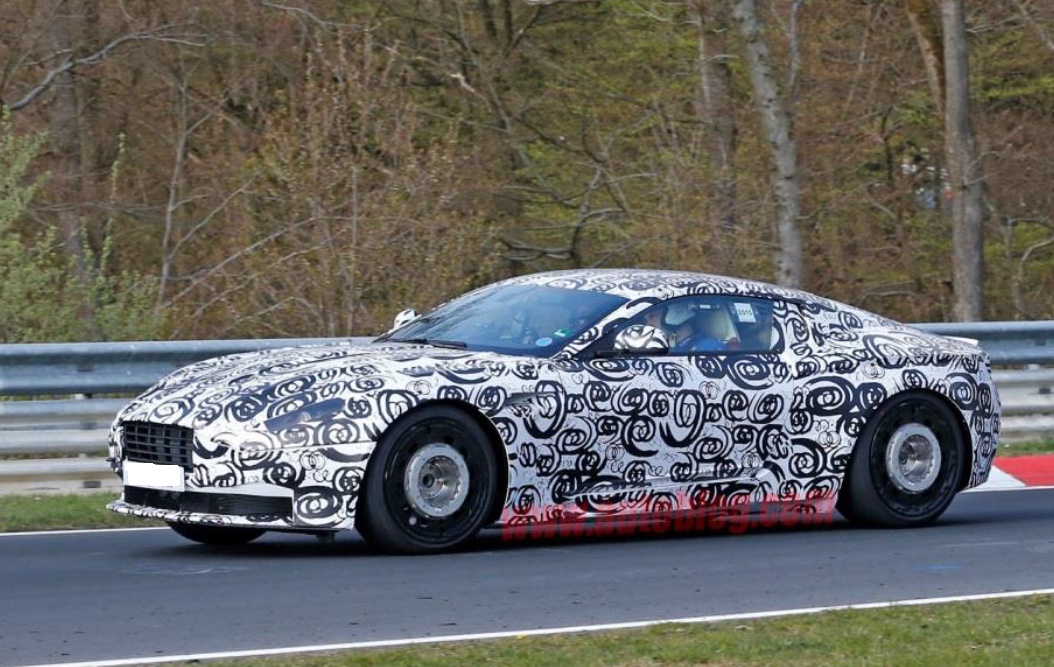 Durability Wheel loads on the road Three forces and three moments at each wheel, recorded while the vehicle is driven.
 -
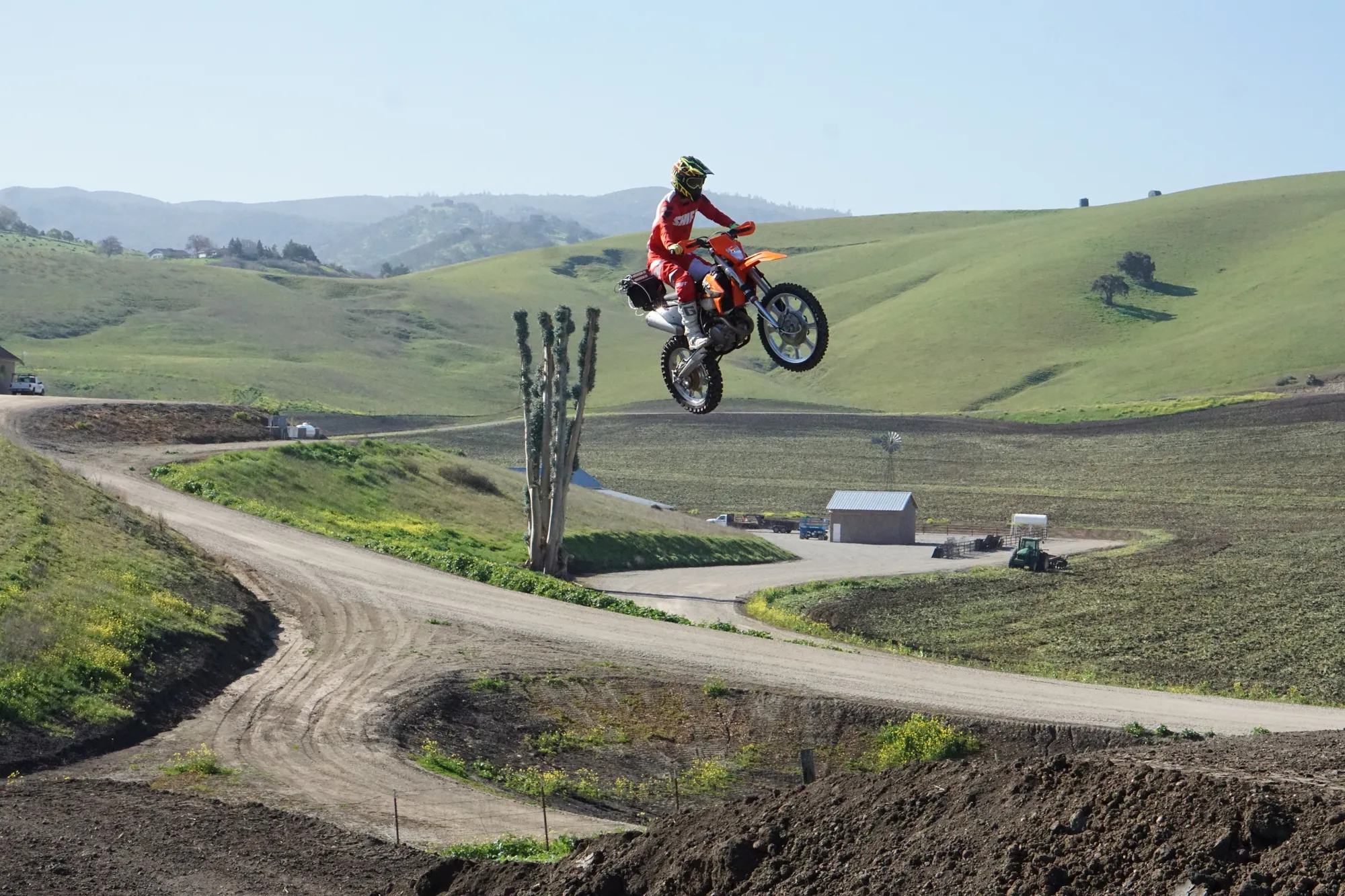 Durability Durability campaigns The load each wheel really sees on a pothole, an obstacle or a rough track, as recorded data.
 -
 Suspension Suspension component loads How the wheel loads split between the suspension components and enter the chassis.