
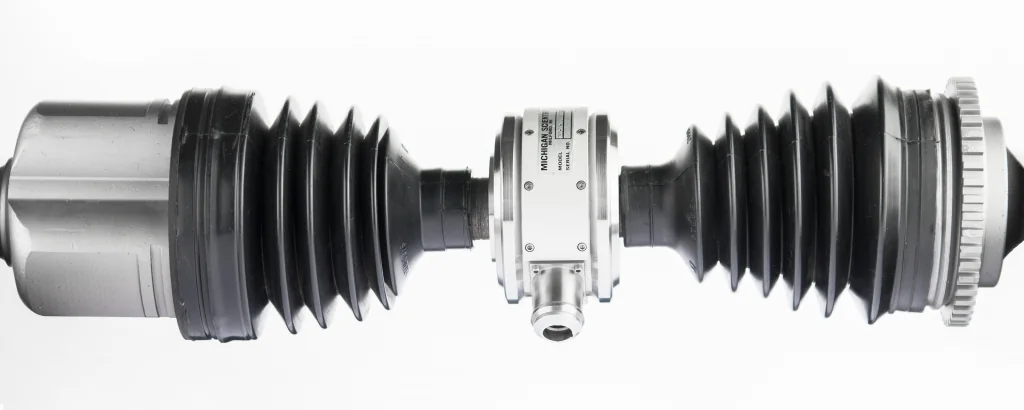
Type of test
Powertrain and transmission
Half-shaft, propshaft and crankshaft torque, and temperatures on rotating parts, on the road and on the dyno.
Torque and temperature are taken on the rotating parts themselves: shafts, wheels, crankshafts and electric machines, on the vehicle or on the bench.
telemetry · slip rings · WTT
Which torque do you need to measure?
Half shafts, propshafts, crankshafts and rotating temperatures. Each application shows the mounting, the telemetry or slip ring, and the signals you get.
-
 Efficiency Vehicle efficiency and power mapping Torque and speed measured at each driveline stage, from engine to wheel, so each power loss has a location. Discover
 -
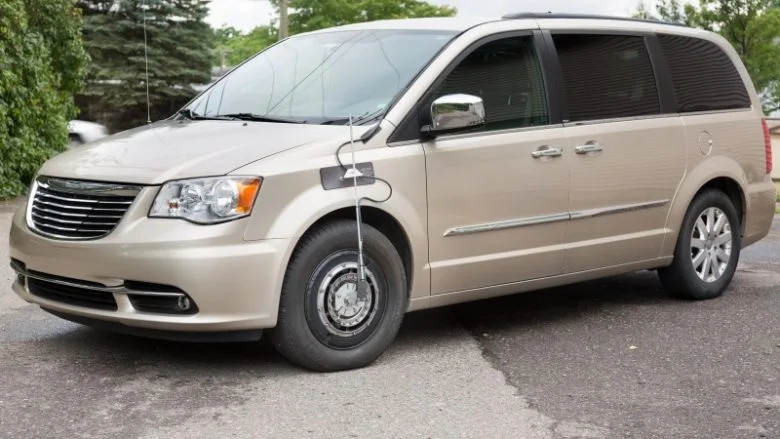 Efficiency Brake drag and rolling resistance Low drag torques at the wheel, read on the road with a resolution of 0.14 N·m on cars and SUVs. Discover
 -
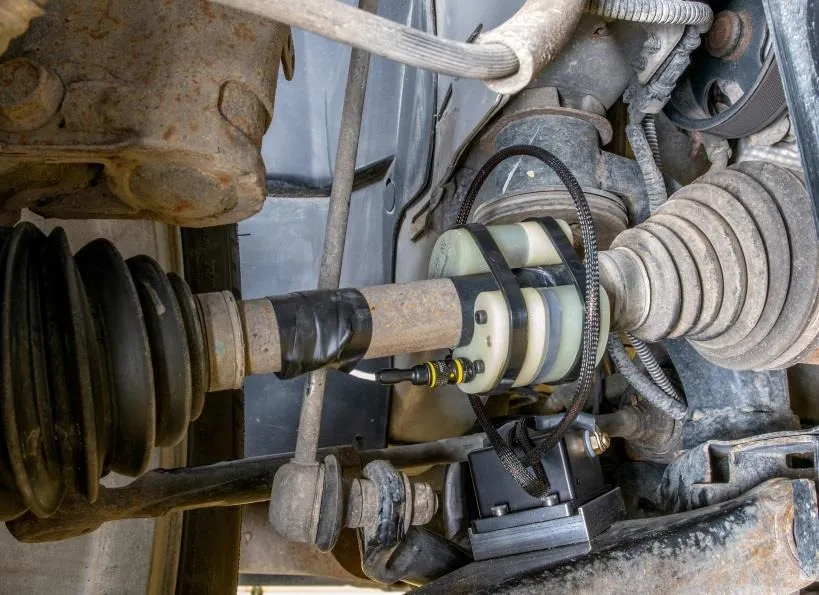 Powertrain Axle and half-shaft torque Drive torque measured on the production shaft, with a slip ring or telemetry to bring the signal out. Discover
 -
 Powertrain Truck solid axle torque Drive torque on a truck solid axle, read by strain gages inside the shaft and brought out at the wheel. Discover
 -
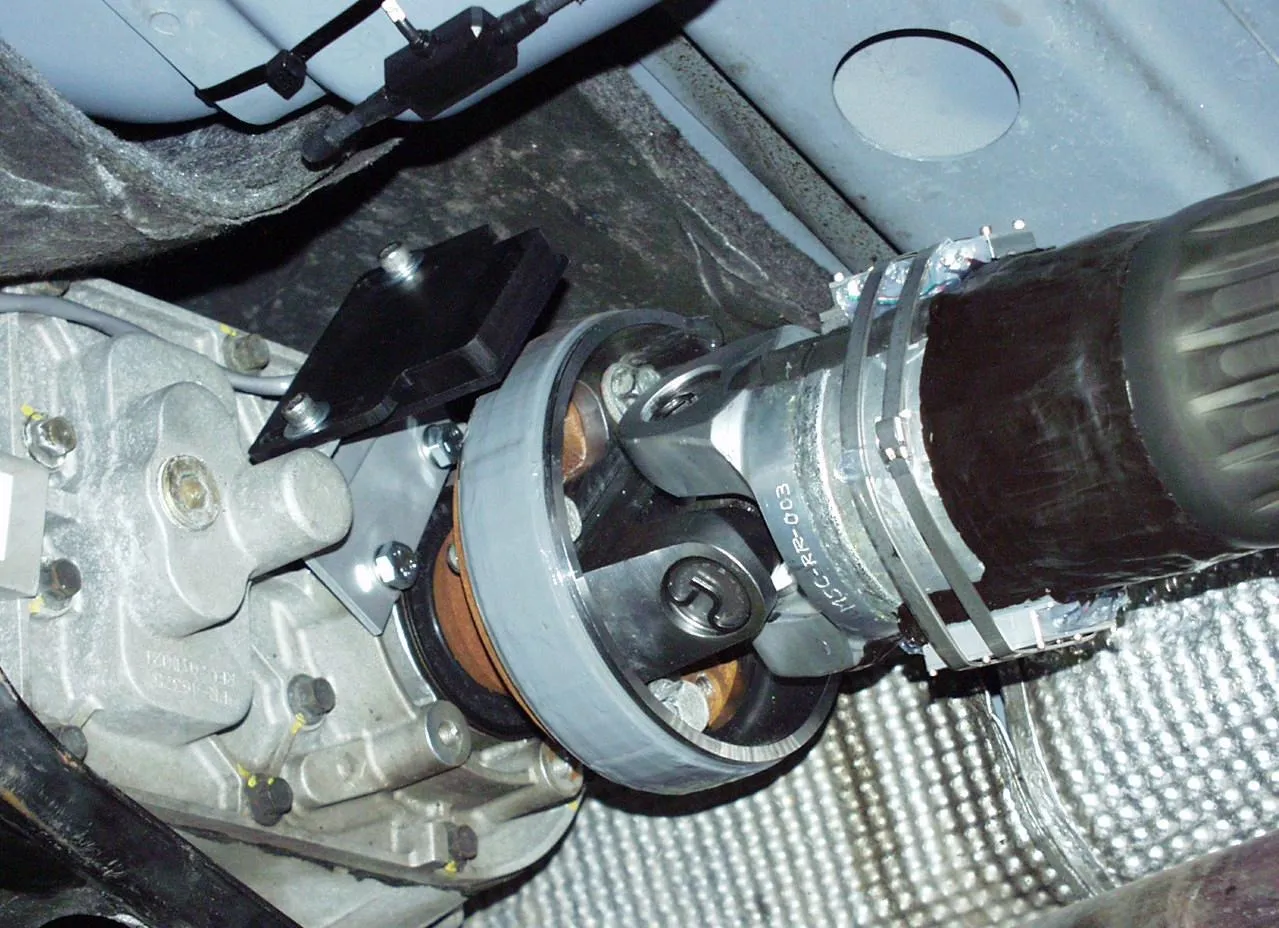 Powertrain Drive shaft measurements Torque, strain and temperature from a drive shaft with no free end, through a slip ring that slides over the shaft. Discover
 -
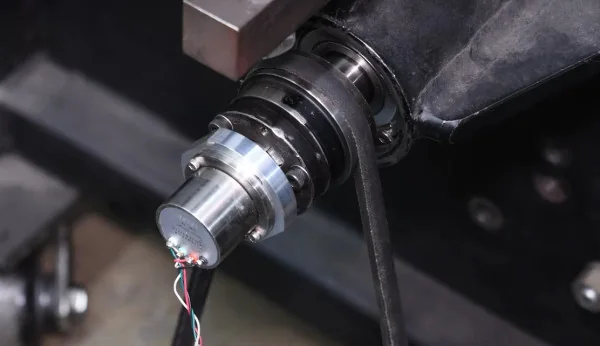 Powertrain Accessory belt pulley torque Torque on an accessory drive pulley, from strain gages on the pulley and a slip ring on the shaft end. Discover
 -
 Electric EV powertrain torque Torque at each stage of the electric drivetrain, from gearbox shafts to the wheel, to see where power is lost. Discover
 -
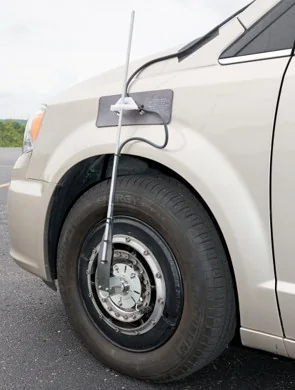 Electric In-wheel motor torque Drive and brake torque of each in-wheel motor, measured between the tire and the hub. Discover
 -
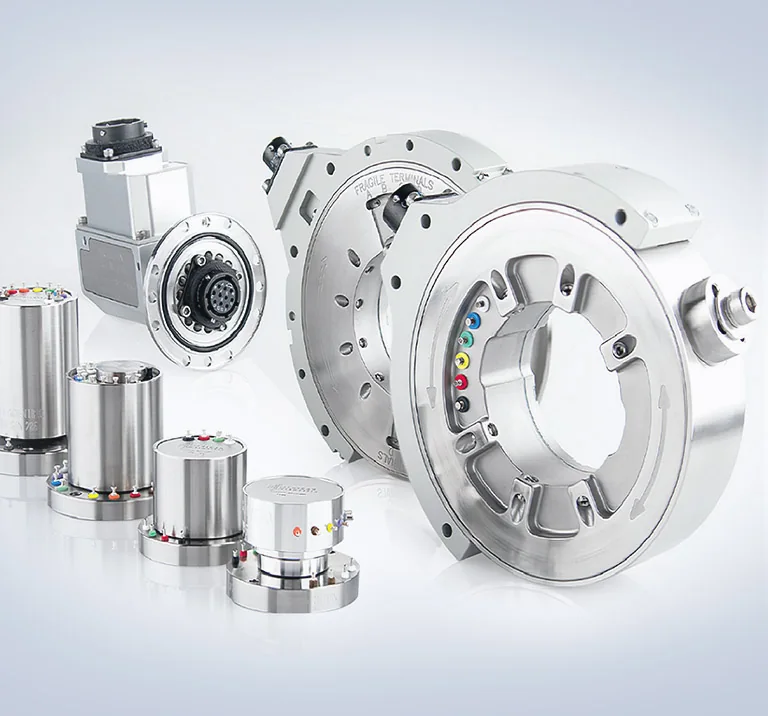 Electric Temperature in electric vehicles Temperatures on the rotating parts of an electric motor, brought out by a slip ring with amplifiers in its rotor. Discover
 -
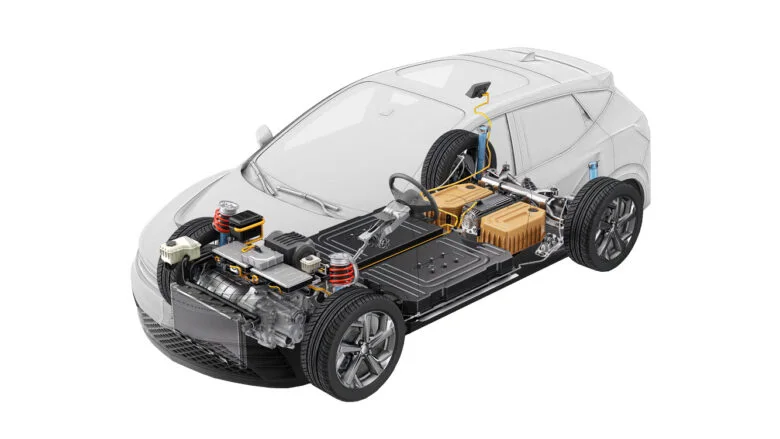 Electric Battery thermal management Battery and motor temperatures on the vehicle, to keep the pack in its range and find the energy lost as heat. Discover
 -
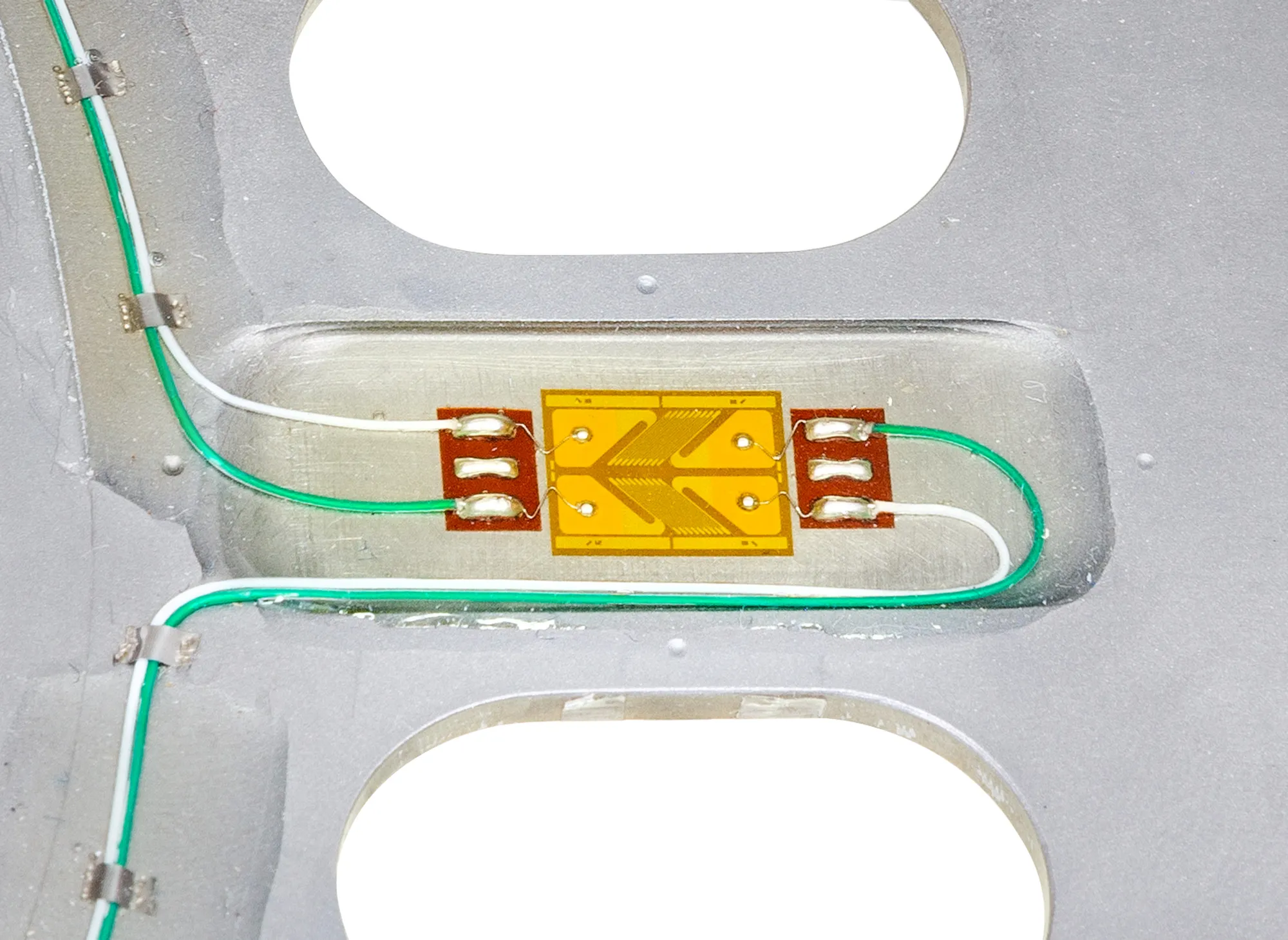 Engine Crankshaft measurements Torque, bending and strain on your own crankshaft with the engine running, in the vehicle or on the dyno. Discover
 -
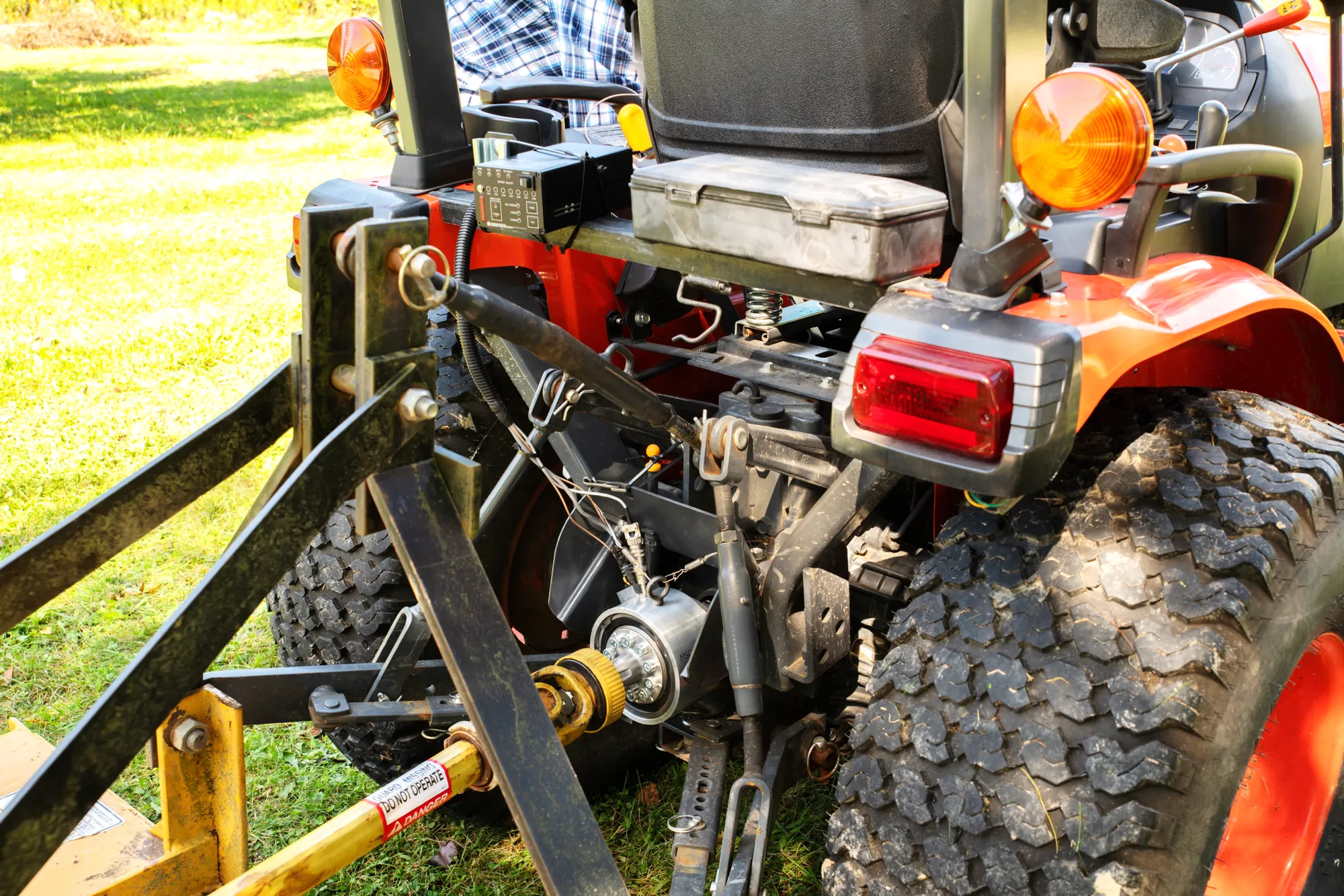 Agriculture PTO torque and power The torque and speed that the tractor delivers to the implement, measured during real field work. Discover
 - Agriculture Combine harvester gearbox Torque, speed and temperature on the pulleys, gears and gearboxes of a combine, to find power losses. Discover
-
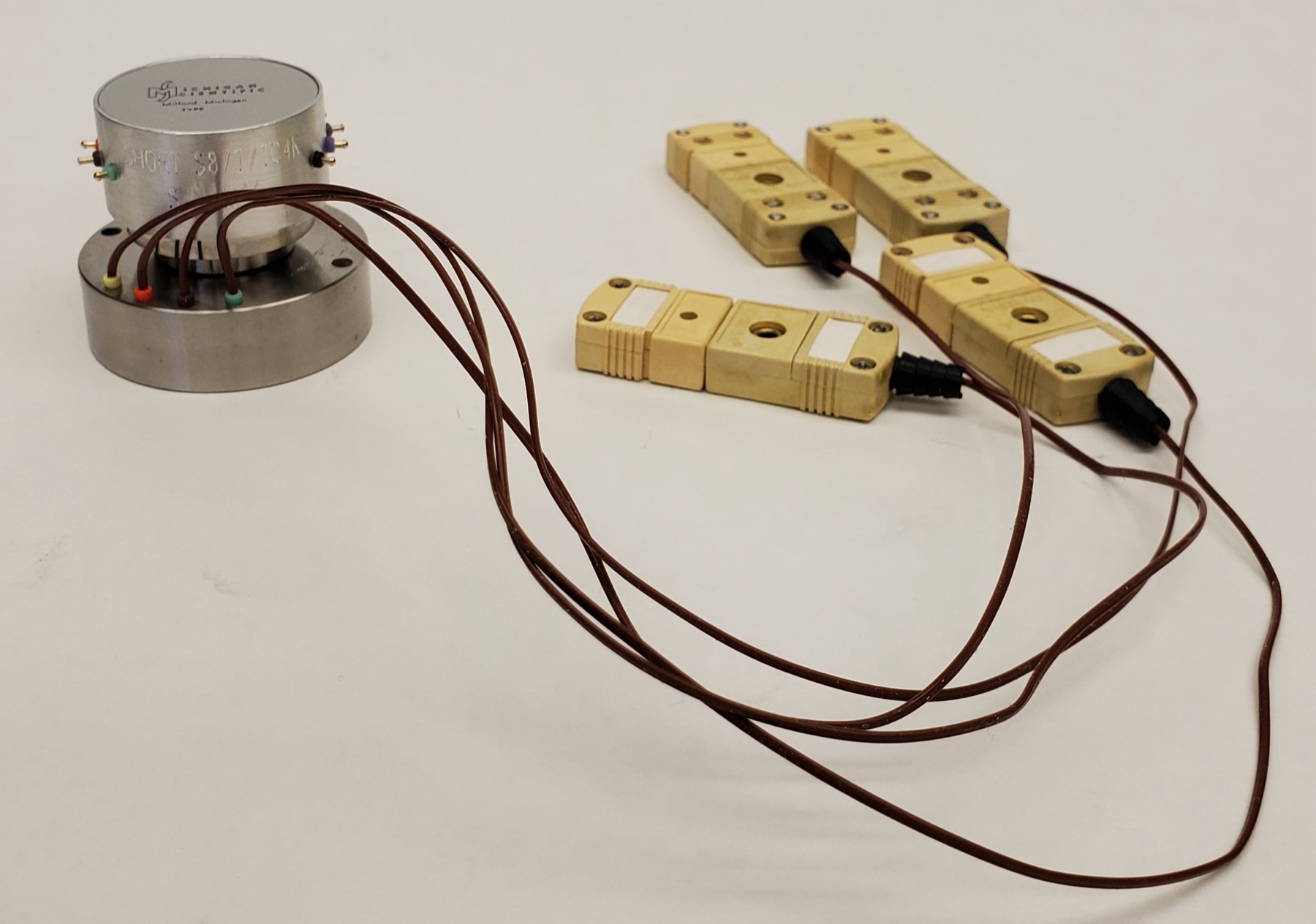 Test rig Measurements in limited space Strain or temperature off a rotating part where there is no room for a slip ring and a separate amplifier. Discover
In short
Powertrain testing, in short
What is measured in a powertrain test?
A powertrain test measures the torque at each stage of the driveline, from the crankshaft to the wheel, with the rotational speed, and the temperature of the rotating parts.
Torque and speed together give the power going in and out of each stage. The production part is usually fitted with strain gages and becomes the transducer.
Slip ring or telemetry to bring the signal off the shaft?
A slip ring carries the signal through sliding contacts and can include an amplifier or an encoder. Telemetry has no contact and needs the least room on the shaft.
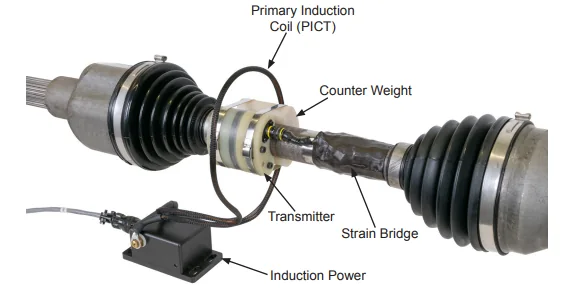
Battery telemetry suits short tests. The CBT transmitter runs 48 h on its battery. An induction hoop powers the transmitter without contact for long tests, and keeps doing so while the shaft moves through the suspension travel.
On an exposed shaft, an amplifier on the rotating side of the slip ring reduces the errors from lead wires, connector resistance, electromagnetic interference and temperature gradients.
How are driveline losses located between the engine and the wheel?
Torque and rotational speed are measured at the engine output, at the transmission output, at the axle and at the wheel. Comparing the power going into and out of a stage gives its efficiency.
The flexplate, the driveshaft and the axle shafts are gaged for this. At the wheel, a high-resolution wheel torque transducer measures the small drag torques of the chassis in normal driving. The TW12.8HRMS175, for cars and SUVs, resolves 0.14 N·m.
On an electric drivetrain, comparing the torque into the axle with the torque measured at the wheel gives the efficiency of what lies between them.
The instruments behind these applications
The products these applications cite most. Each one can be rented or bought on its own.
-
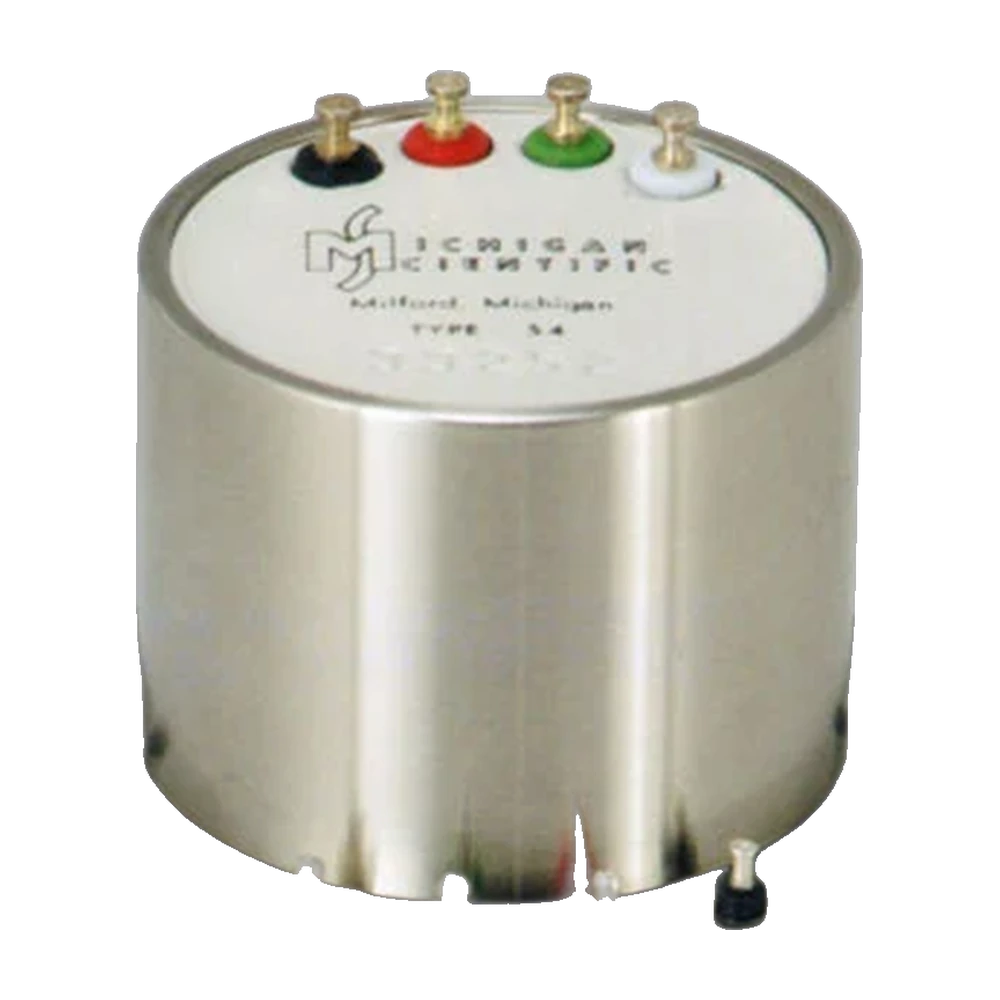 Product · 6 applications S-Series End-of-shaft slip ring, 4 to 10 circuits. Discover
 -
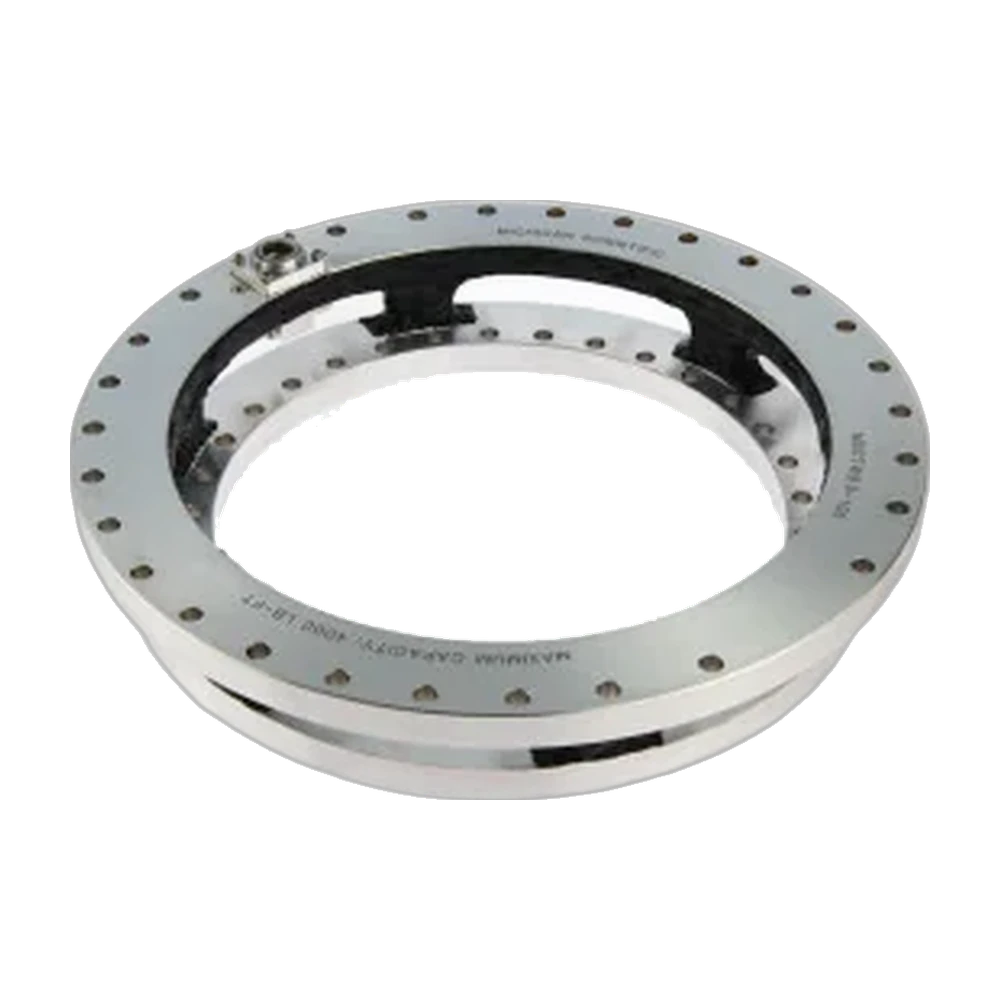 Product · 5 applications TW series High-resolution wheel torque, cars and SUVs. Discover
 -
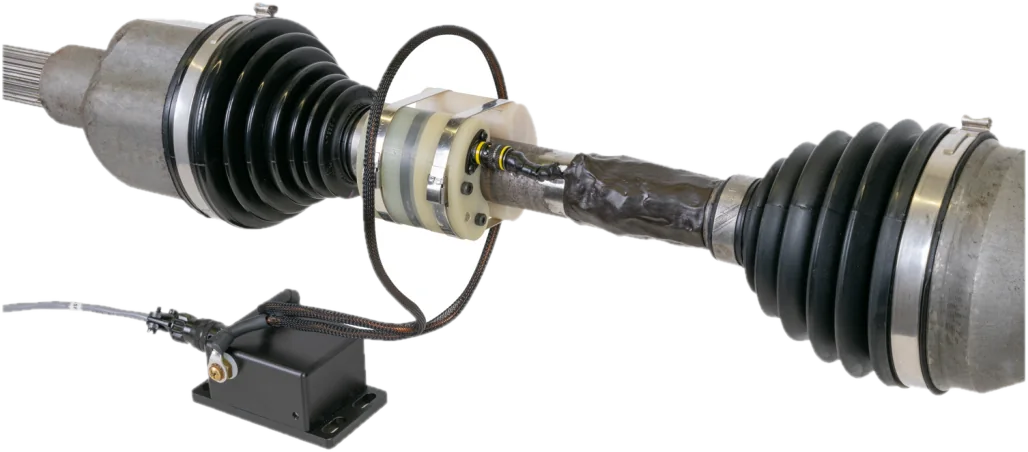 Product family · 5 applications Wireless telemetry The same job without contact, with induction or battery power. Discover
 -
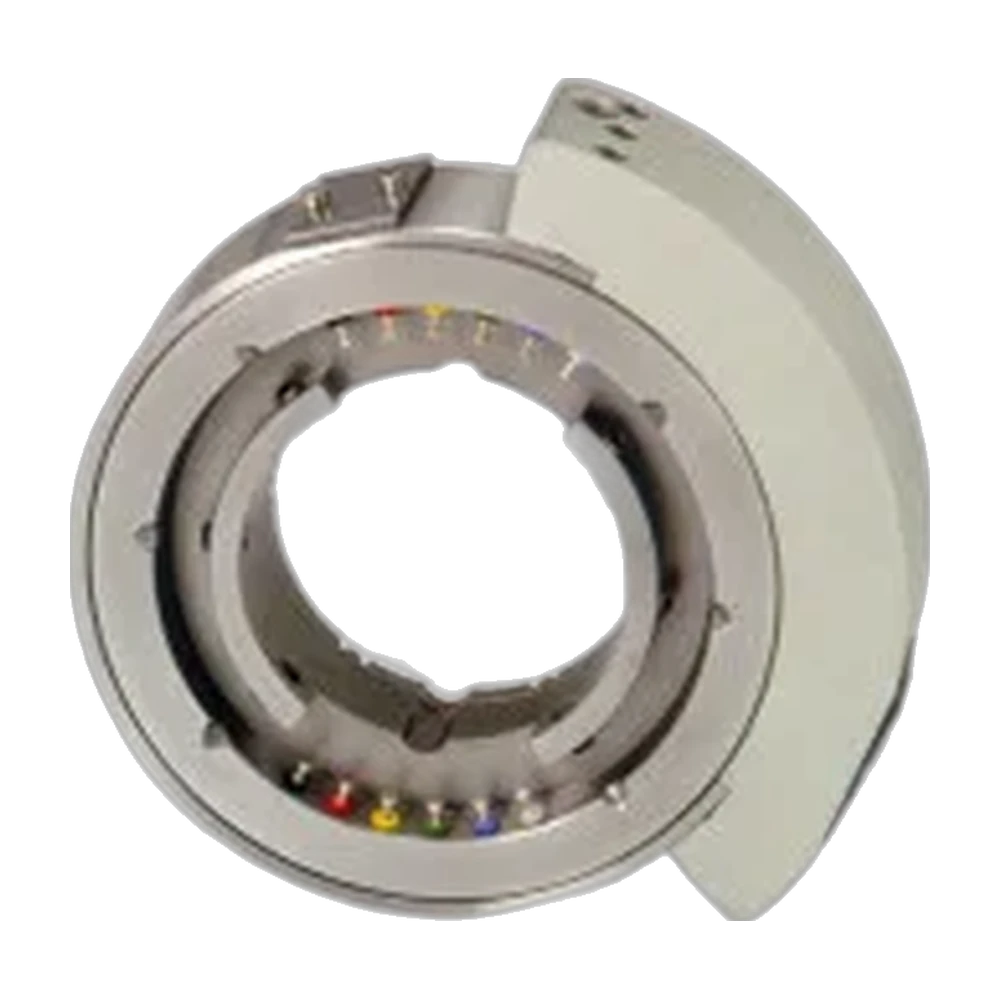 Product · 4 applications B-Series Tubular slip ring that slides over the half-shaft. Discover
Powertrain and transmission, frequent questions
Can axle torque be measured on a truck with solid axles?
Yes. A hole is drilled through the center of the axle shaft and the strain gages are applied inside the bore. The wires come out at the hub to a slip ring or a telemetry wheel package.
How is torque measured on a vehicle with in-wheel motors?
With a wheel torque transducer. The wheels are coupled directly to the motors, so there is no propshaft or drive axle to gage.
Can crankshaft torque be measured with the engine in the vehicle?
Yes. The production crankshaft is strain gaged and a slip ring or a telemetry system brings the signals out of the engine, in the vehicle or on a dynamometer. A slip ring and amplifier package is commonly mounted on the engine damper.
A test close to yours?
Tell us the vehicle, the quantity and the conditions. An engineer answers with a first measurement setup.
More details to give? Use the full contact form.