

Type of test
Test rigs and dynos
Rotating signals in cells full of EMI and high voltage.
On a rig, the measurement has to cross rotation, electromagnetic fields and high voltage, and still arrive clean at the acquisition system.
fiber-optic · telemetry · slip rings
Which signal do you need to bring out of the cell?
Rotating signals through EMI and high voltage. Each application shows the link, fiber-optic, telemetry or slip ring, and what it carries.
-
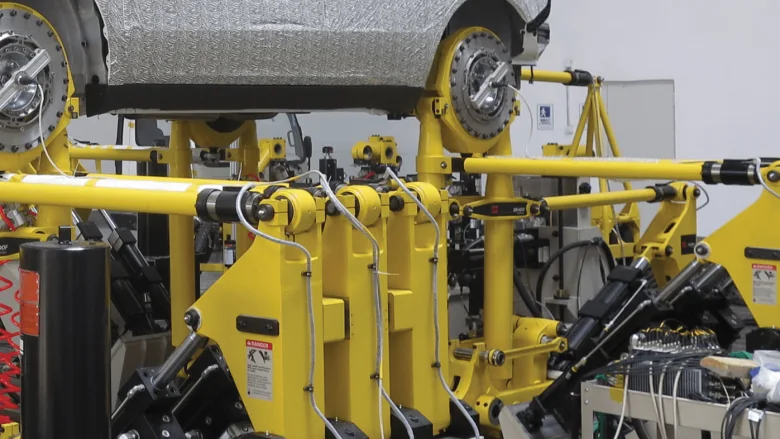 Test rig Road simulators The loads measured at the wheel on the road, and the proof that the simulator reproduces them. Discover
 -
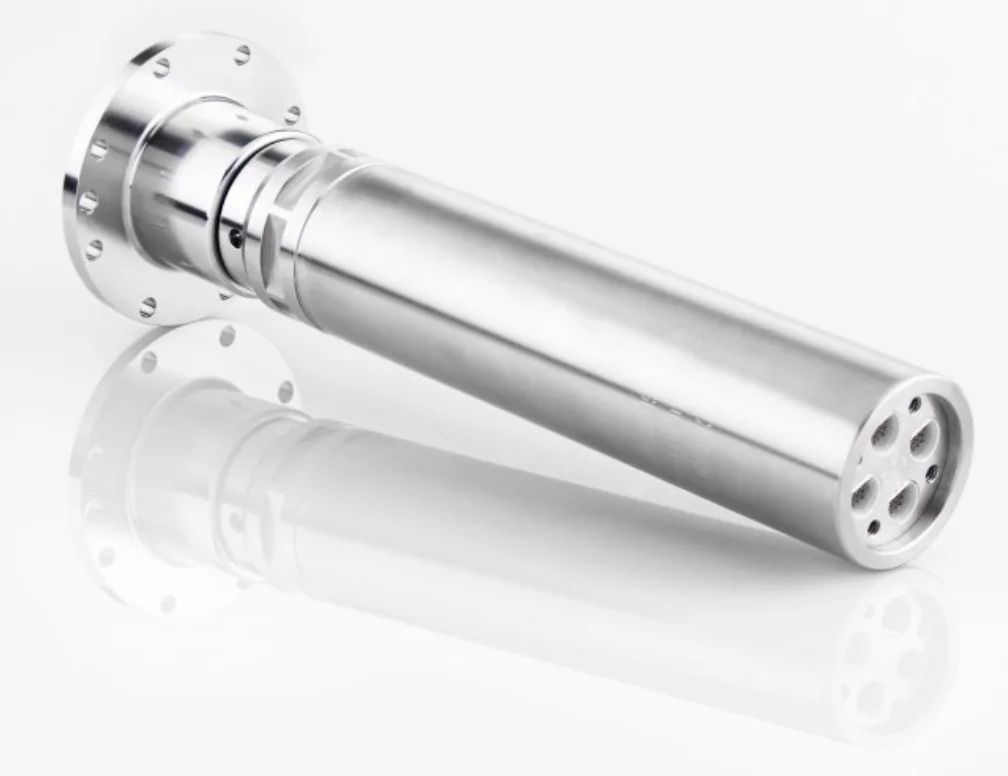 Turbines Fan and turbine blades Strain and temperature from many points on the blades, recorded together while the rotor turns. Discover
 - Turbines Wind turbine strain Strain on the blades and in the gearbox of a wind turbine, brought off the rotor by a slip ring. Discover
-
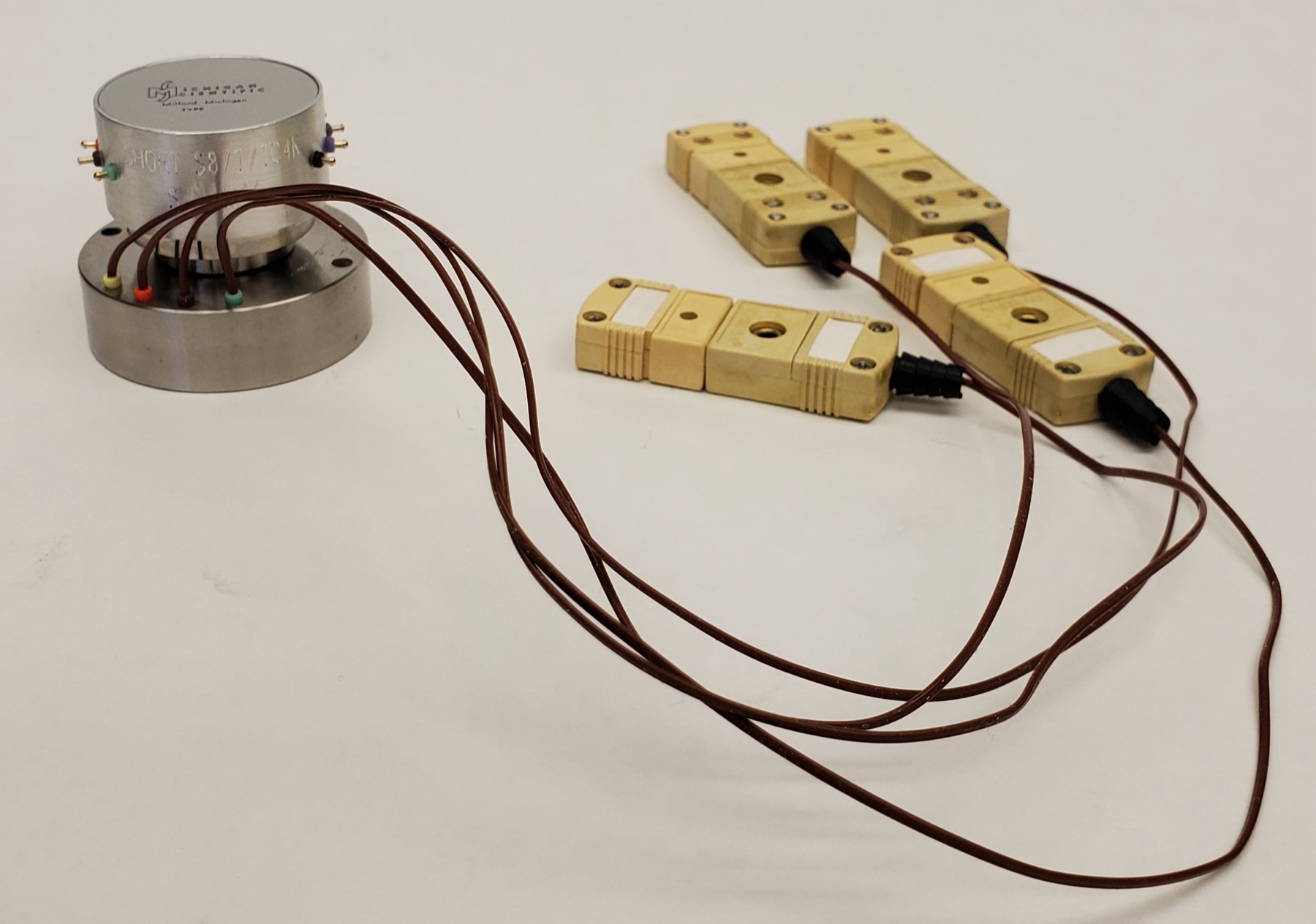
 Rig Force and moment load platform Net forces and net moments on a system, calculated from four three-axis load cells. Discover
 -
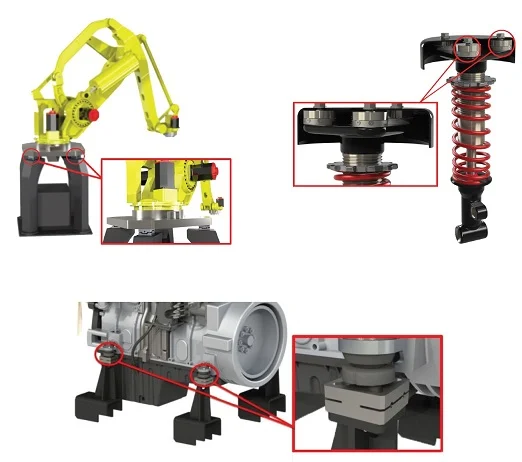
 Test rig Measurements in limited space Strain or temperature off a rotating part where there is no room for a slip ring and a separate amplifier. Discover
 -
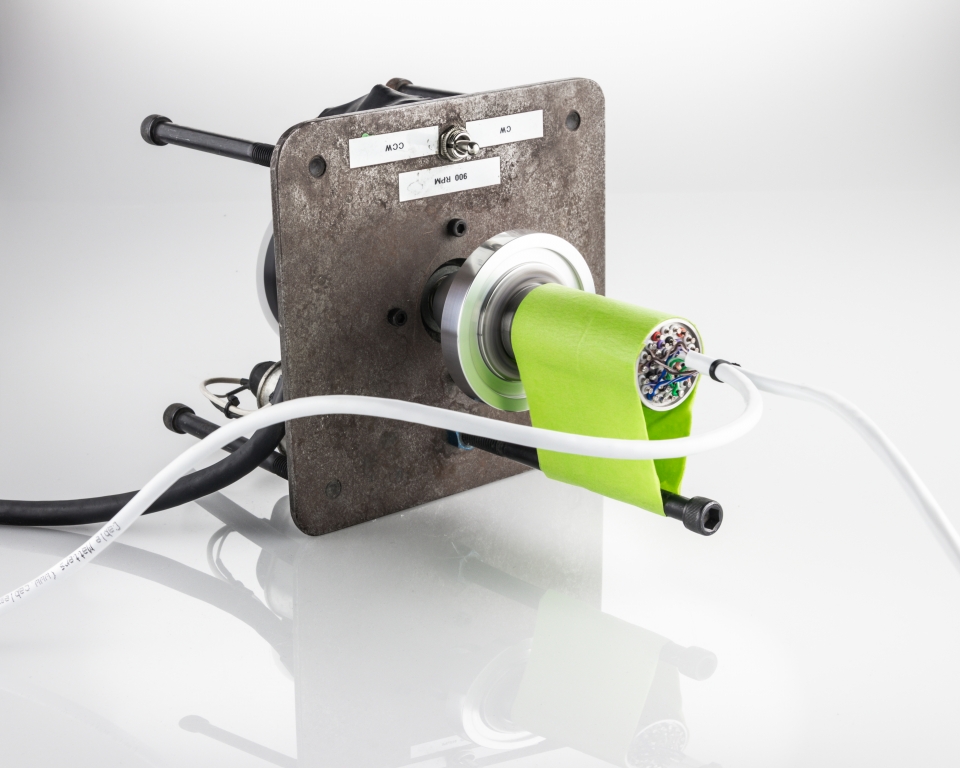 Test rig Gigabit Ethernet through a slip ring A Gigabit Ethernet link passed through a spinning slip ring, validated by a file transfer with no error. Discover
 -
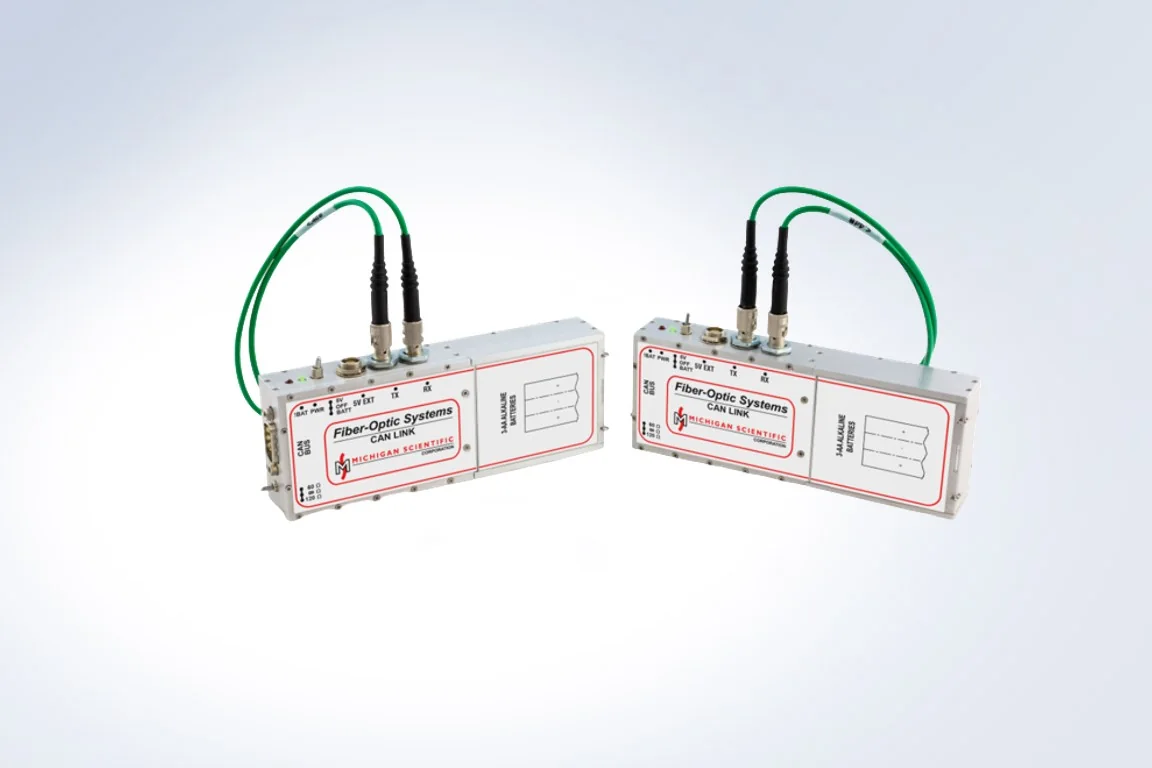 EMC EMC and BCI testing The signals of the equipment under test, carried over fiber so the field does not corrupt them. Discover
In short
Test rigs and dynos, in short
What is measured on a test rig or a dyno?
On a rig, the measurements are the loads at the wheel or at the base of the system, the strain and temperature of rotating parts, and the signals of the equipment under test in an electromagnetic field.
Each one needs a way to bring the signal out, through rotation or through the field.
How are many strain and temperature channels taken off a rotor?
A slip ring with 45 or 60 circuits mounts on the end of the rotating shaft and carries the strain gage and thermocouple signals to a stationary recorder. The SR45A-AXHS and SR60A-AXHS are rated for 4 000 rpm.
Telemetry on the rotating part does the same without contact, powered by battery or by induction, with amplifiers next to the sensors. The Model T8 has eight thermocouple or strain gage channels.
The instruments behind these applications
The products these applications cite most. Each one can be rented or bought on its own.
-
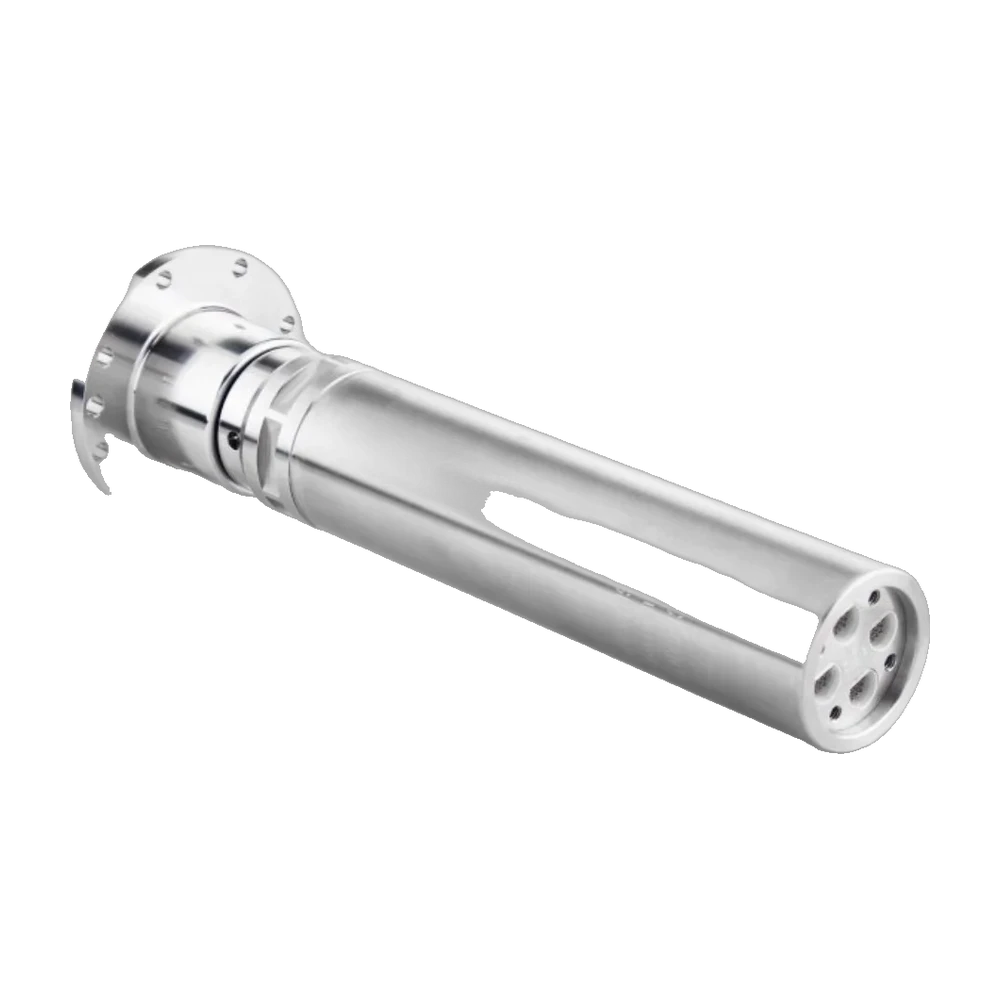 Product · 2 applications SR45A-AXHS and SR60A-AXHS End-of-shaft slip ring, 45 or 60 circuits. Discover
 -
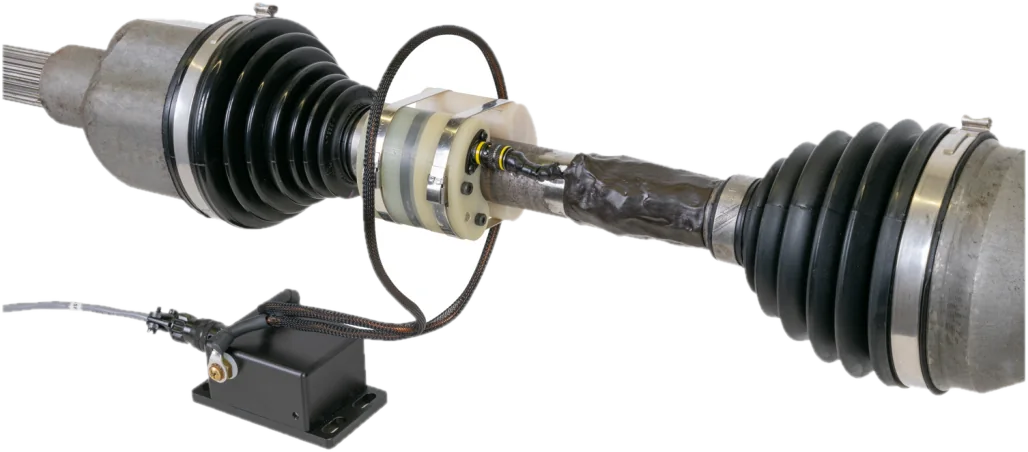 Product family · 2 applications Wireless telemetry Contactless transmission, battery or induction power. Discover
 -
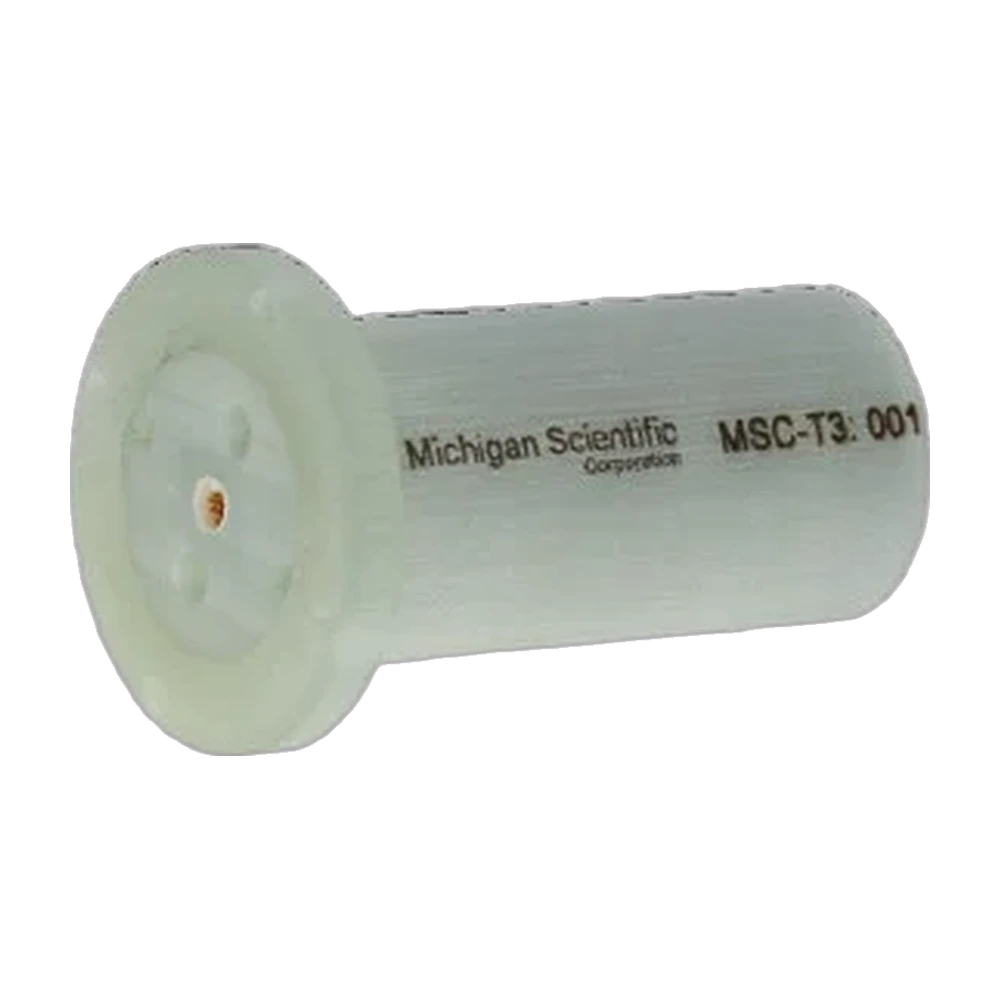 Product · 2 applications Model T8 Eight channels off a shaft end, induction powered. Discover
 -
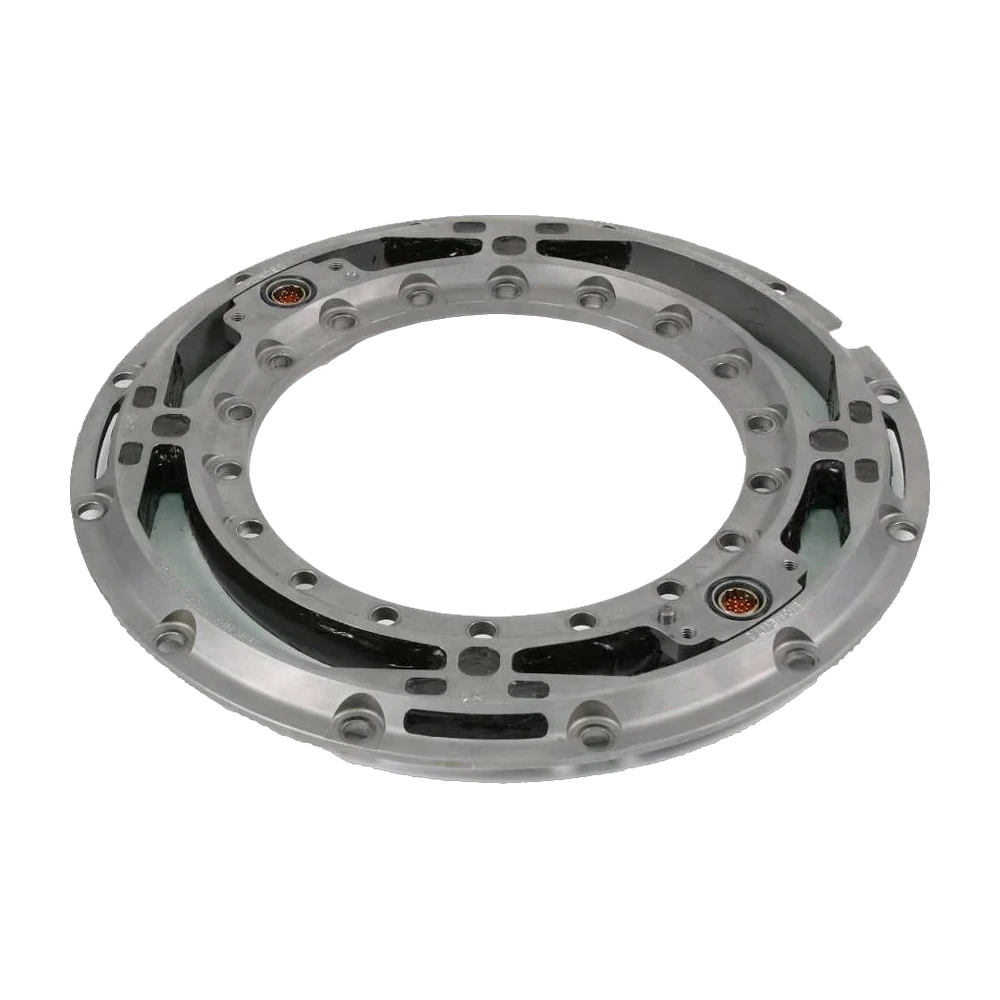 Product · 1 application LW series Three forces and three moments, on the road and on the rig. Discover
Test rigs and dynos, frequent questions
Can a slip ring carry Gigabit Ethernet to a rotating part?
Yes. In a validation test, an SR36M slip ring spun at 900 rpm passed a file at 111 MB/s with no signal drop-out and no error.
What is the force capacity of the LP-3030 load platform?
15 kN, 45 kN or 75 kN, depending on the capacity of the four TR3D-A load cells fitted.
Is telemetry or a slip ring better for long dynamometer runs?
Telemetry suits long runs on gaged axles. Its digital wireless link has no contact, so it does not wear.
A test close to yours?
Tell us the vehicle, the quantity and the conditions. An engineer answers with a first measurement setup.
More details to give? Use the full contact form.