
Multi-axis load cells
Force in three directions at once, on a mount, a seat, a pedal or at the tire patch.
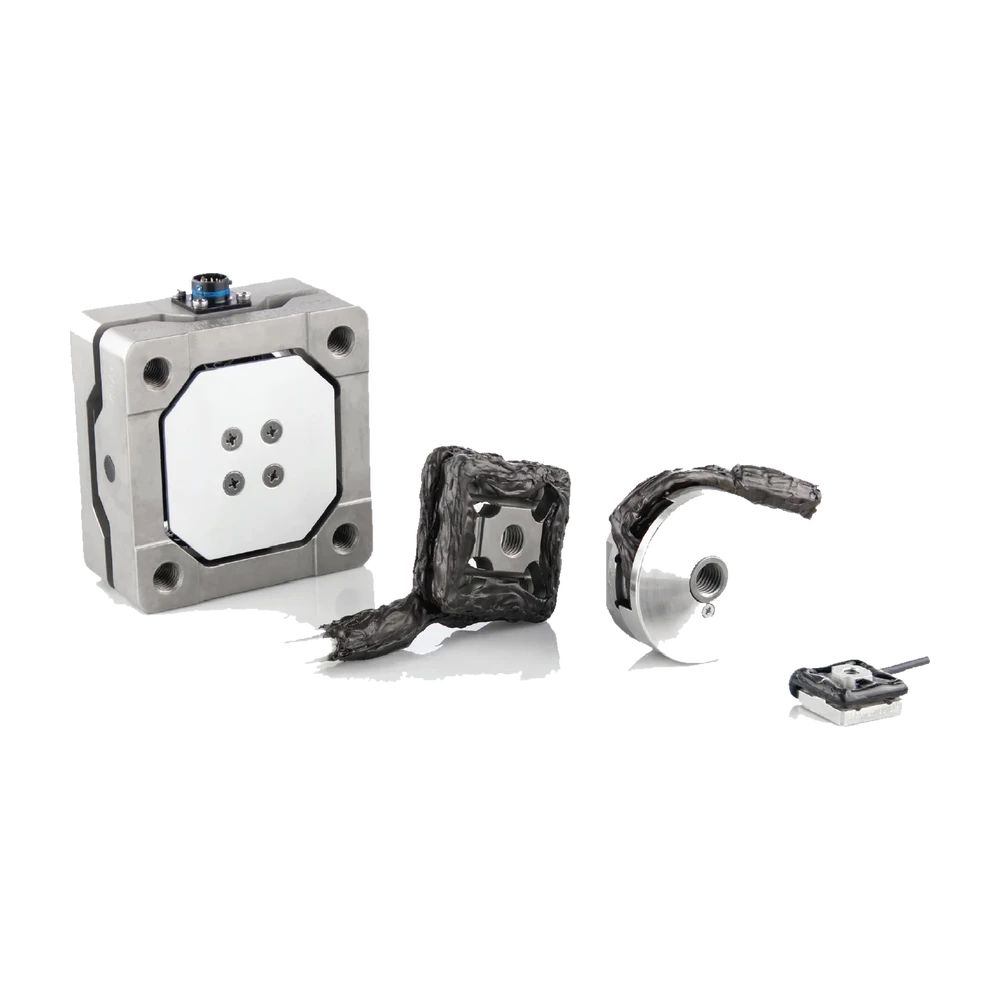
Three-axis TR3D and CT500 load cells, five-axis TR5D and six-axis TR6D load cells, and BPFT pedal force transducers.
- 1.1 to 444 kN
- three-axis capacities, TR3D family
- 3 or 6
- axes in one body
- 2200 N
- brake pedal force transducers
Three forces at once, where the load passes.
A multi-axis load cell is a single part placed in the load path. It reads the force in each direction at the same time, without an assembly of single-axis sensors.
The TR3D family measures three orthogonal forces from 1.1 to 444 kN per axis. It is used on engine and transmission mounts, seats, trailer hitches, motorcycle axles and suspensions, at the tire patch, and for force feedback on test stands. Four three-axis load cells under a platform give its three net forces and three net moments by calculation.
Five-axis load cells add two bending moments in the same body, six-axis load cells all three. Pedal force transducers mount on the series pedal and read the same force wherever the foot presses.
- Compact From 25.4 × 25.4 × 12.7 mm. Fits into an existing part after modification, or between purpose-made flanges.
- One signal per axis One temperature-compensated strain gage bridge per direction, each with its own output.
- Ready to connect A shielded cable, 3.05 m on most models, and a calibration certificate come with each load cell. An amplifier box is an option.
- Sealed for the field Stainless steel or aluminum body, weatherproof sealing and temperature compensation on the TR3D family.
- Custom when needed One to six axes, 250 N to 667 kN and 100 N·m to 203 kN·m, in any quantity.
Find your model
Pick a series, then set your criteria: the list keeps only the models that fit, closest first.
1Choose a series
| Model | Range per axis (kN) | Max moment per axis (N·m) | Actions |
|---|---|---|---|
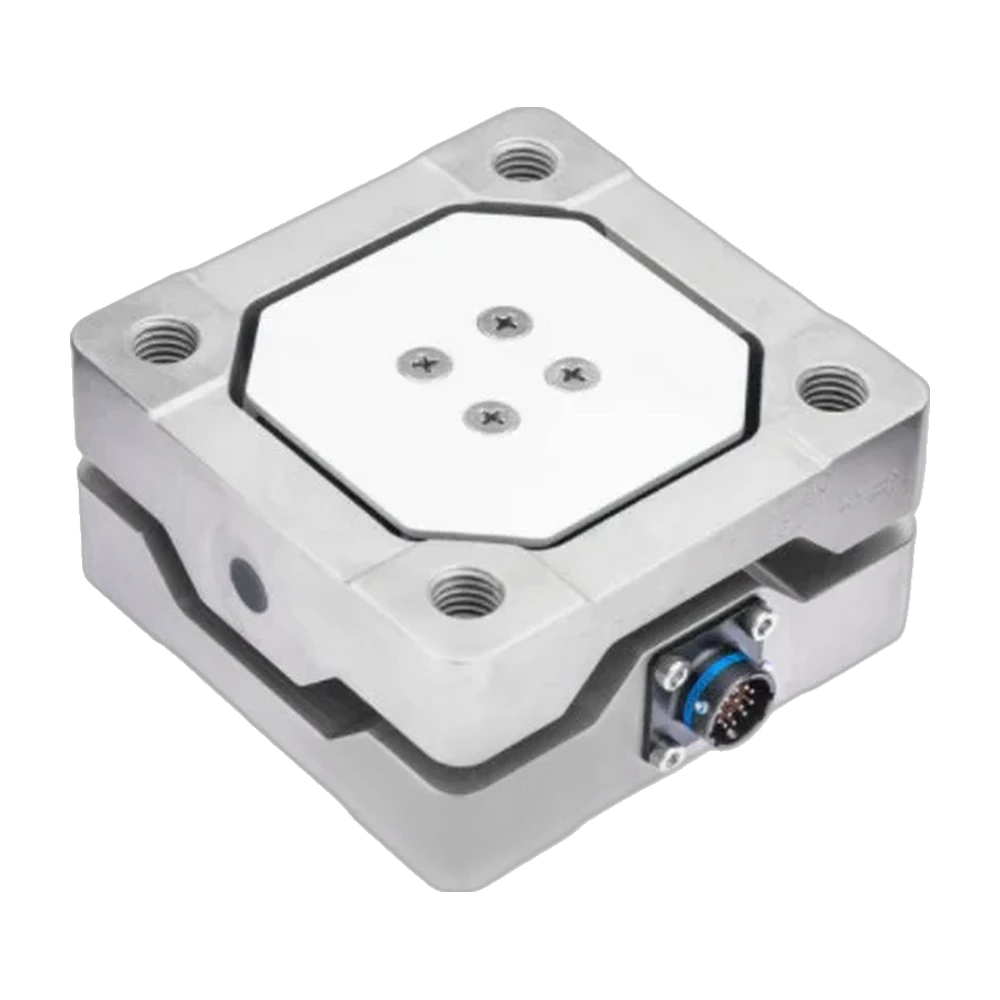
| TR3D Three perpendicular forces from one body, 1.1 to 444 kN per axis. | |||
| TR3D-B | Fx 1.1 · Fy 1.1 · Fz 1.1 to Fx 71 · Fy 71 · Fz 71 | 16 to 1 700 | Request a quote Configure Datasheet |
| TR3D-A | Fx 4.4 · Fy 4.4 · Fz 4.4 to Fx 22 · Fy 22 · Fz 44 | 40 to 461 | Request a quote Configure Datasheet |
| TR3D-C | Fx 44 · Fy 44 · Fz 44 to Fx 177 · Fy 177 · Fz 177 | 1 200 to 9 500 | Request a quote Configure Datasheet |
| TR3D-D | Fx 222 · Fy 222 · Fz 222 to Fx 444 · Fy 444 · Fz 444 | 19 000 to 20 300 | Request a quote Configure Datasheet |
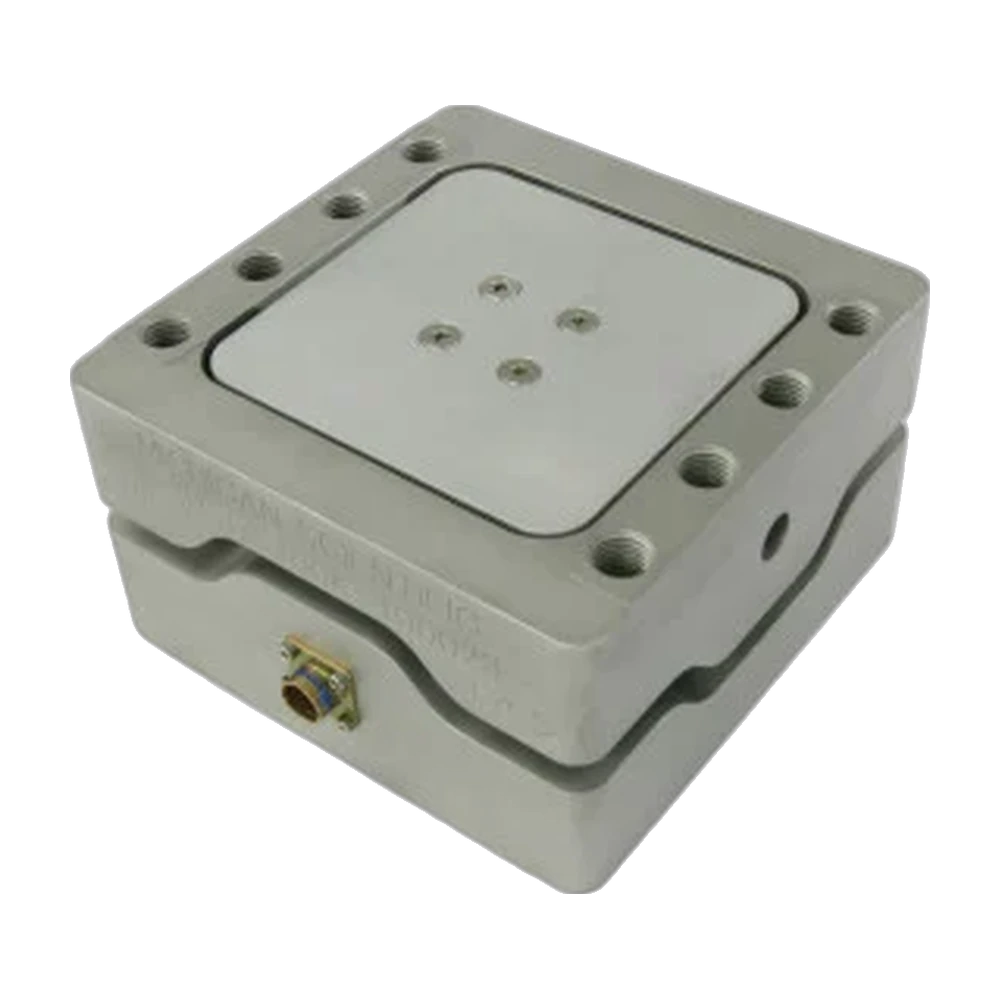
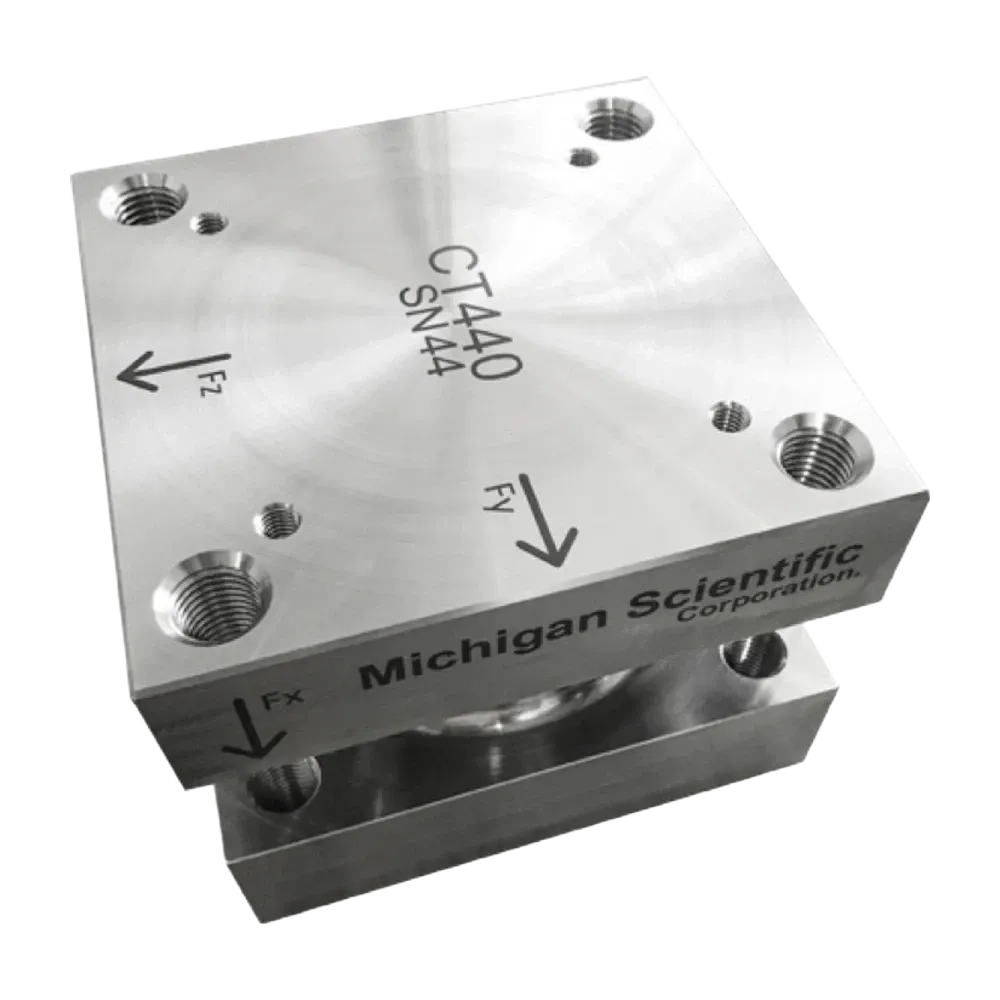
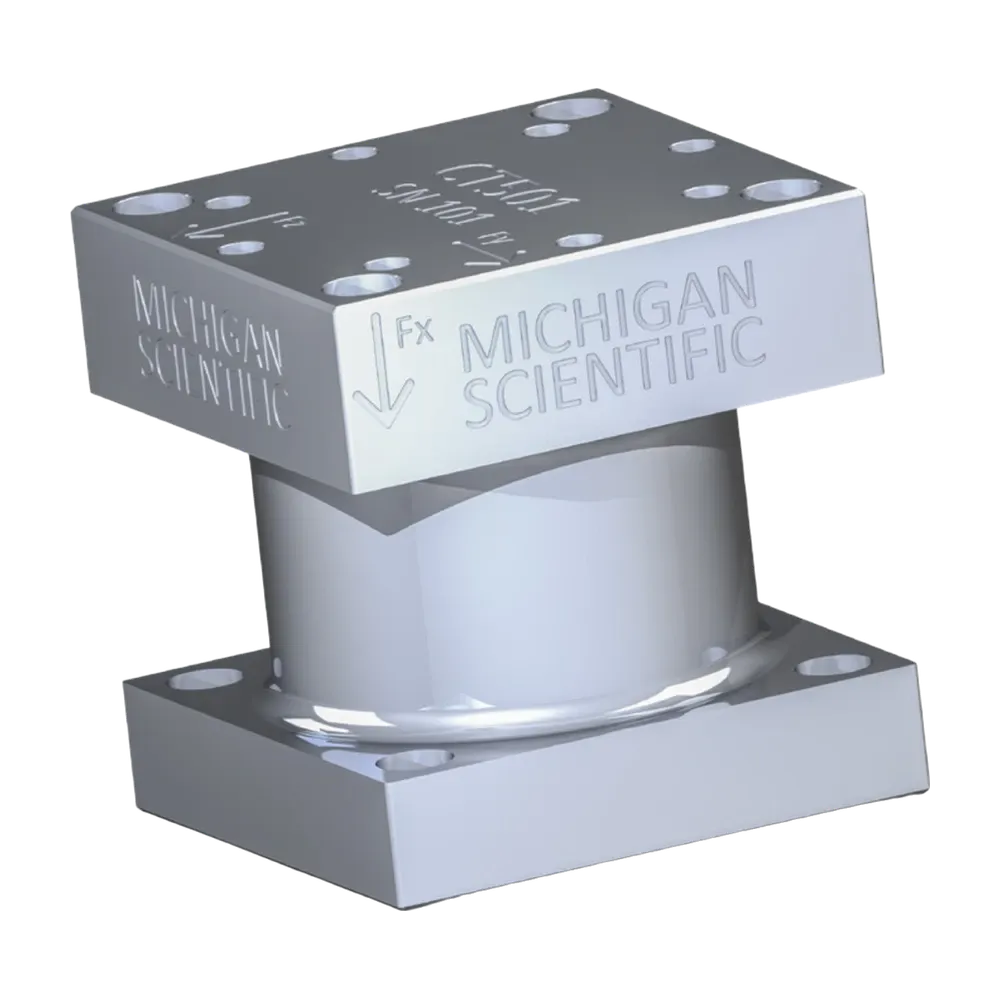
| CT Crash barrier load cells in IP66 stainless steel: three-axis CT500 and CT440, 500 or 440 kN on the impact axis, and single-axis CT501, 500 kN. | |||
| CT440 | Fx 440 · Fy 120 · Fz 120 | — | Request a quote Configure Datasheet |
| CT500 | Fx 500 · Fy 125 · Fz 125 | — | Request a quote Configure Datasheet |
| CT501 | Fx 500 | — | Request a quote Configure Datasheet |
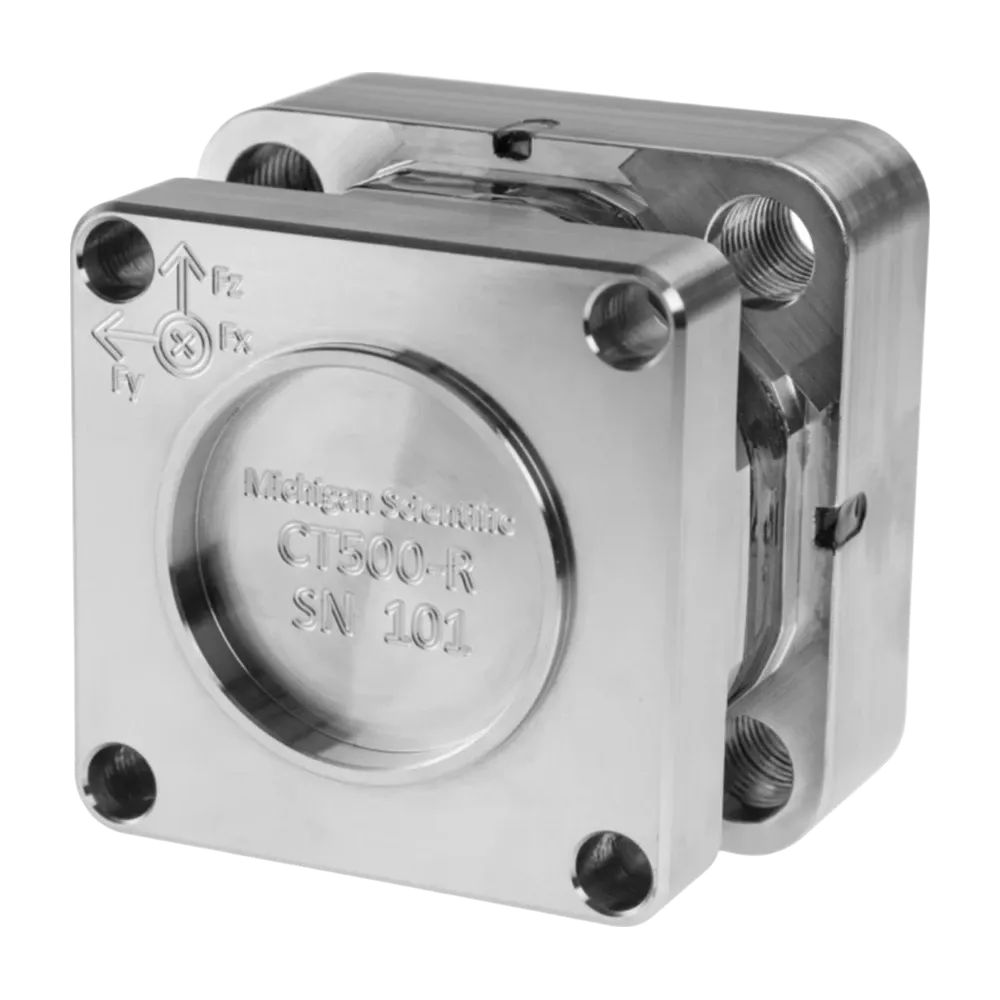
| CT500-R | Fx 500 · Fy 125 · Fz 125 | — | Request a quote Configure Datasheet |
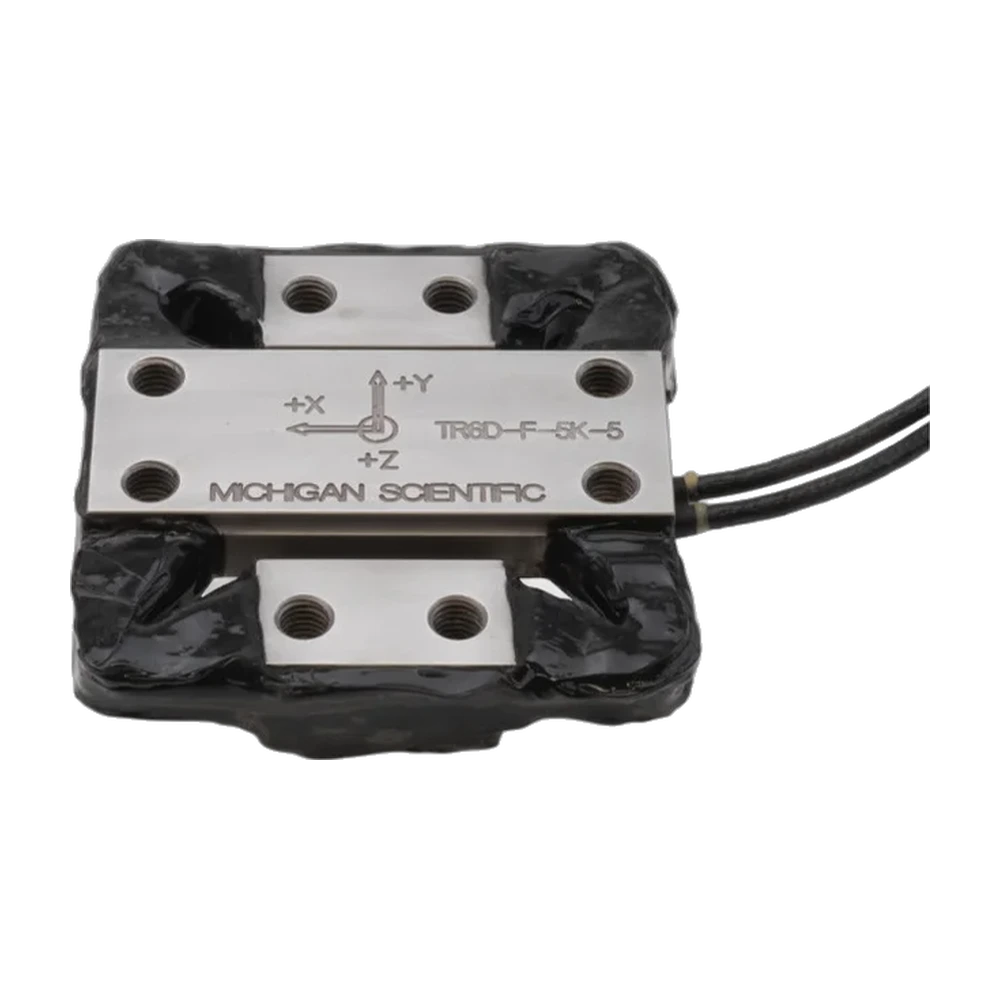
| TR6D Six-axis load cells in sealed stainless steel: low-profile TR6D-F, 12.5 to 45 kN, and square TR6D-C, 71 to 178 kN. | |||
| TR6D-F | Fx 12.5 · Fy 12.5 · Fz 12.5 to Fx 45 · Fy 45 · Fz 45 | Mx 370 · My 370 · Mz 370 to Mx 3 400 · My 3 400 · Mz 3 400 | Request a quote Configure Datasheet |
| TR6D-C | Fx 71 · Fy 71 · Fz 71 to Fx 178 · Fy 178 · Fz 178 | Mx 1 400 · My 1 400 · Mz 1 400 to Mx 9 500 · My 9 500 · Mz 9 500 | Request a quote Configure Datasheet |
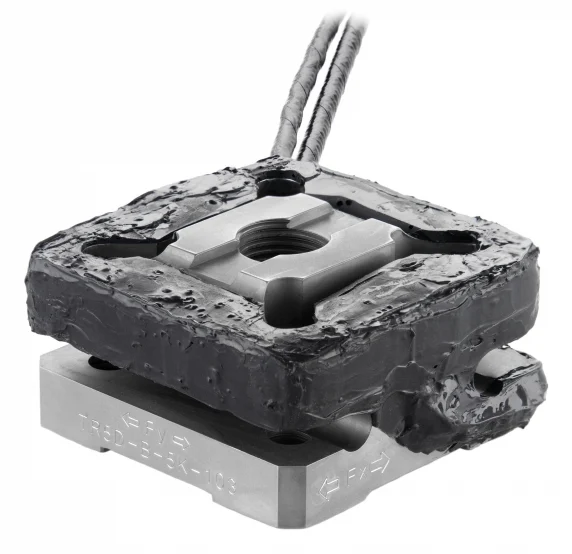
| TR5D Five-axis load cell in sealed stainless steel: Fx, Fy, Fz to 22 kN, Mx and My to 815 N·m. | |||
| TR5D-B-5K | Fx 22 · Fy 22 · Fz 22 | Mx 815 · My 815 | Request a quote Configure Datasheet |
| BPFT Pedal force transducers, 2.2 kN (500 lbf) full scale: a compact Ø 50 mm body, or a low-profile plate for standard or smaller brake pedals. | |||
| BPFT | 2.2 | — | Request a quote Configure Datasheet |
| BPFT2 | 2.2 | — | Request a quote Configure Datasheet |
| BPFT3 | 2.2 | — | Request a quote Configure Datasheet |
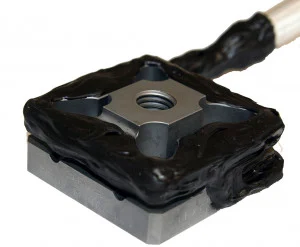
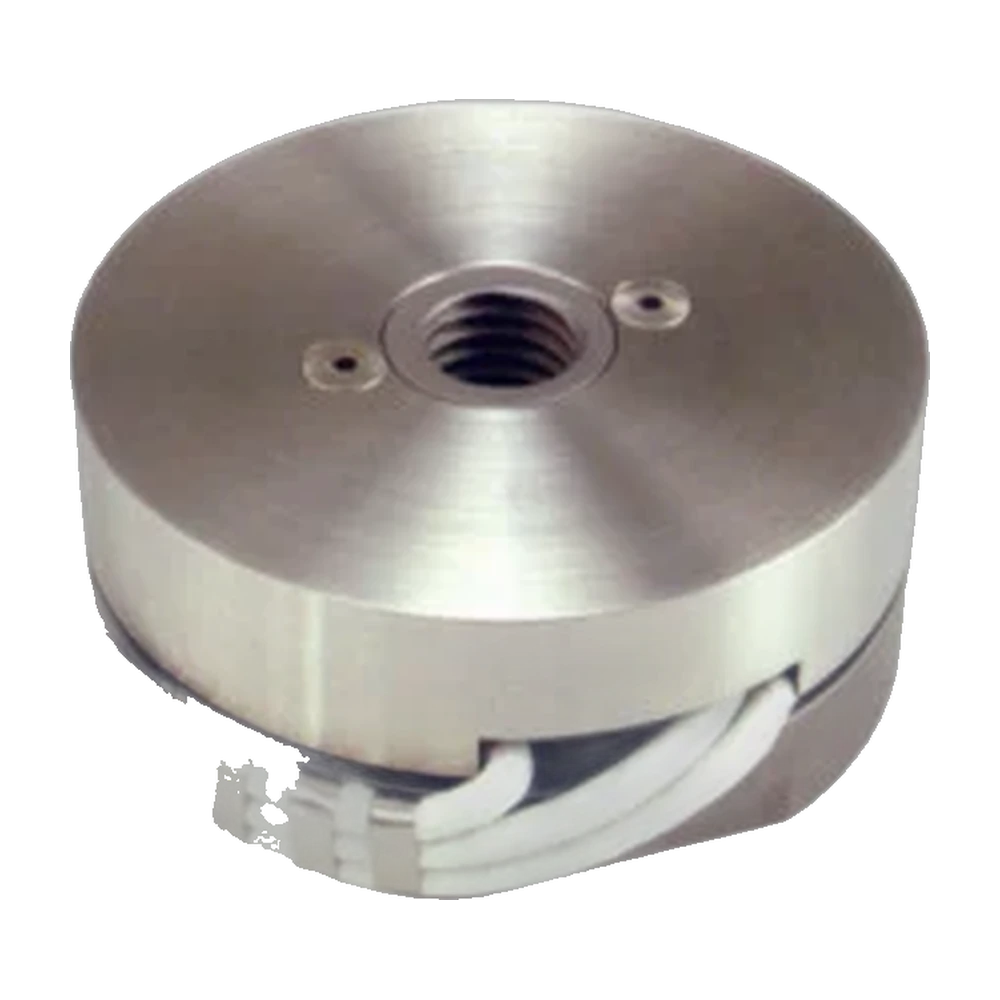
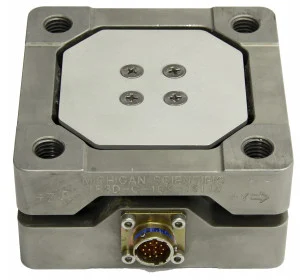
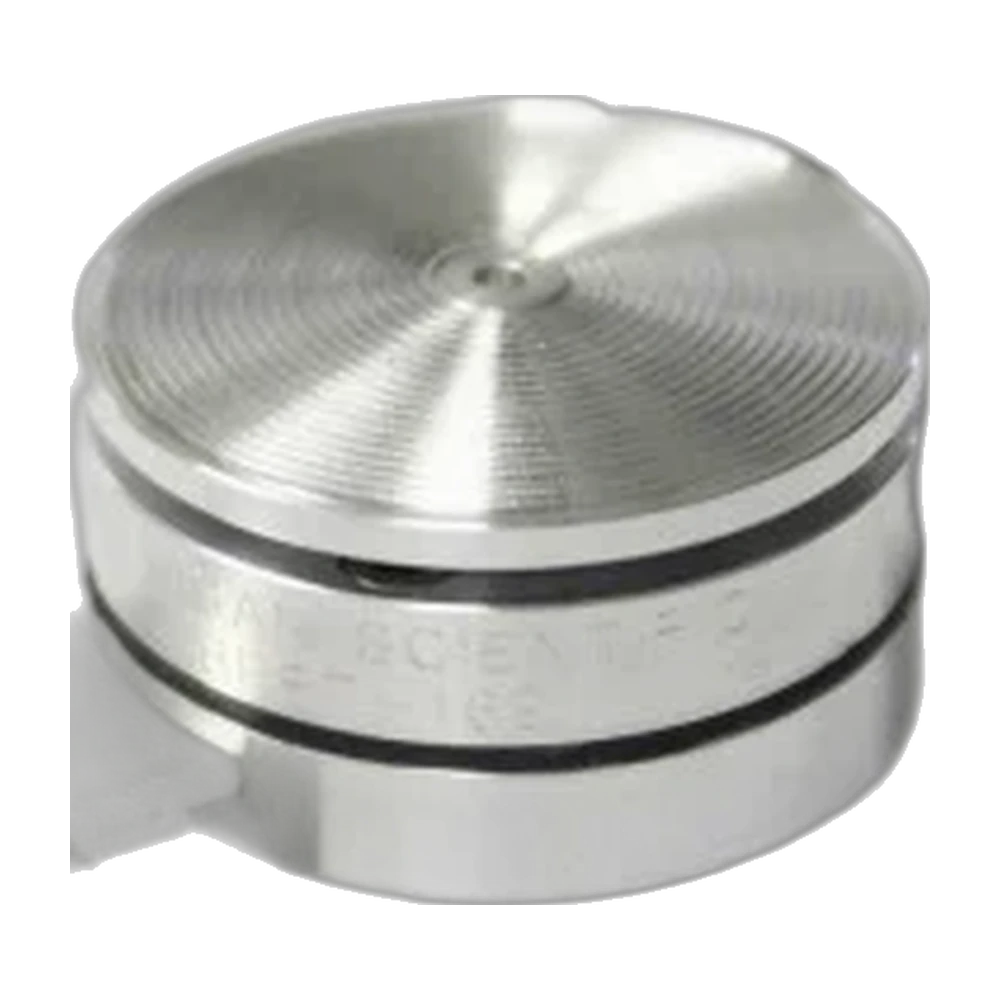
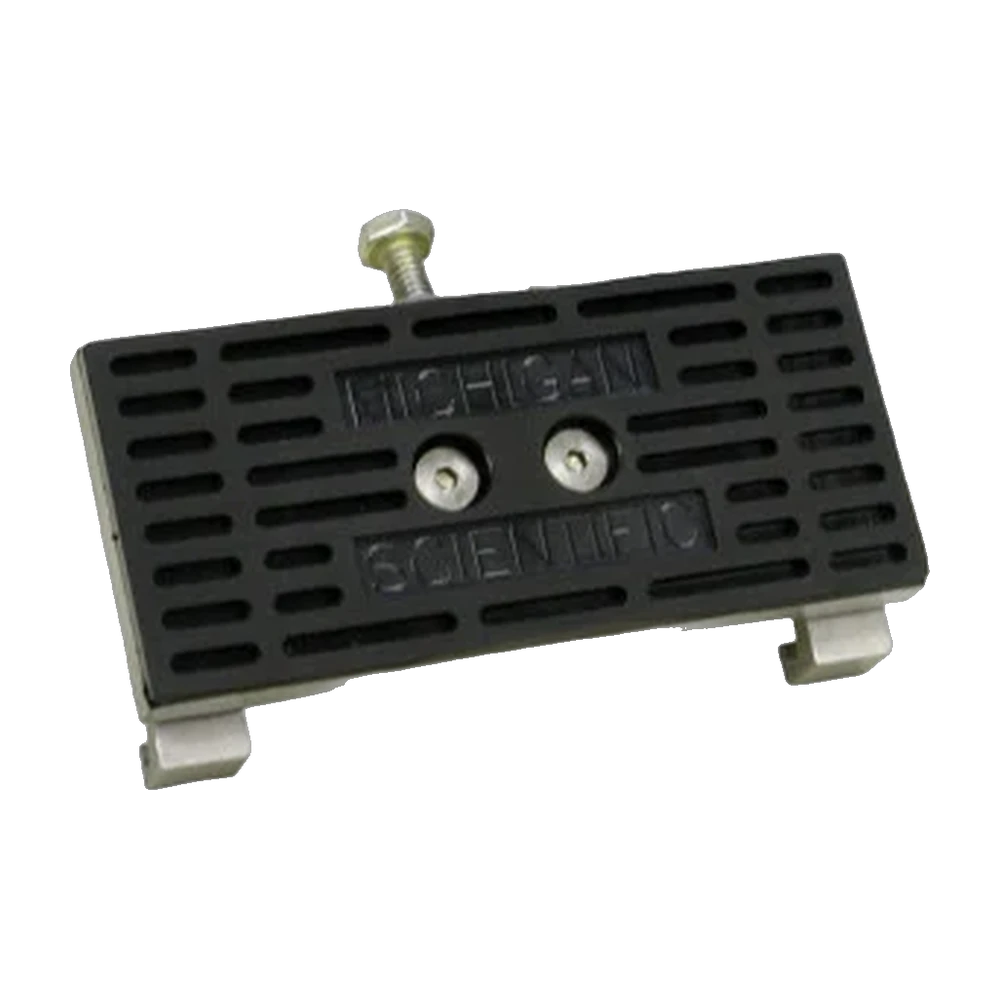
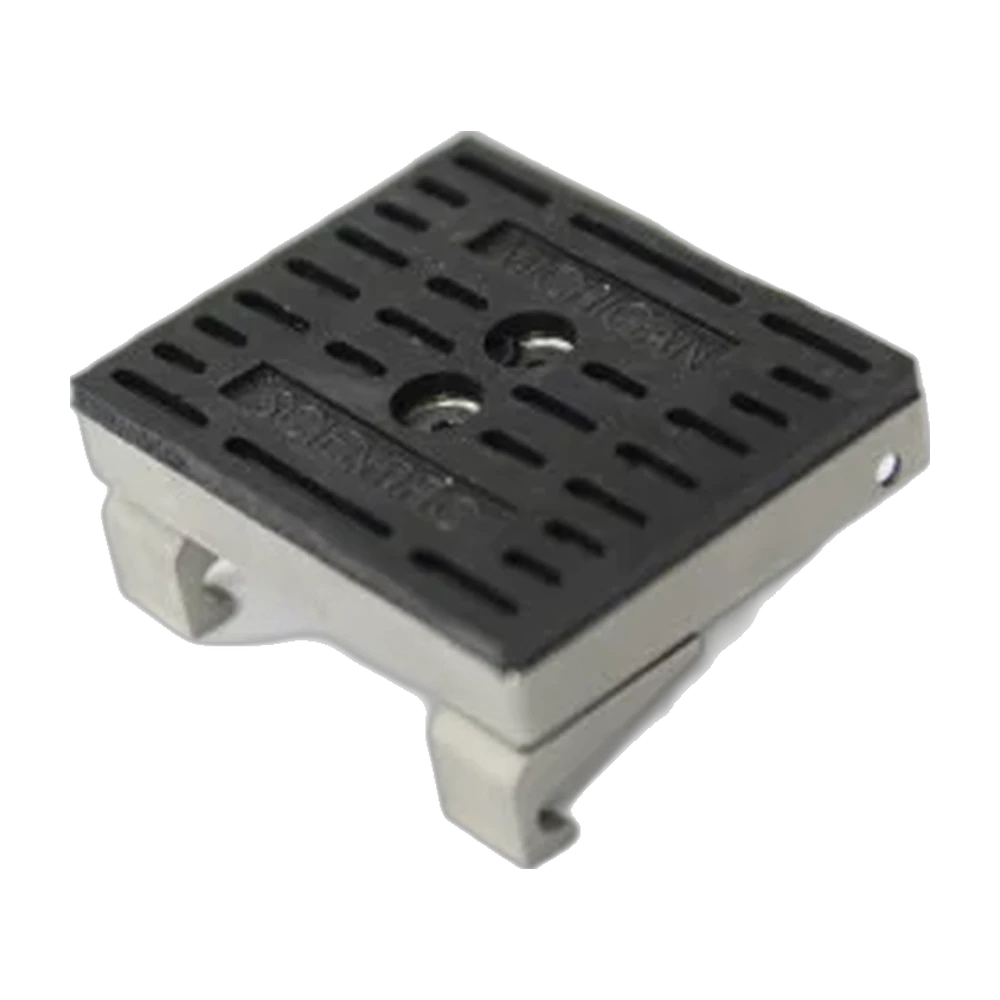
No catalogue model meets every criterion. Custom versions exist: ask us.
Load case and mounting known? Send them, an application engineer selects the load cell. Send the data
Applications
-
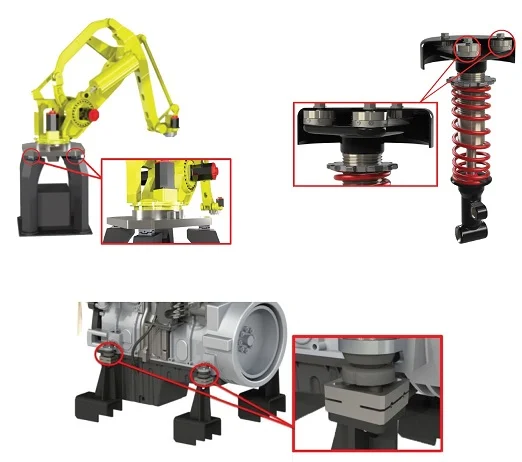
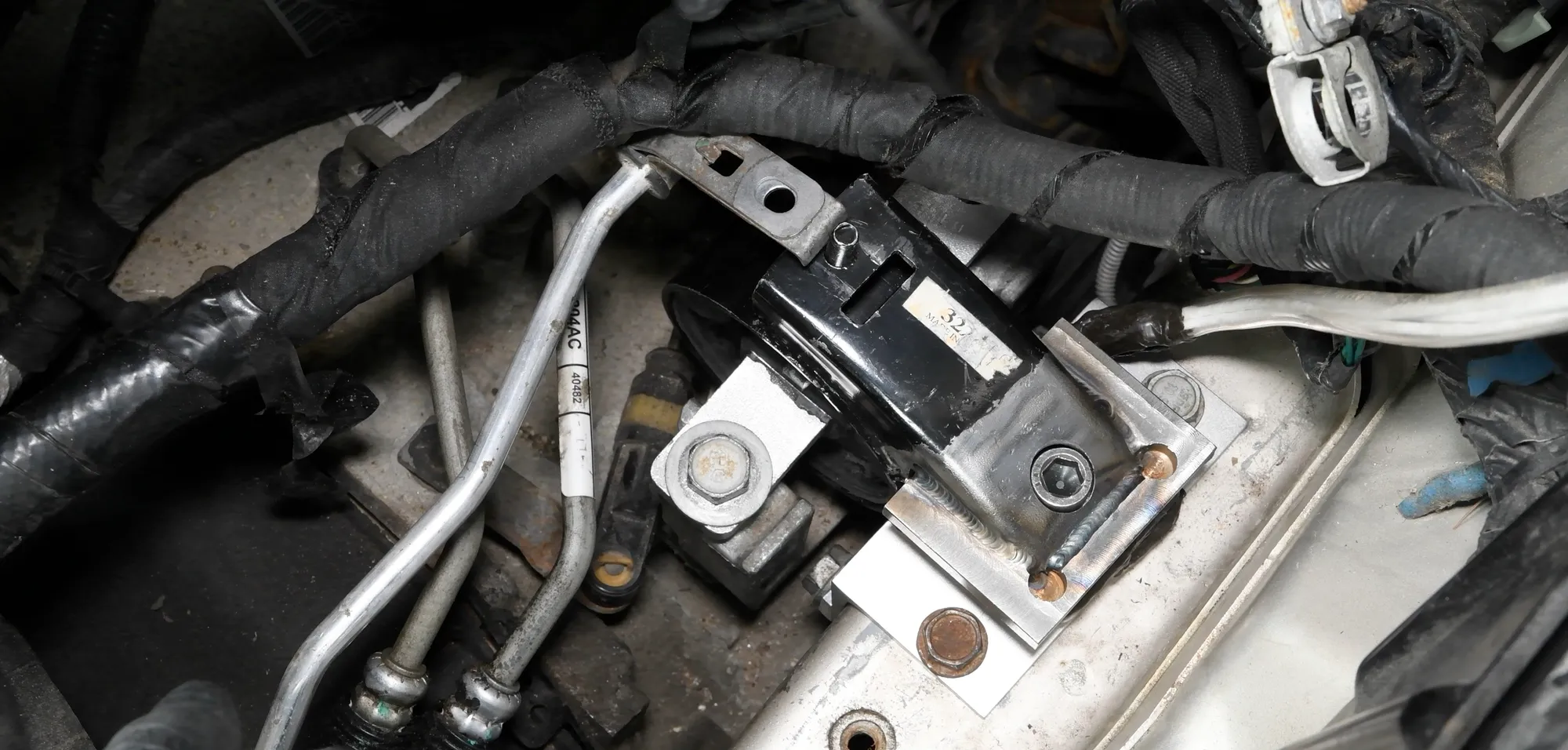 Component Engine mount loads The three forces each mount passes to the frame during start-up, acceleration and gear shifts.
-
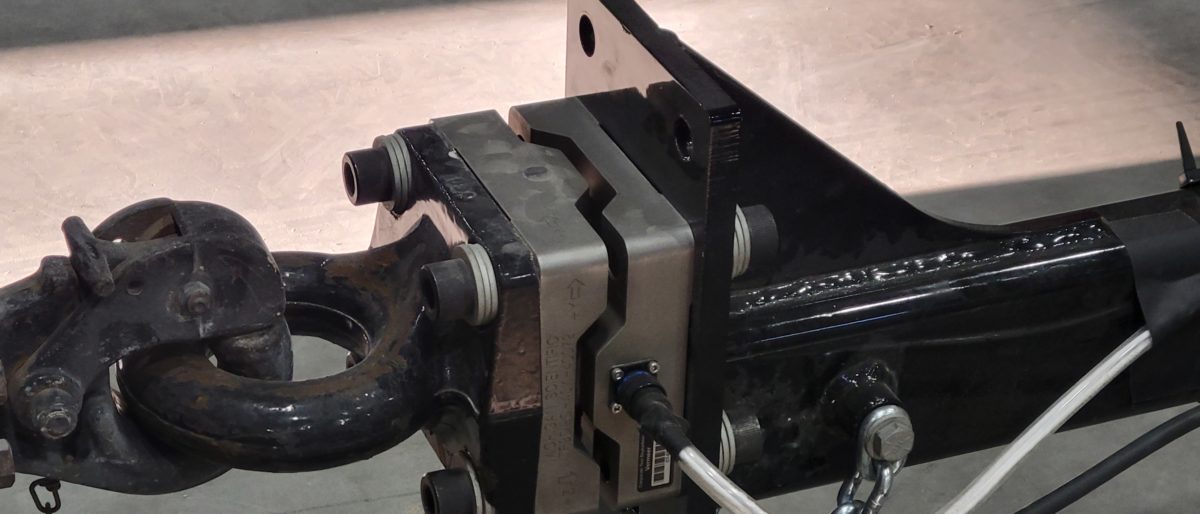 Towing Pintle hitch forces The three forces between towing vehicle and trailer, recorded in real towing situations.
-
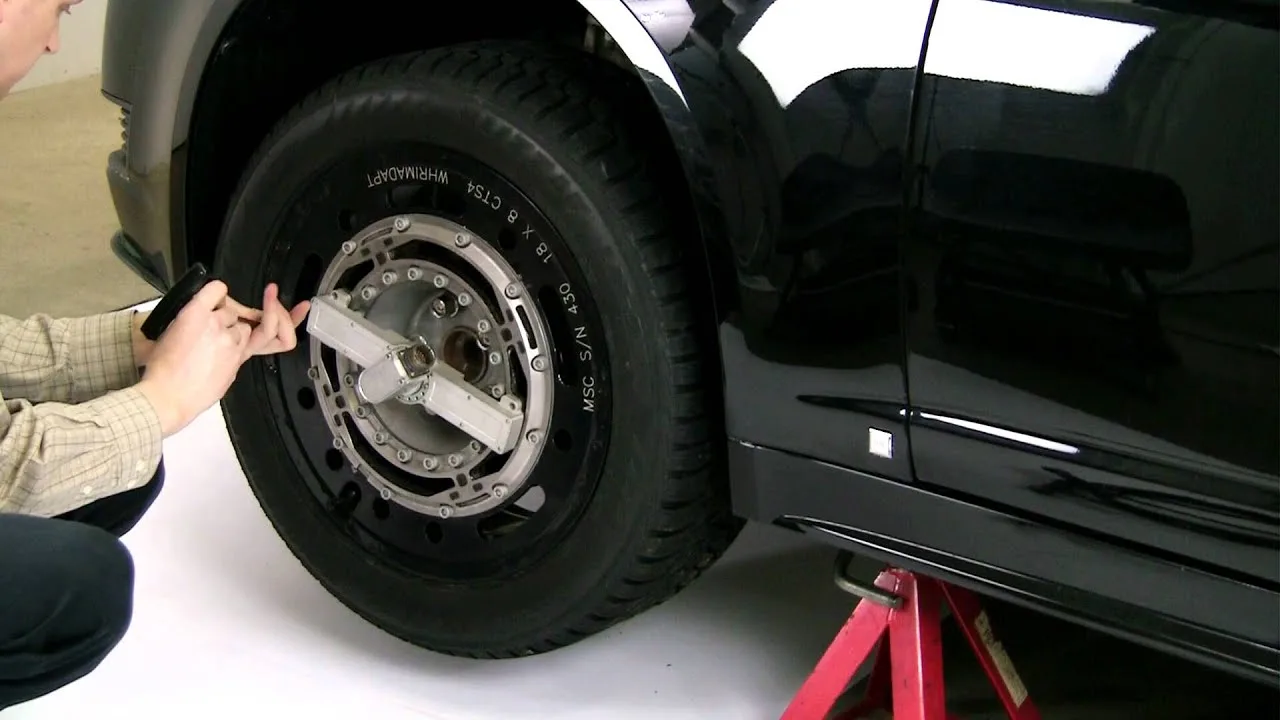 Tires Tire-road friction Tire and road surface forces measured in three directions on a traction fixture, to find the coefficient of friction.
-
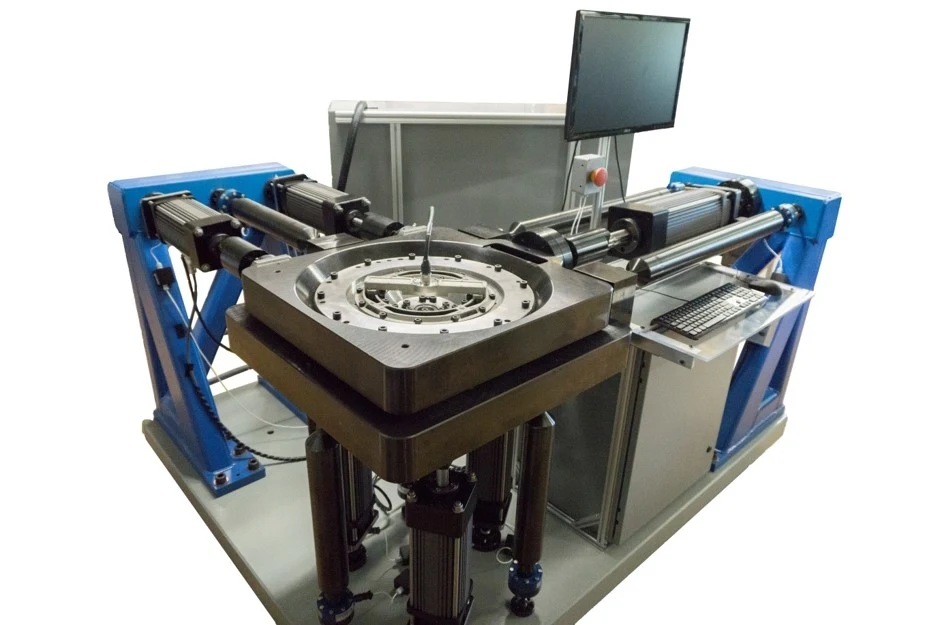
 Rig Force and moment load platform Net forces and net moments on a system, calculated from four three-axis load cells.
Around the load cell
Calibration, custom parts and rental, from the same team.
-
 Service Calibration Accredited ISO/IEC 17025 calibration, 1 to 6 axes, for Michigan Scientific load cells and those of other manufacturers. See the service
-
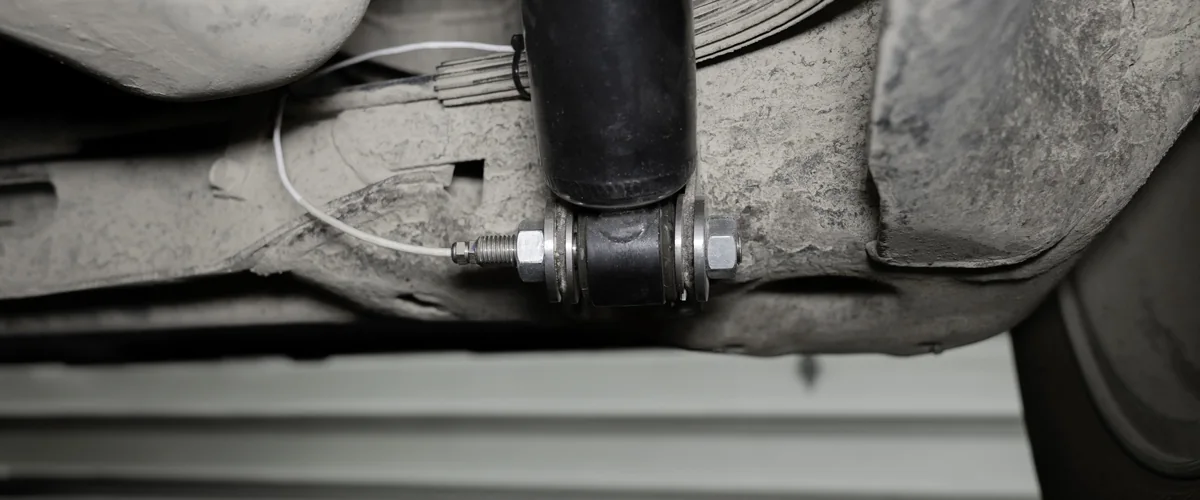 Service Custom transducers Your own part strain gaged and calibrated, or a load cell designed for your space and load case. See the service
-
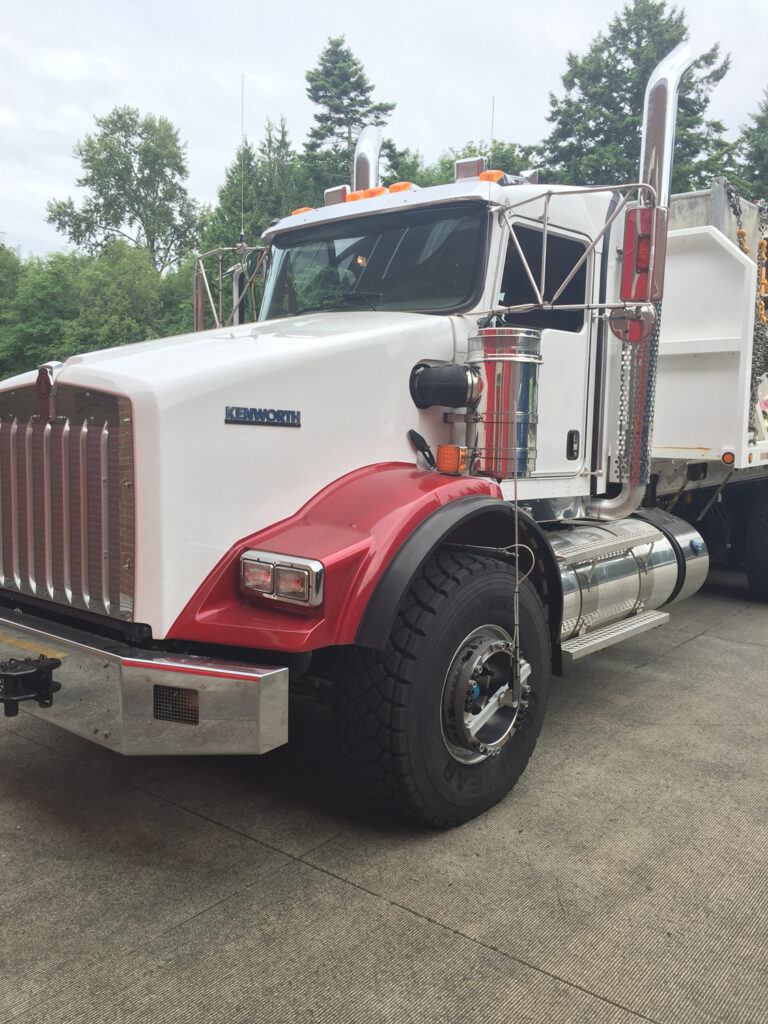 Service Rental Load cells rented for a test campaign, with custom mounting when needed. See the service
Technical data and documents
- Detail page
TR3D three-axis load cells
Four bodies, sixteen models from 1.1 to 444 kN. Specifications per model, drawings, 3D viewer, datasheets.
- Detail page
TR6D six-axis load cells
Three forces and three moments in one body: TR6D-C, 71 to 178 kN and 1.4 to 9.5 kN·m; TR6D-F, 12.5 to 45 kN, 24 to 40 mm high.
- Detail page
TR5D-B-5K five-axis load cell
Three forces to 22 kN and two bending moments to 815 N·m, 60.33 mm square.
Open the TR5D-B-5K - Detail page
BPFT pedal force transducers
2 200 N, on the series brake, clutch or accelerator pedal.
Choose a BPFT model - Detail page
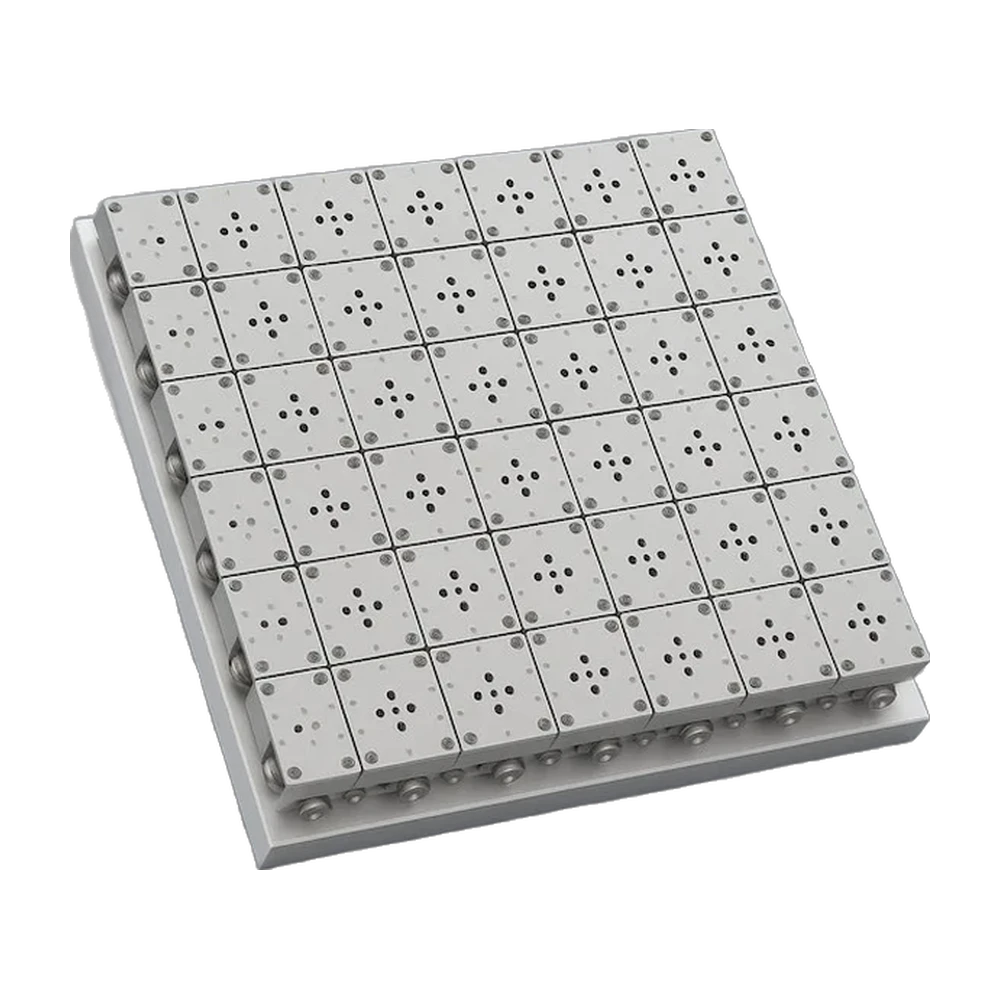
CT500 crash barrier load cells
Impact forces in three directions, from 124 mm cells that assemble into a barrier panel.
Open the CT500 series
Frequent questions
Can I get moments from three-axis load cells?
Yes. Four TR3D load cells between a platform and the ground give the three net forces and the three net moments on the platform, by calculation from their twelve readings.
Do I need an amplifier?
Not if your recorder supplies bridge excitation and reads strain gage bridges directly. Otherwise an SGA box, the SGA3 for one TR3D, the SGA6 for two or the SGA12 for up to four, supplies the excitation and gives ± 10 V per axis, with shunt calibration from a switch on the box.
What comes with the load cell?
A shielded cable, 3.05 m on most models, and its calibration certificate.
What if no catalog model fits my part?
Custom load cells are designed and built in any quantity: 1 to 6 axes, 250 N to 667 kN, 100 N·m to 203 kN·m. Your own part can also be strain gaged and calibrated.
Technical support
An application engineer answers within 24 hours on working days. When equipment fails during a campaign, diagnosis is remote and a loan unit can be shipped, depending on the project.
How support works- < 24 h
- first answer from an application engineer
- Over 30
- wheel force transducers in the loan and rental fleet
- 1 to 2 weeks
- typical calibration turnaround
Which load cell for your part?
Give the load range per axis, the mounting and the type of test. An application engineer answers with a reference and a price.
More details to give? Use the full contact form.