
Application · Winter
Measuring wheel forces and wheel speed on snow and ice to see when a tire slips

In brief
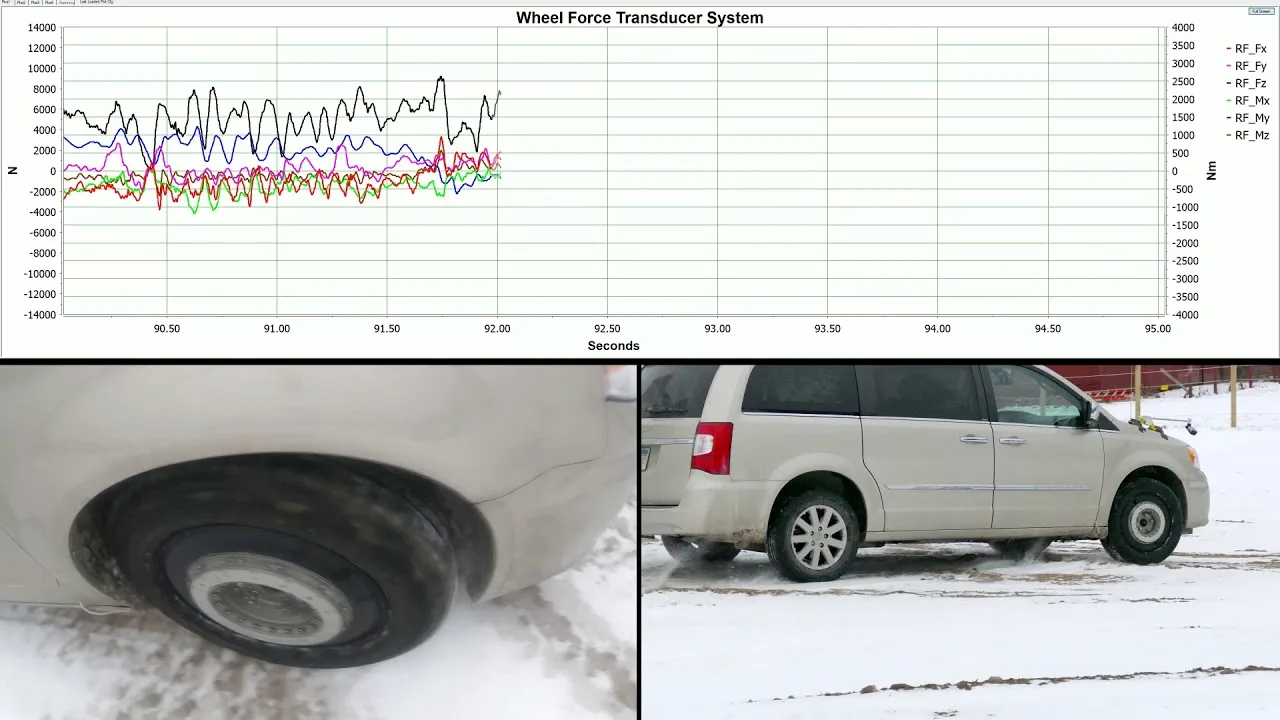
Winter validation checks how a vehicle handles on slippery roads. A wheel force transducer measures the three forces and the three moments on the wheel, and the wheel speed, on the vehicle and on the snow. When a tire starts to slip on a surface with a low coefficient of friction, the data shows wheel speed going up while the force on the wheel goes down. The same data is used for tire testing and development.
- 6
- load components measured at the wheel
- −40 to 125 °C
- operating temperature, LW12.8-50-TEL
- IP67
- protection of the TrueSlip side slip sensor
Why vehicles are tested on snow
Snow and ice make the road slippery, and a vehicle has to stay safe to drive on them. Manufacturers test and validate their designs on snow and ice before the vehicle reaches the road, and much of this testing is done with wheel force transducers.
Low grip, water and cold at the wheel
The measurement is made at the wheel, the part most exposed to snow, ice and water. The transducer output has to stay stable there, in the cold and in the wet.
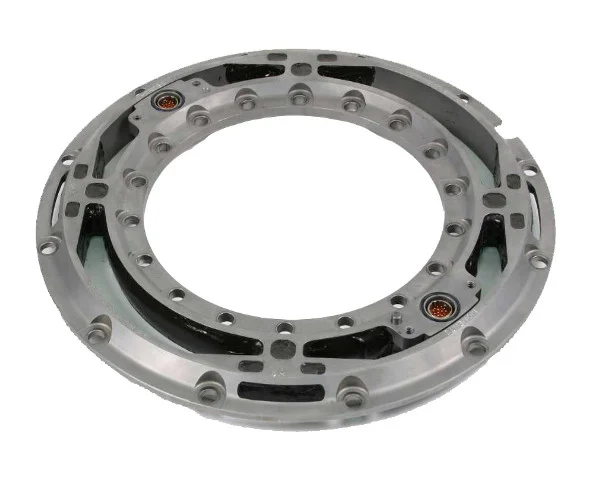
Michigan Scientific wheel force transducers are made of stainless steel, sealed to IP67 and temperature compensated. The telemetry version for cars and light duty trucks, the LW12.8-50-TEL, operates from −40 to 125 °C and needs no cable through the hub.
A sealed transducer with a wireless link
The setup is the same as for any wheel force measurement. The transducer takes the place of the wheel center, the signals leave the wheel, and an interface box gives the loads in vehicle axes.
- 01
Mount the transducer on the wheel
It mounts between a rim adapter and a hub adapter made for the vehicle, and measures three forces and three moments.
LW series wheel force transducers - 02
Send the signals by telemetry
A wireless transmitter in the wheel package sends the signals. No cable goes through the hub.
- 03
Resolve the loads in the interface box
The CT2 box does the coordinate transformation and the crosstalk compensation in real time, with analog, CAN and Ethernet outputs.
- 04
Add the side slip angle if needed
An optical sensor on a wheel or on the body gives the side slip angle. It works on dry, wet and dry icy roads.
TrueSlip side slip sensor
How slip shows in the data: speed up, force down
The transducer records the forces on the wheel and the wheel speed together. When the tire starts to slip because the coefficient of friction is low, the data shows an increase in wheel speed together with a decrease in the force on the wheel.
The same signature appears on ice, on snow and even on sand. It marks the moment the tire slips excessively, which is the information needed to judge how the vehicle handles on that surface.
The same data serves tire development
Forces and moments measured at the wheel on the real surface are used in tire testing and validation. They show how the tire interacts with the vehicle and with the surface, and how that affects the handling the driver feels.
What you get
The three forces and three moments on the wheel, with wheel speed, measured on the vehicle on snow and ice. The moment a tire slips is visible in the two signals, for vehicle validation and for tire development.
Frequent questions
How do you detect that a tire is slipping on ice during a test?
A wheel force transducer records the wheel forces and the wheel speed together. When the tire starts to slip, the data shows an increase in wheel speed together with a decrease in the force on the wheel.
Can a wheel force transducer be used in snow and water?
Yes. Michigan Scientific wheel force transducers are made of stainless steel, with weatherproof sealing, and are temperature compensated. The LW12.8-50-TEL operates from −40 to 125 °C.
Which wheel force transducer is used for winter vehicle testing?
The wireless telemetry version, such as the LW12.8-50-TEL for cars and light duty trucks. It sends the signals from the wheel with no cable through the hub.
Can the side slip angle be measured on an icy road?
Yes. The TrueSlip optical sensor, mounted on a wheel or on the body, gives the side slip angle on dry, wet and dry icy roads.
Similar applications
All applications-
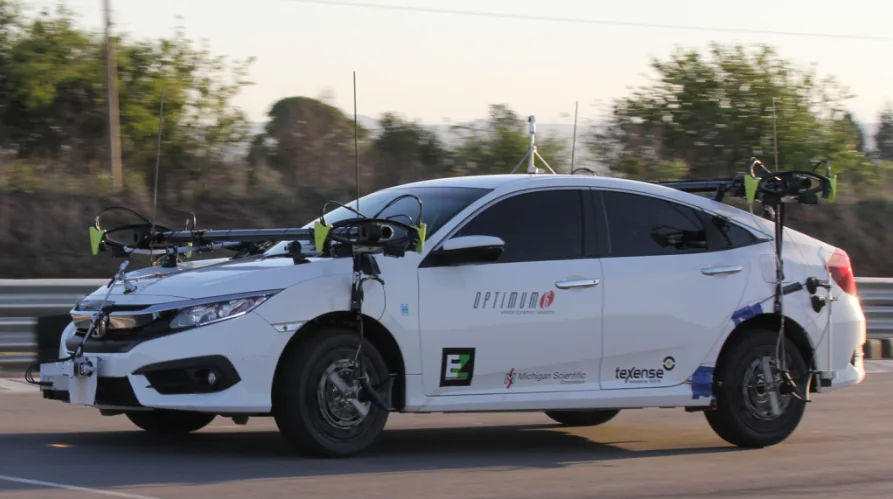 Dynamics Vehicle dynamics The forces and moments at each wheel while the vehicle brakes, turns and changes lane.
 -
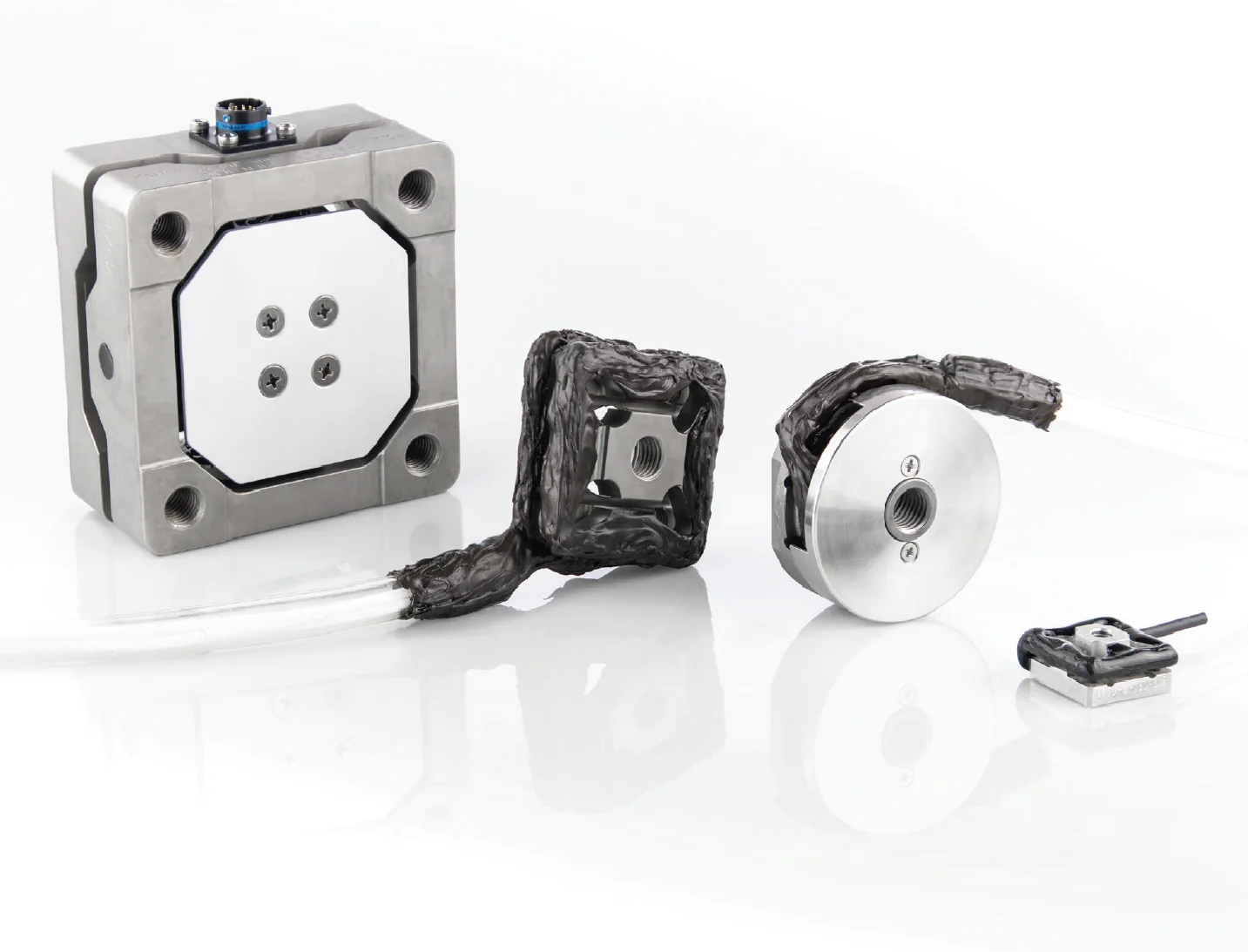 Tires Tire-road friction Tire and road surface forces measured in three directions on a traction fixture, to find the coefficient of friction.
 -
 Durability Wheel loads on the road Three forces and three moments at each wheel, recorded while the vehicle is driven.