
Application · Test rig
Taking signals off a rotating part when space is at a premium
In brief
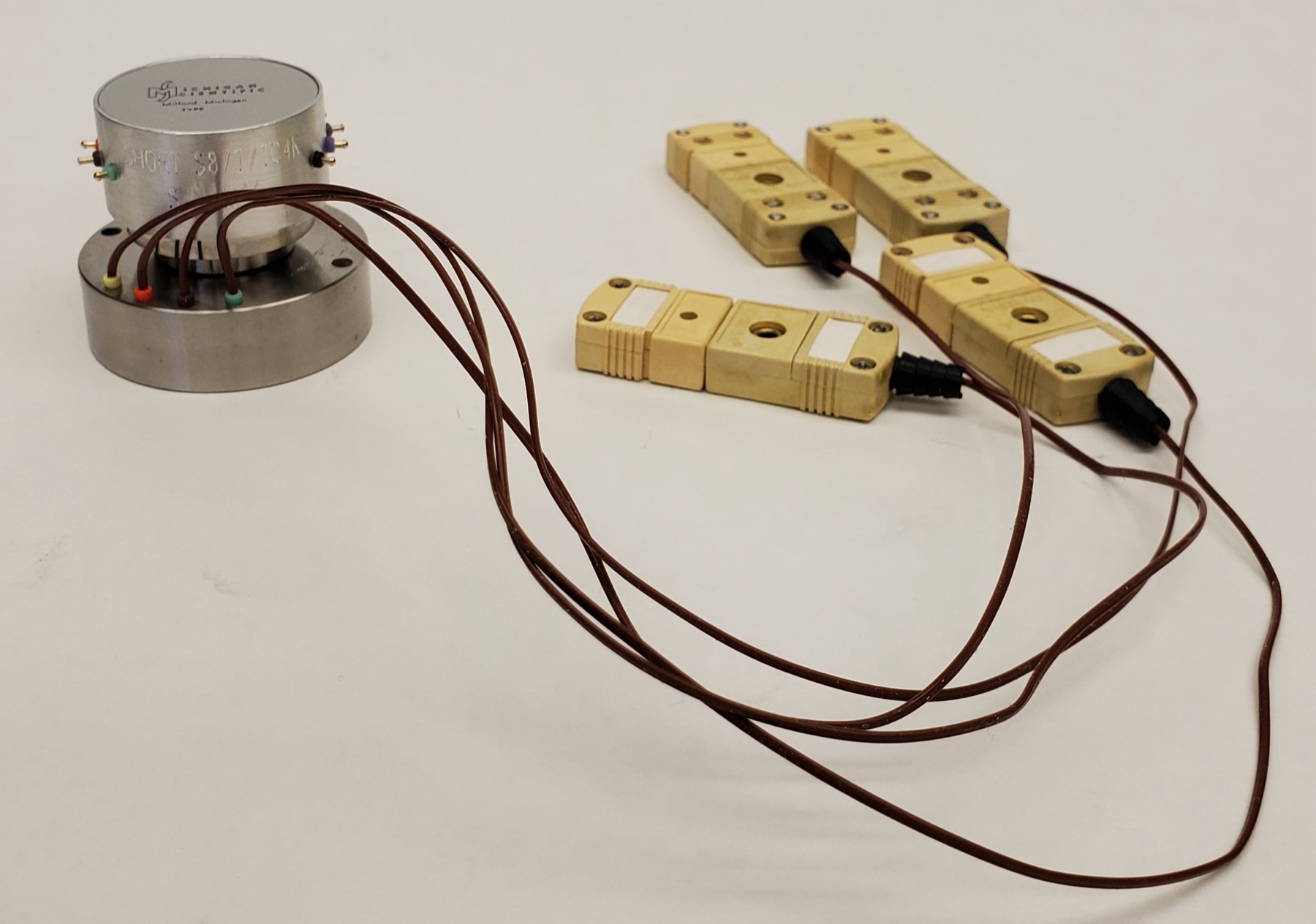
In some tests there is no room for a slip ring and a separate amplifier: strain or temperature has to be measured directly in an engine, in a robot end effector or in medical equipment. The Short S-Series is the most compact slip ring of the range, 22 to 37 mm long, and its amplifier can be built into the rotor.
- Up to 10
- circuit connections on the Short S-Series
- 22 to 37 mm
- length of the Short S-Series, depending on model
- 2
- integrated amplifier types: strain gage or thermocouple
A compact slip ring
The Short S-Series slip rings carry signals to or from a rotating source: strain gages, thermocouples or other sensors. They have up to 10 circuit connections, mount on the shaft end with two screws and run up to 12 000 rpm. Brushes and rings are in precious metals, with a maximum peak noise of 0.1 Ω. Current capacity is not sacrificed to the size.
The amplifier inside the rotor
Michigan Scientific makes stand-alone modular amplifiers that pilot directly on slip ring rotors. In many applications there is no room for this addition. In the Short S-Series, the amplifier can be integrated within the rotor, between the sensors and the rings. It takes no extra space, and the signal crosses the rings as a high-level voltage.
| Strain gage amplifier | In the rotor, for a strain gage bridge. |
|---|---|
| Thermocouple amplifier | In the rotor, for thermocouples. The Short S8 version has four type K inputs. |
Where it is used
- Vehicle testing, directly in an engine
- Robotic testing, in an end effector
- Medical equipment testing
What you get
Strain or temperature from a rotating part in a small space. When the amplifier is in the rotor, the signal is already a high-level voltage when it crosses the precious metal rings.
Frequent questions
What is the most compact slip ring for strain gage or thermocouple signals?
The Short S-Series is the most compact slip ring in the Michigan Scientific range. It is an end-of-shaft slip ring with up to 10 circuit connections.
Can the amplifier be built into the slip ring?
Yes. In the Short S-Series, a strain gage amplifier or a thermocouple amplifier can be integrated within the rotor, between the sensors and the rings. It takes no extra space, and the signal crosses the rings as a high-level voltage.
Does a compact slip ring carry less current or give a weaker signal?
No. On the Short S-Series, current capacity is not sacrificed to the size. Brushes and rings are in precious metals, with a maximum peak noise of 0.1 Ω.
Similar applications
All applications-
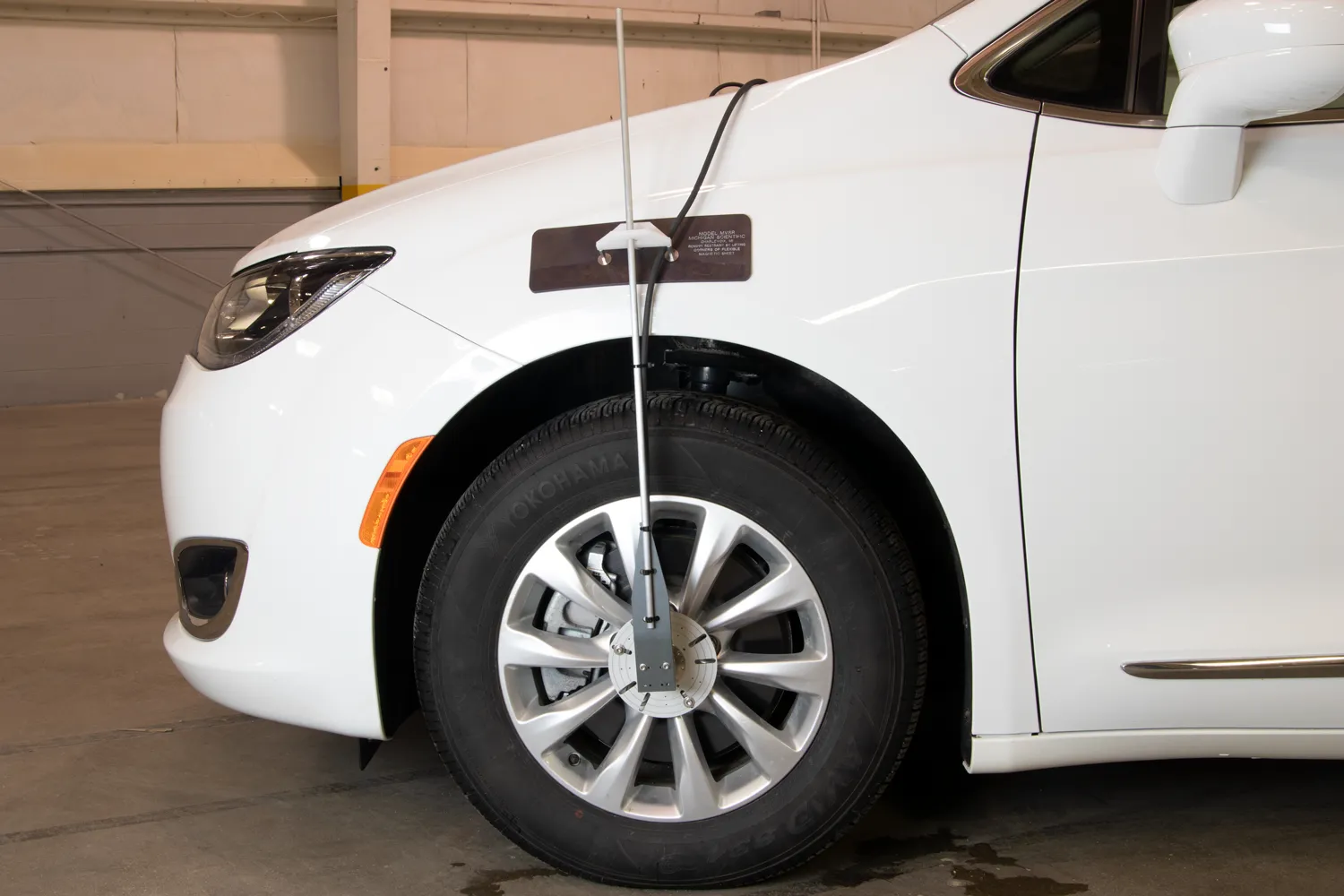 Temperature Temperature on rotating parts The temperature of a bearing, a compressor or a brake rotor, read while the part rotates under load.
 -
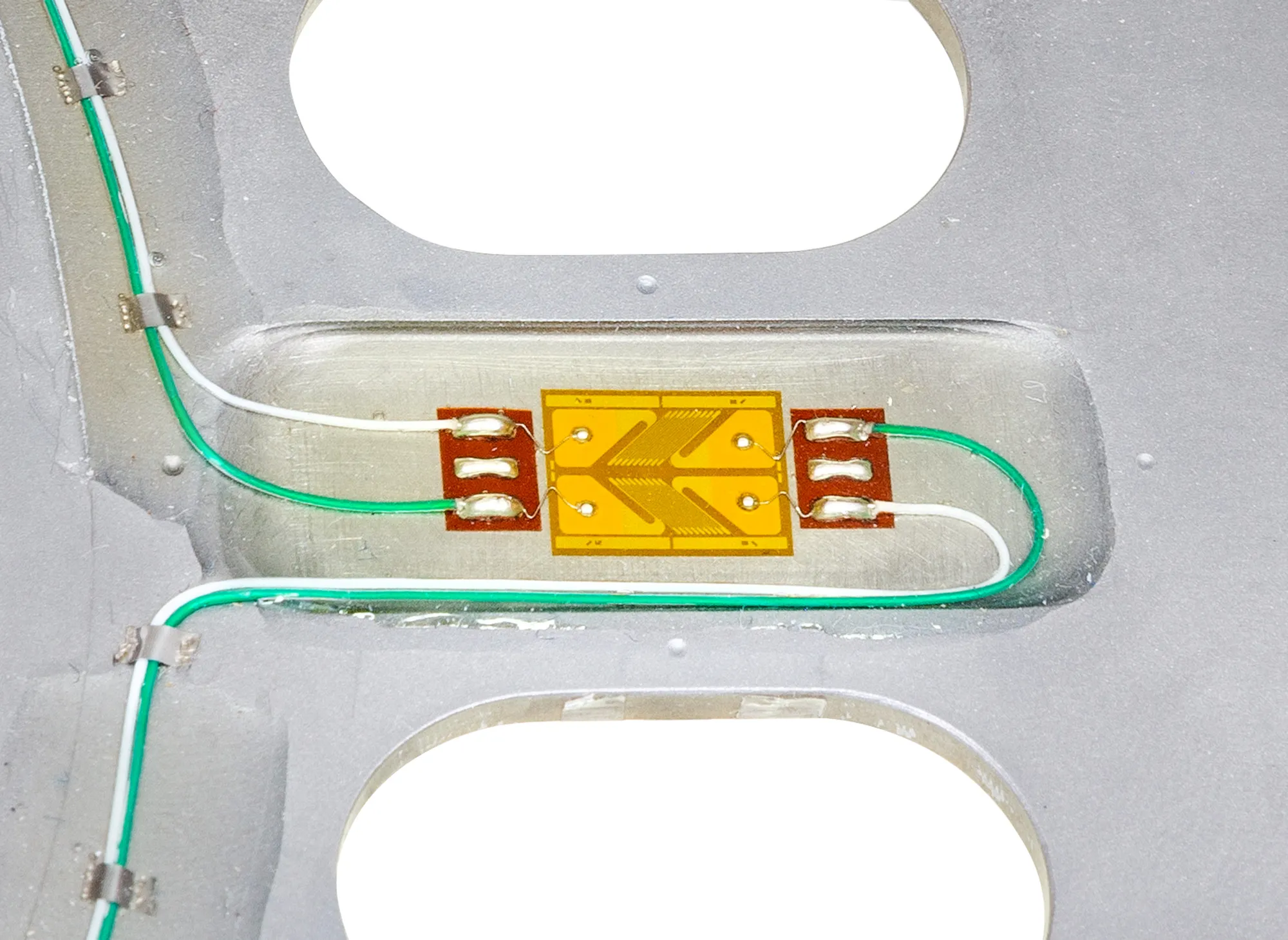 Engine Crankshaft measurements Torque, bending and strain on your own crankshaft with the engine running, in the vehicle or on the dyno.
 -
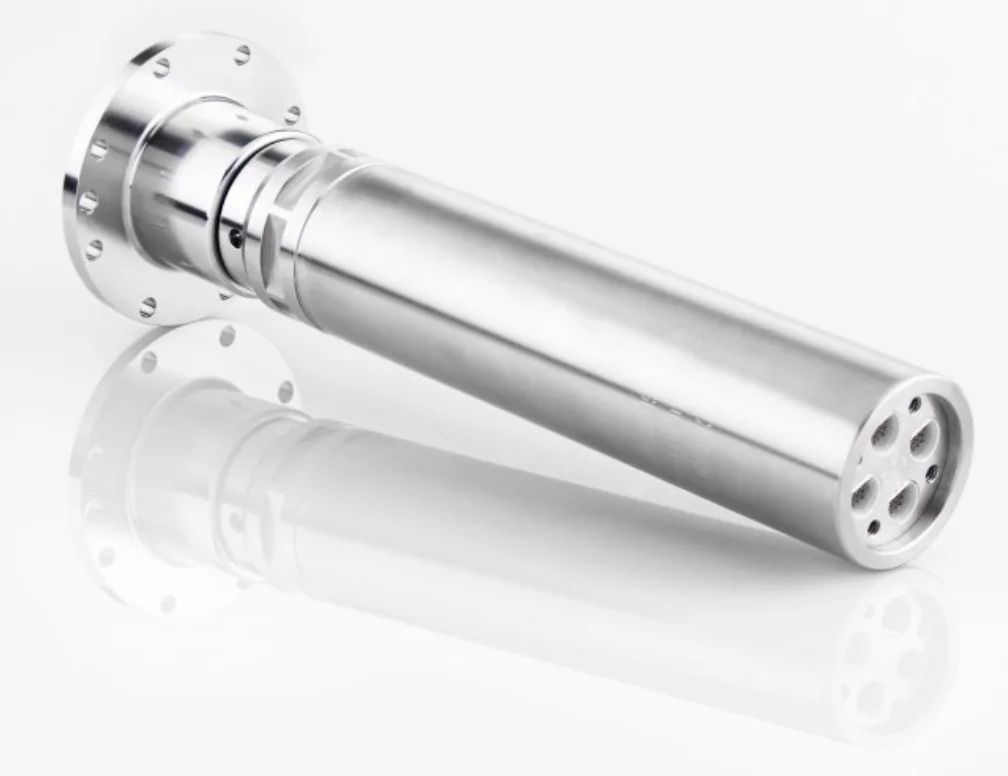 Turbines Fan and turbine blades Strain and temperature from many points on the blades, recorded together while the rotor turns.