
Application · Component
Measuring forces in three directions where a load cell hardly fits
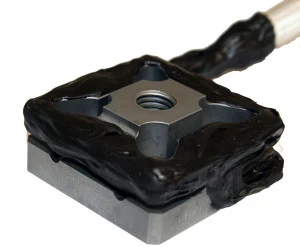
In brief
Load cells are often built for heavy loads and are bulky. In a robot or a prosthesis, the load cell has to fit inside the moving assembly. The TR3D-B-1K measures three forces up to 4.4 kN per axis in a body of 25 × 25 × 13 mm; the six-axis TR6D-C-40K adds the three moments.
- 4.4 kN
- capacity per axis of the TR3D-B-1K (1 000 lb)
- 25 × 25 × 13 mm
- size of the TR3D-B-1K (1 × 1 × 0.5 in)
- 6
- components measured by the TR6D-C-40K
On a robot
A load cell measures the overhanging moment on a robotic arm during operation, or the forces on its end effector.
A six-axis load cell gives the three forces and the three moments, so the robot senses loads in every direction. This is used for tasks such as gripping and product assembly.
On a prosthesis
Under a prosthetic foot, load cells detect the forces between the prosthesis and the ground. Measured in three directions, they give biomechanical feedback while the patient walks, runs or jumps. The data is used for balance and gait work and for the development of the prosthesis.
Six-axis load cells are used in the same field for joint simulations, prosthetic limbs and performance tests.

In a vehicle, where space is short
The same miniature load cell measures mount loads in a vehicle. On a multipart drive shaft, it gives the radial and axial loads on the bearing mount. Between a motorcycle engine and its frame, the three directions give the total force on the engine mount brackets and vibration dampers.
Other six-axis uses
| Aerospace | Custom load cells measure the loads on critical mechanical features. |
|---|---|
| Automotive | Multi-axis load cells are used in crash, brake and cornering tests. |
| Wind tunnel | Lift, drag, side force, yaw, roll and pitch on land and air vehicles. |
What you get
Forces in three directions, and moments with a six-axis cell, from a temperature-compensated load cell sealed to IP65 that fits inside the assembly.
Frequent questions
How small can a three-axis load cell be?
The TR3D-B-1K measures 25 × 25 × 13 mm (1 × 1 × 0.5 in). It measures three forces up to 4.4 kN (1 000 lb) per axis.
What does a six-axis load cell measure?
Three forces and three moments. On a robot, it senses loads in every direction, which is used for tasks such as gripping and product assembly.
How are ground reaction forces measured under a prosthetic foot?
Load cells are placed between the prosthetic foot and the ground. Measured in three directions, the forces give biomechanical feedback while the patient walks, runs or jumps.
Can a miniature load cell measure mount loads in a vehicle?
Yes. The same miniature three-axis load cell gives the radial and axial loads on the bearing mount of a multipart drive shaft, or the total force on the engine mount brackets of a motorcycle.
Similar applications
All applications- Medical Medical equipment Small tension loads, multi-axis forces on prostheses and clean temperature signals, for medical and pharmaceutical equipment.
-
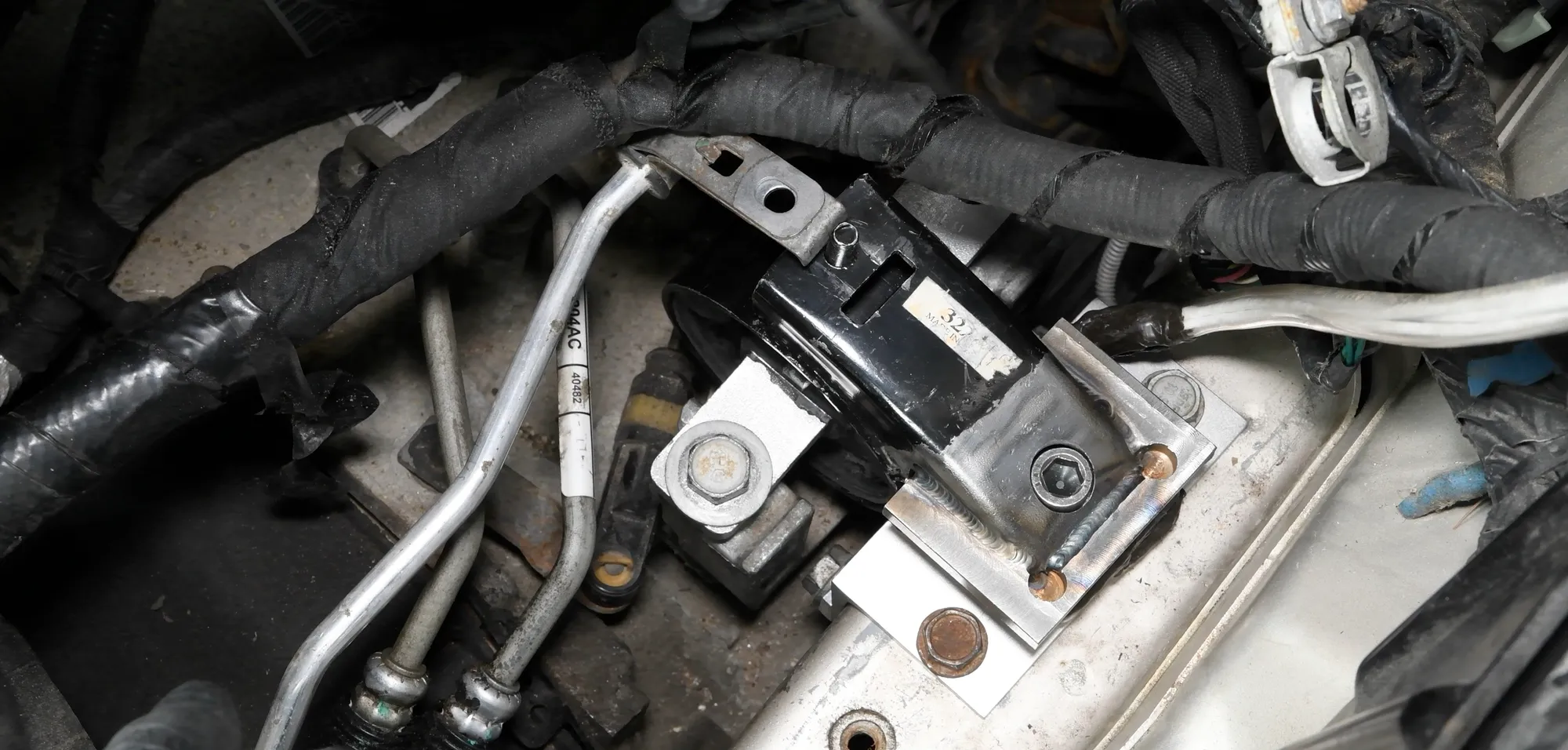 Component Engine mount loads The three forces each mount passes to the frame during start-up, acceleration and gear shifts.
 -
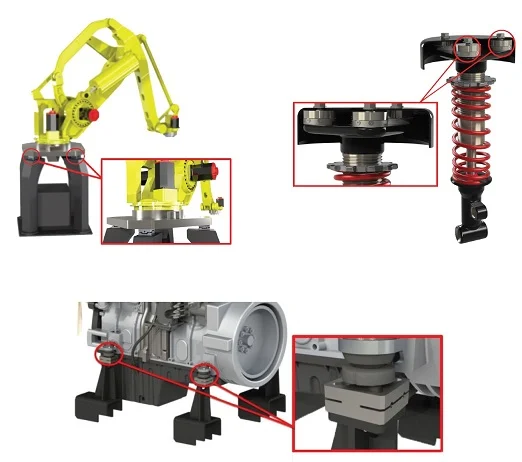 Rig Force and moment load platform Net forces and net moments on a system, calculated from four three-axis load cells.