
AMP-TC-M1 miniature thermocouple amplifier
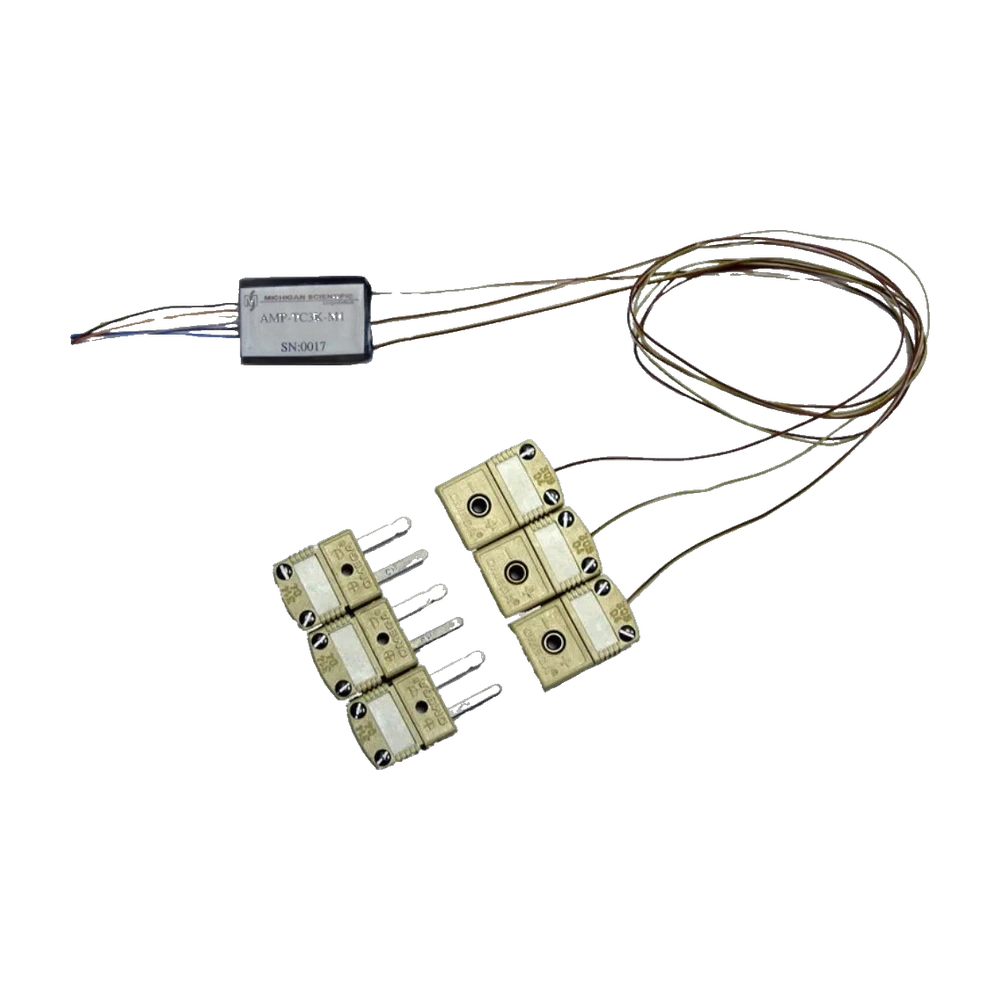
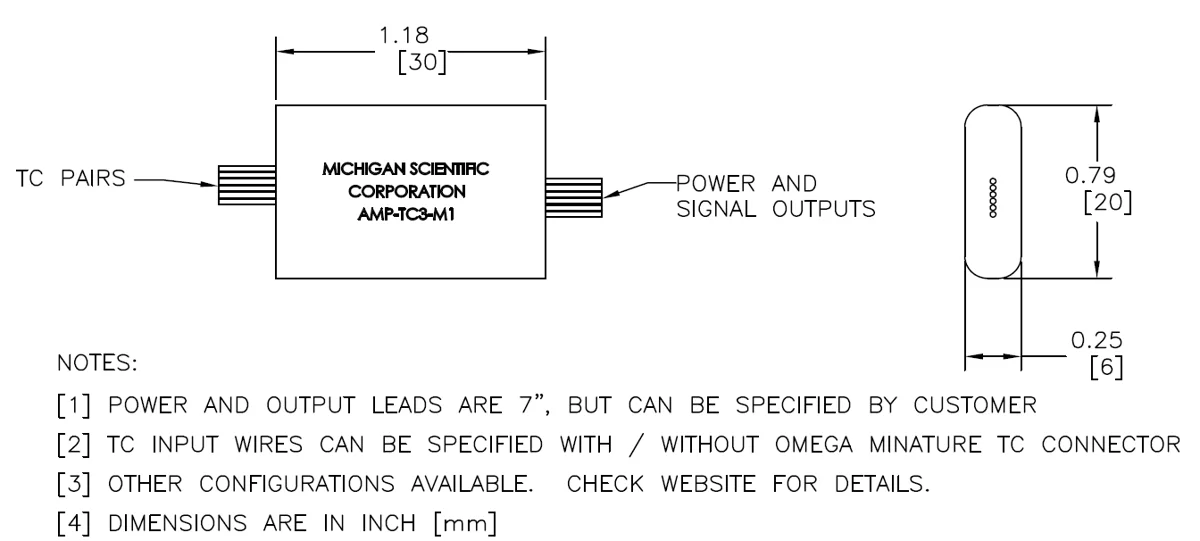
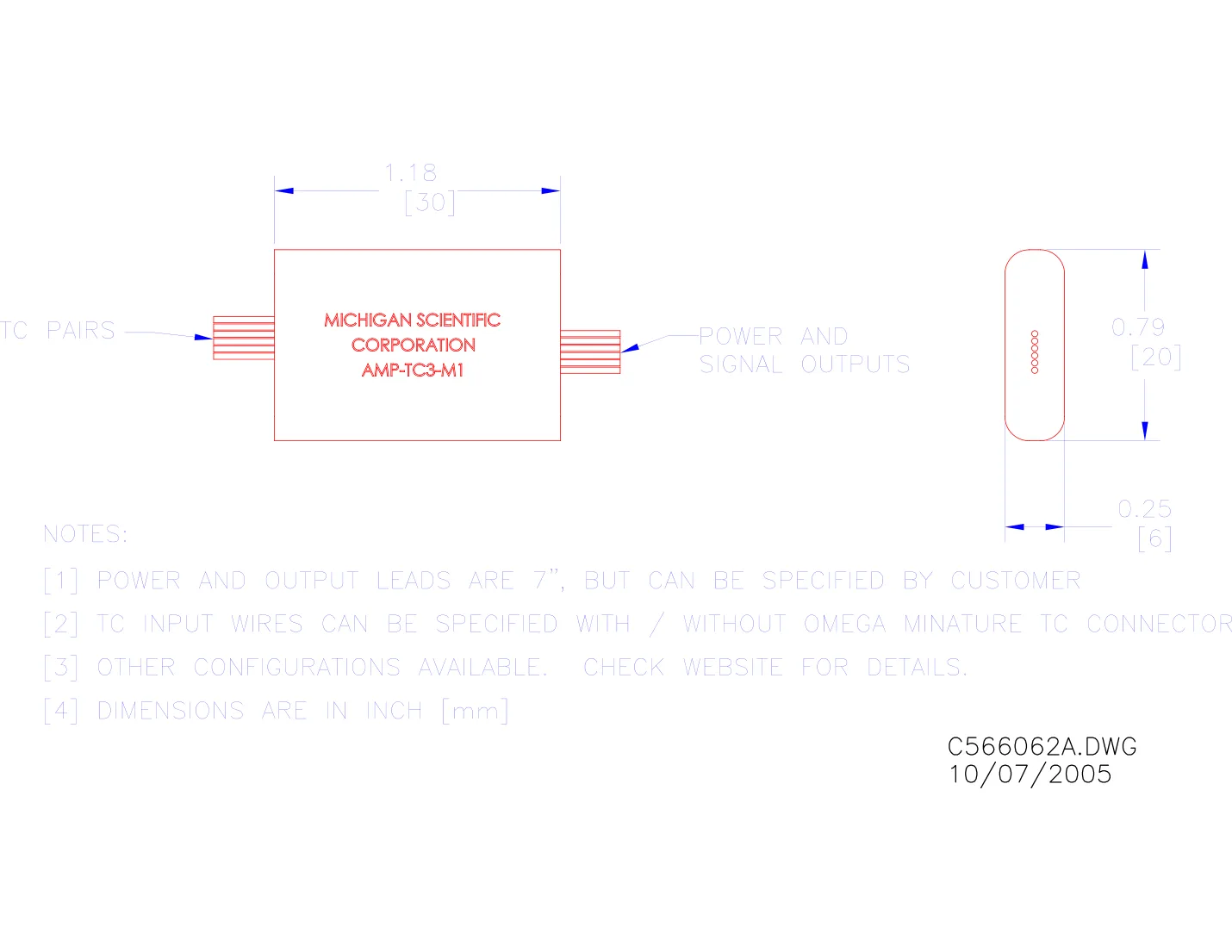
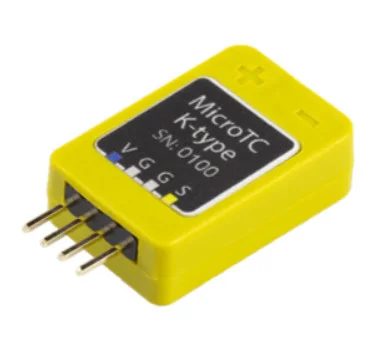
Miniature thermocouple amplifier, one to three cold junction compensated channels, types K, J, T or E, 10 mV/°C output, 30 × 20 × 6 mm, for the rotating side before the slip ring.
Model AMP-TC3-M1
- 1
- Thermocouple channels
- 10 mV/°C
- Output, at 25 °C
- ± 2 °C
- Temperature error at 25 °C
- 30 × 20 × 6 mm
- Body
- 2
- Thermocouple channels
- 10 mV/°C
- Output, at 25 °C
- ± 2 °C
- Temperature error at 25 °C
- 30 × 20 × 6 mm
- Body
- 3
- Thermocouple channels
- 10 mV/°C
- Output, at 25 °C
- ± 2 °C
- Temperature error at 25 °C
- 30 × 20 × 6 mm
- Body
- Output10 mV/°C at 25 °C, ± 10 V max, not linearized
- Thermocouple typesK, J, T or E
- Thermocouple connectionWires with or without Omega miniature connector
- Output10 mV/°C at 25 °C, ± 10 V max, not linearized
- Thermocouple typesK, J, T or E
- Thermocouple connectionWires with or without Omega miniature connector
- Output10 mV/°C at 25 °C, ± 10 V max, not linearized
- Thermocouple typesK, J, T or E
- Thermocouple connectionWires with or without Omega miniature connector
Thermocouples amplified before the slip ring
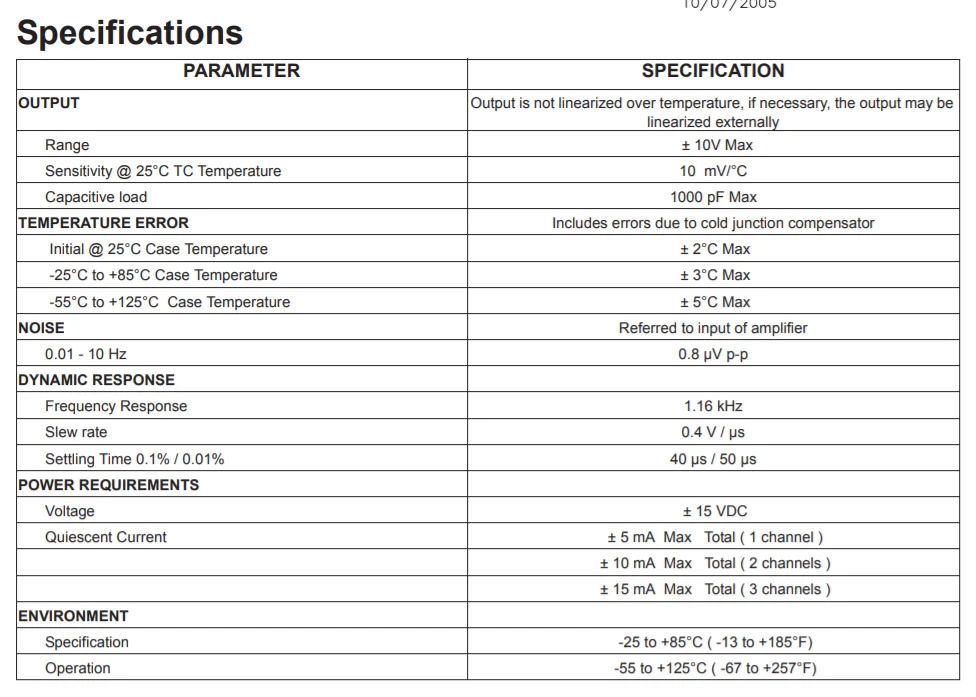
The AMP-TC-M1 is a miniature thermocouple amplifier in three models, AMP-TC1-M1 to AMP-TC3-M1, for one, two or three thermocouples of type K, J, T or E. Its stable differential amplifiers deliver 10 mV/°C at 25 °C, up to ± 10 V, with a 1.16 kHz bandwidth; the output is not linearized. Temperature error, cold junction included, is ± 2 °C max at 25 °C and ± 5 °C max from −55 to 125 °C. Inputs can be grounded or isolated. It runs on ± 15 V DC, ± 5 mA max for one channel, ± 10 mA for two, ± 15 mA for three, and measures 30 × 20 × 6 mm, with 178 mm (7 in) power and output leads as standard.
The amplifier can be adhered, potted or strapped to the part; the manual gives Dow Corning 3145 RTV for bonding. Three choices complete the order: the thermocouple type, the input wires with or without an Omega miniature connector, and the length of the power and output leads. The color-coded leads carry ± 15 V, common and one output per channel; signals are best measured against a second common wire run from the amplifier. Several amplifiers run from one control unit, whose bridge excitation and shunt switches do not affect them. Polynomials in the manual linearize the output.
It is used to read brake disc and hub temperatures through a wheel slip ring, temperatures on electric motor rotors, and bearings, compressors and other rotating parts.
Specifications
| Temperature accuracy | ≤ 2 °C (at 25 °C, cold junction included; 3 °C from −25 to 85 °C, 5 °C from −55 to 125 °C, case temperature) |
|---|---|
| Channels | 1 |
| Input | Thermocouple (grounded or isolated) |
| Thermocouple types | E · J · K · T |
| Output | Analog voltage |
| Output range | −10 to 10 V (10 mV/°C at 25 °C, not linearized) |
| Bandwidth | 1.16 kHz |
| Noise, referred to input | ≤ 0.8 µV (p-p, 0.01 to 10 Hz) |
| Slew rate | 0.4 V/µs |
| Settling time | 50 µs (40 µs to 0.1 %) |
| Supply voltage | 15 V (dual supply, ± 15 V DC) |
| Supply current | 5 mA (max total, per rail, 1 channel) |
| Cold junction compensation | Yes |
| Max capacitive load | 1 000 pF |
| Dimensions | 30 × 20 × 6 mm |
| Operating temperature | −55 to 125 °C |
| Compensated temperature | −25 to 85 °C |
| Connections | Flying leads · Connector (thermocouple inputs with or without Omega miniature connector, to order) |
| Cable length | 0.178 m (power and output leads, 7 in standard; other lengths on request) |
| Temperature accuracy | ≤ 2 °C (at 25 °C, cold junction included; 3 °C from −25 to 85 °C, 5 °C from −55 to 125 °C, case temperature) |
|---|---|
| Channels | 2 |
| Input | Thermocouple (grounded or isolated) |
| Thermocouple types | E · J · K · T |
| Output | Analog voltage |
| Output range | −10 to 10 V (10 mV/°C at 25 °C, not linearized) |
| Bandwidth | 1.16 kHz |
| Noise, referred to input | ≤ 0.8 µV (p-p, 0.01 to 10 Hz) |
| Slew rate | 0.4 V/µs |
| Settling time | 50 µs (40 µs to 0.1 %) |
| Supply voltage | 15 V (dual supply, ± 15 V DC) |
| Supply current | 10 mA (max total, per rail, 2 channels) |
| Cold junction compensation | Yes |
| Max capacitive load | 1 000 pF |
| Dimensions | 30 × 20 × 6 mm |
| Operating temperature | −55 to 125 °C |
| Compensated temperature | −25 to 85 °C |
| Connections | Flying leads · Connector (thermocouple inputs with or without Omega miniature connector, to order) |
| Cable length | 0.178 m (power and output leads, 7 in standard; other lengths on request) |
| Temperature accuracy | ≤ 2 °C (at 25 °C, cold junction included; 3 °C from −25 to 85 °C, 5 °C from −55 to 125 °C, case temperature) |
|---|---|
| Channels | 3 |
| Input | Thermocouple (grounded or isolated) |
| Thermocouple types | E · J · K · T |
| Output | Analog voltage |
| Output range | −10 to 10 V (10 mV/°C at 25 °C, not linearized) |
| Bandwidth | 1.16 kHz |
| Noise, referred to input | ≤ 0.8 µV (p-p, 0.01 to 10 Hz) |
| Slew rate | 0.4 V/µs |
| Settling time | 50 µs (40 µs to 0.1 %) |
| Supply voltage | 15 V (dual supply, ± 15 V DC) |
| Supply current | 15 mA (max total, per rail, 3 channels) |
| Cold junction compensation | Yes |
| Max capacitive load | 1 000 pF |
| Dimensions | 30 × 20 × 6 mm |
| Operating temperature | −55 to 125 °C |
| Compensated temperature | −25 to 85 °C |
| Connections | Flying leads · Connector (thermocouple inputs with or without Omega miniature connector, to order) |
| Cable length | 0.178 m (power and output leads, 7 in standard; other lengths on request) |
Request a quote
Resources
Datasheets and manuals
CAD models
None for AMP-TC1-M1.
Guides and notes
Datasheets and manuals
CAD models
None for AMP-TC2-M1.
Guides and notes
Datasheets and manuals
CAD models
None for AMP-TC3-M1.
Guides and notes
Related applications
-
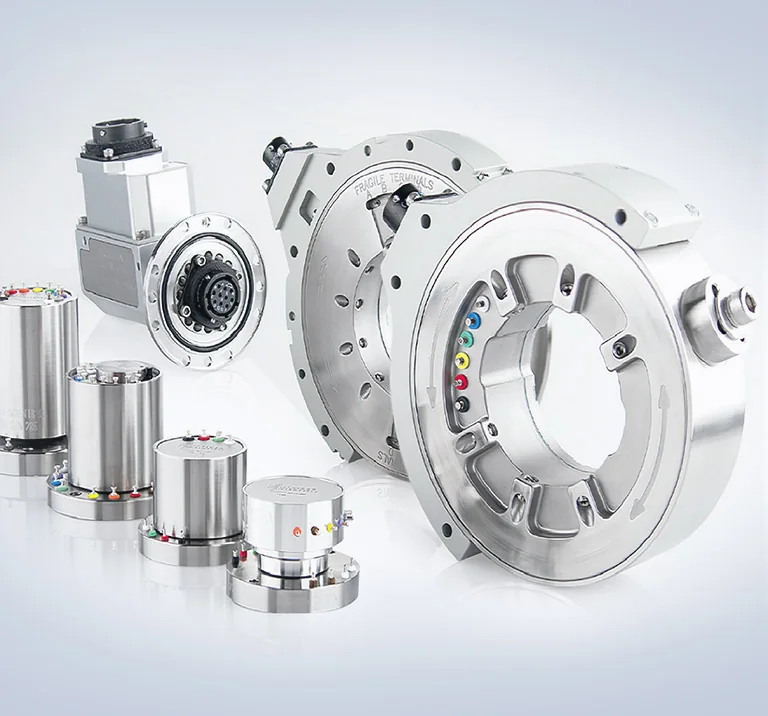 Electric Temperature in electric vehicles Temperatures on the rotating parts of an electric motor, brought out by a slip ring with amplifiers in its rotor.
-
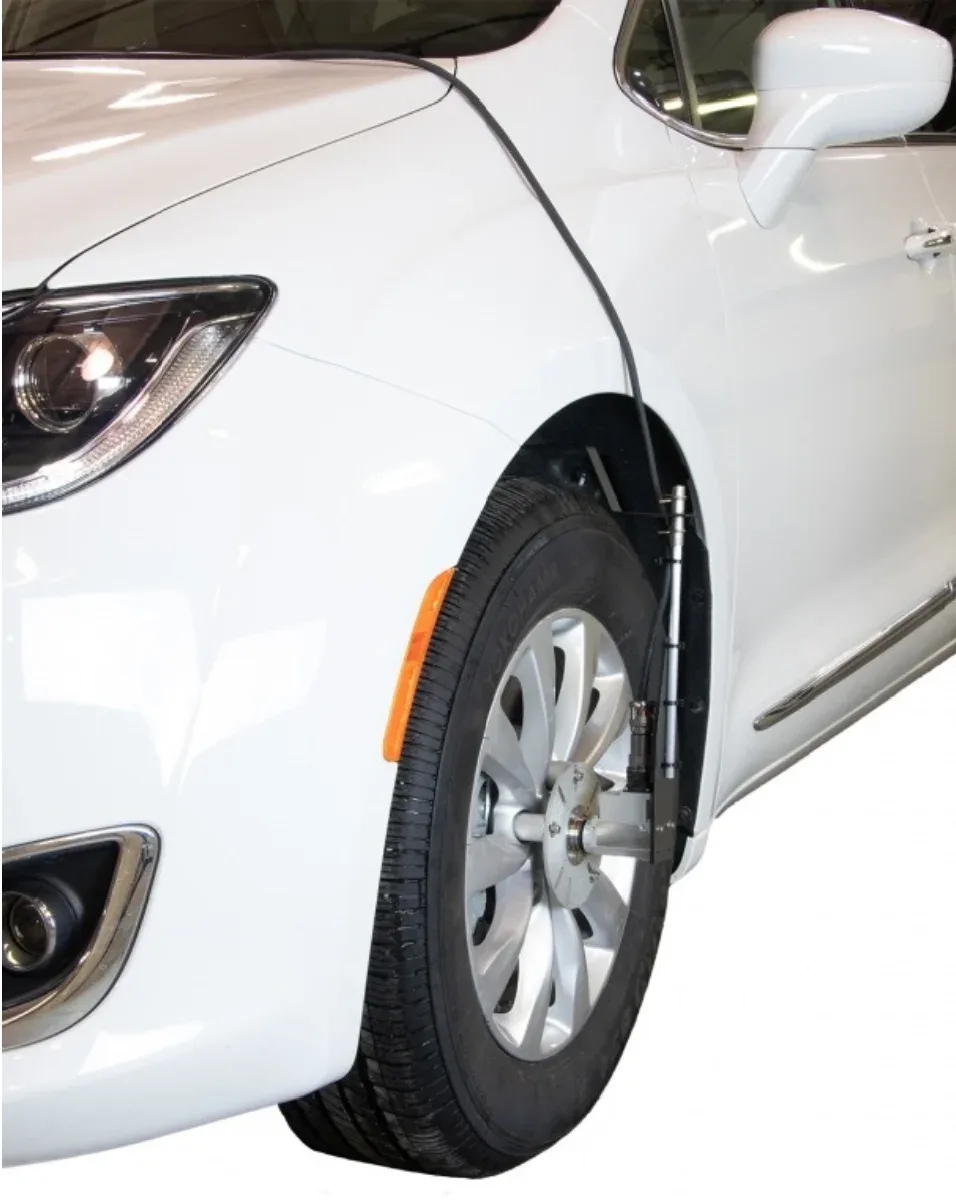 Temperature Brake disc temperature Disc and hub temperatures read on the turning wheel, through a wheel slip ring or a telemetry package.
-
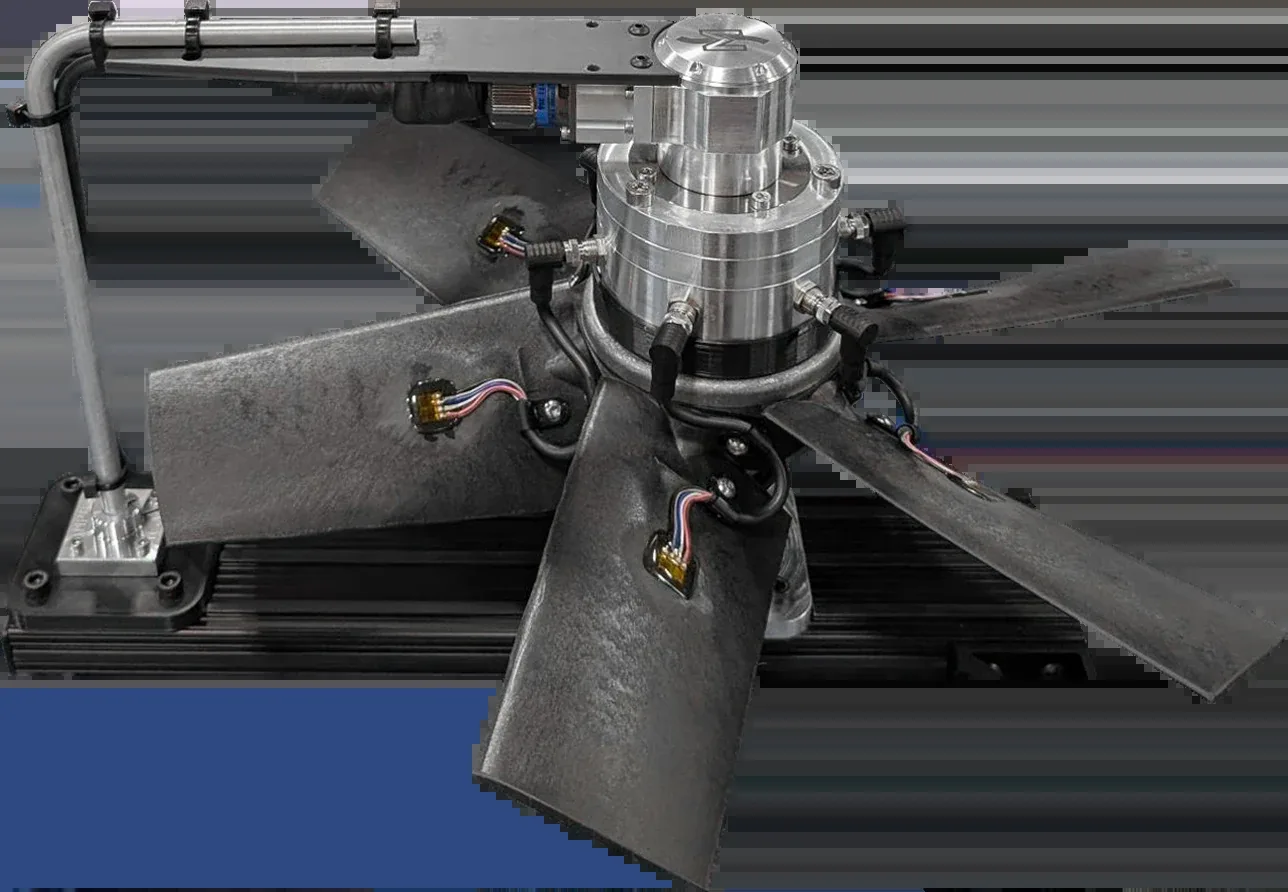 Turbines Fan and turbine blades Strain and temperature from many points on the blades, recorded together while the rotor turns.
A question on this product?
Describe the measurement. An application engineer answers.
More details to give? Use the full contact form.