
Passing Gigabit Ethernet through a slip ring spinning at 900 rpm
In brief
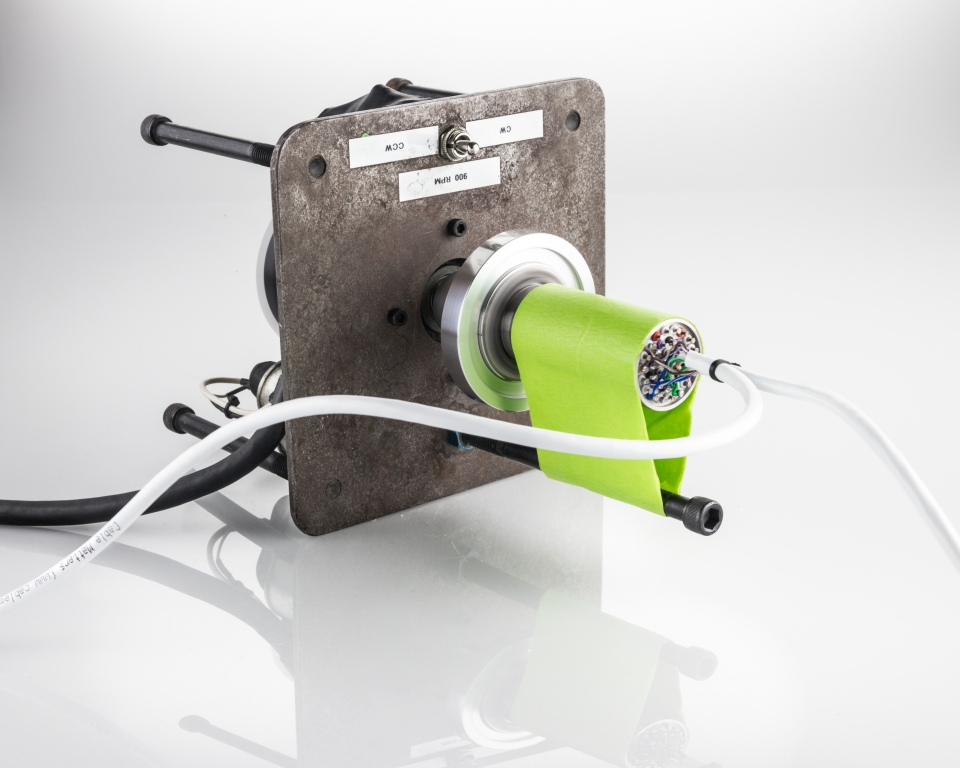
A customer asked for a slip ring assembly able to pass Gigabit Ethernet to a rotating part. The link was validated on an SR36M, an end-of-shaft instrumentation slip ring with 36 circuits, spun on a motor at 900 rpm while a large file went from one computer to another through it. The transfer ran at 111 MB/s with no drop-out, and the received file was checked with an SHA-256 checksum.
- 111 MB/s
- file transfer rate through the slip ring
- 900 rpm
- rotation speed during the test
- 36
- circuits on the SR36M
Test setup
A slip ring passes power and signals to and from a rotating part through brushes riding on rings. The same contacts can carry a network link: the eight wires of an Ethernet cable take eight of the 36 circuits.
- 01
Cut the cable
A CAT 6 cable was cut in half.
- 02
Wire it through the rings
Each half was jumpered to the connections of the SR36M, one to the rotor terminals, the other to the stator terminals, to make the cable whole again through the rings.
- 03
Connect two computers
One end of the cable went to a laptop, the other to a PC.
- 04
Spin and transfer
The slip ring was spun at 900 rpm on a motor while a large file was transferred from one computer to the other.
SR Series slip rings
Slip ring
The SR36M is a standard instrumentation slip ring, of the kind used for strain gage and thermocouple signals. Its rings and brushes are precious metals, which keeps the resistance variation across each contact to 0.1 Ω peak.
| Model | SR36M, end of shaft, stainless steel case sealed against dust |
|---|---|
| Circuits | 36, 250 mA each |
| Speed rating | 2 400 rpm; 2 000 rpm with contacting seals |
| Peak noise | 0.1 Ω resistance variation across a contact |
| Connections | color-coded solder terminals on rotor and stator |
| Size | 91 mm long, 255 g; −40 to 121 °C |
What the transfer showed
The file went through the slip ring with no signal drop-out and no error. The transfer ran at 111 MB/s and the received file was checked against the original with an SHA-256 checksum.
Result
A standard instrumentation slip ring, the SR36M, carried a Gigabit Ethernet link at 900 rpm with no drop-out and no error. Another signal type can be validated the same way, on the bench, before the test.
Frequent questions
Can a slip ring carry Gigabit Ethernet?
In this validation, an SR36M with 36 circuits passed a Gigabit Ethernet link while spinning at 900 rpm, with no drop-out and no error.
What data rate was reached through the slip ring?
111 MB/s at 900 rpm. The received file was checked with an SHA-256 checksum.
How is an Ethernet cable wired through a slip ring?
The CAT 6 cable was cut in half and each half was jumpered to the terminals of the slip ring, one to the rotor, the other to the stator.
Was a special Ethernet slip ring used?
No. The test used a standard SR36M instrumentation slip ring, 36 circuits rated 250 mA, 2 400 rpm.
Similar applications
All applications-
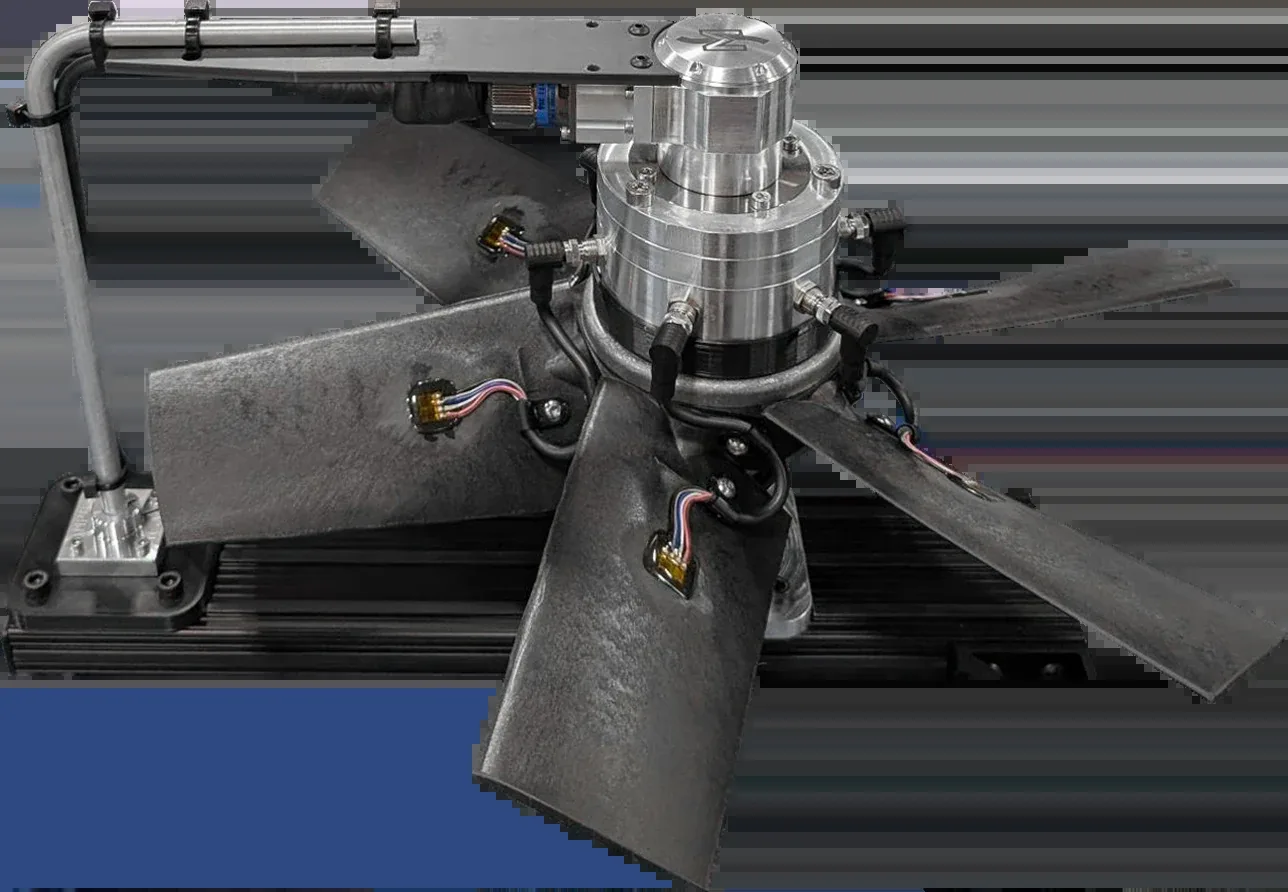 Turbines Fan and turbine blades Strain and temperature from many points on the blades, recorded together while the rotor turns.
-
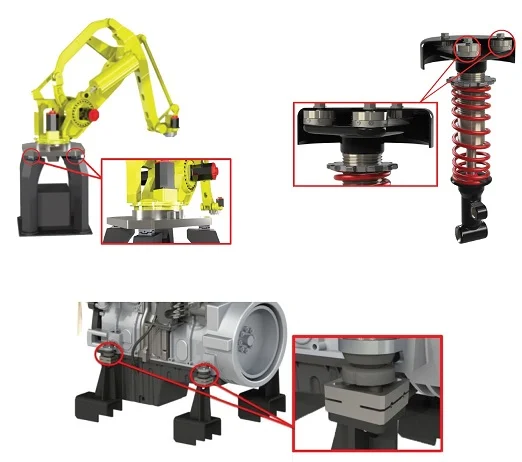 Rig Force and moment load platform Net forces and net moments on a system, calculated from four three-axis load cells.
-
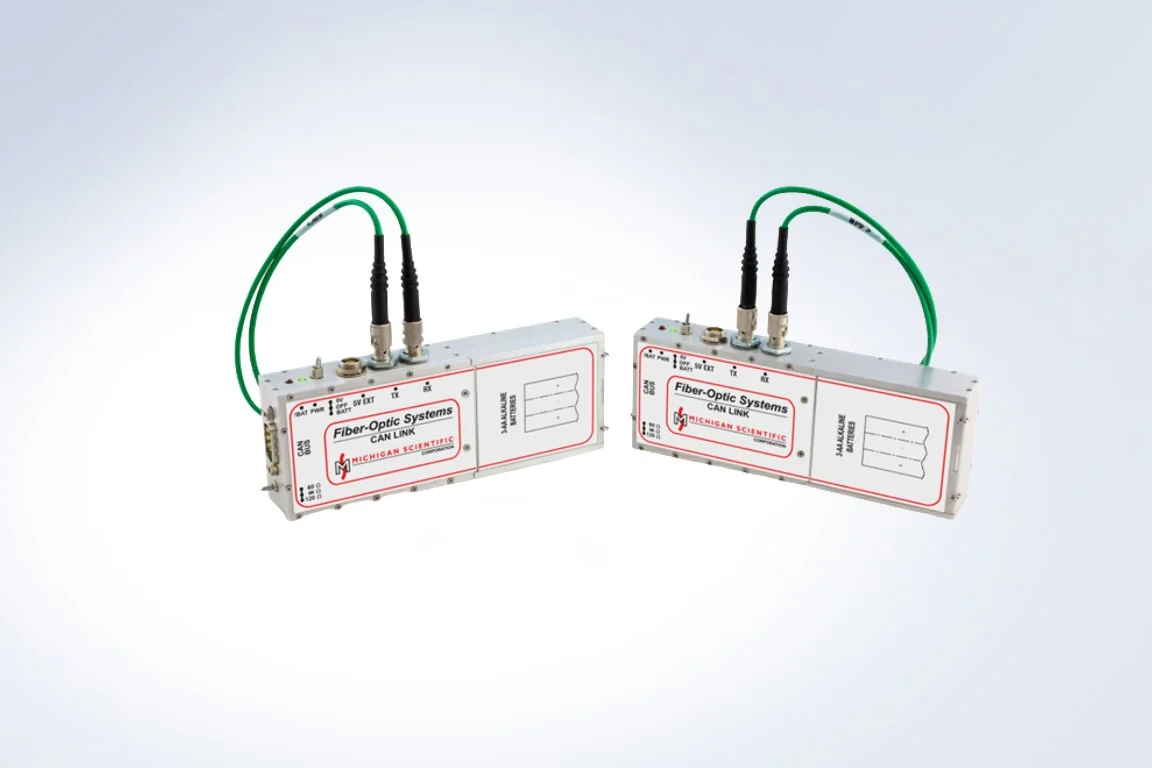 EMC EMC and BCI testing The signals of the equipment under test, carried over fiber so the field does not corrupt them.