
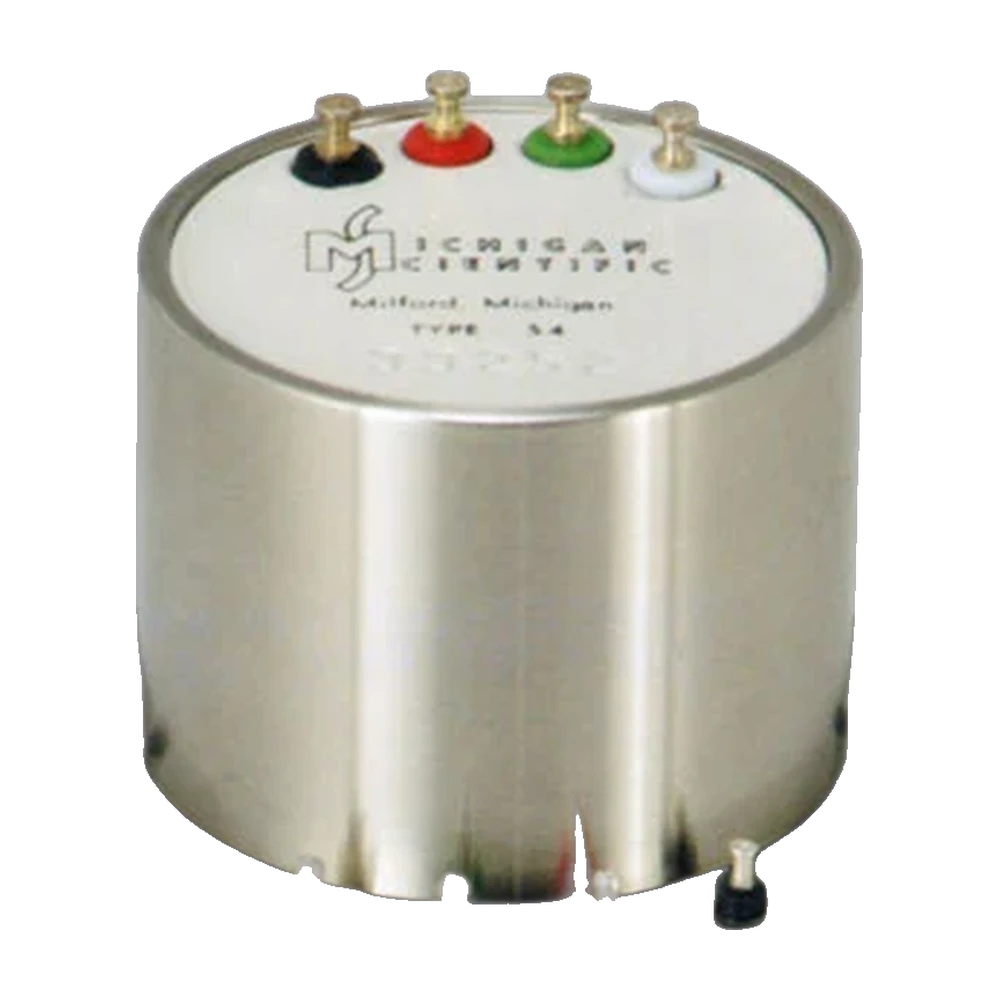
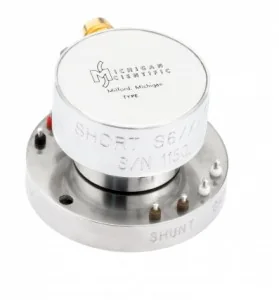
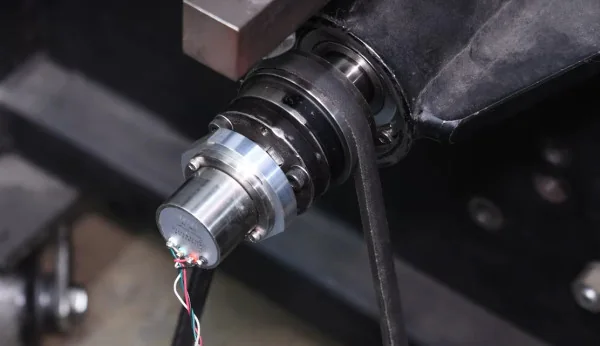
S-Series end-of-shaft slip rings
Four-circuit end-of-shaft slip ring for low-level signals: strain gages, thermocouples, RTDs, accelerometers and low voltages.
Four-circuit end-of-shaft slip ring with a manual brush lifter, for low-level signals: strain gages, thermocouples, RTDs, accelerometers and low voltages.
Six-circuit end-of-shaft slip ring for low-level signals: strain gages, thermocouples, RTDs, accelerometers and low voltages.
Six-circuit end-of-shaft slip ring with a precision strain gage amplifier built into the rotor.
Six-circuit end-of-shaft slip ring with three thermocouple amplifiers built into the rotor.
Six-circuit end-of-shaft slip ring with a 50.8 mm rotor, for low-level signals: strain gages, thermocouples, RTDs, accelerometers and low voltages.
Eight-circuit end-of-shaft slip ring for low-level signals: strain gages, thermocouples, RTDs, accelerometers and low voltages.
Eight-circuit end-of-shaft slip ring with two strain gage amplifiers built into the rotor.
Ten-circuit end-of-shaft slip ring for low-level signals: strain gages, thermocouples, RTDs, accelerometers and low voltages.
Ten-circuit end-of-shaft slip ring with a 50.8 mm rotor, for low-level signals: strain gages, thermocouples, RTDs, accelerometers and low voltages.
Ten-circuit end-of-shaft slip ring with grooved rings and lube oil holes, rated to 20 000 rpm.
Ten-circuit end-of-shaft slip ring on a 50.8 mm rotor, with grooved rings and lube oil holes, rated to 20 000 rpm.
Weatherproof ten-circuit end-of-shaft slip ring, rated to 15 000 rpm.
Model S10
- 4
- Circuits
- 12 000 rpm
- Max speed
- 41.28 mm
- Rotor diameter
- 30 mm · 111 g
- Length · weight
- 4
- Circuits
- 12 000 rpm
- Max speed
- 41.28 mm
- Rotor diameter
- 33 mm · 111 g
- Length · weight
- 6
- Circuits
- 12 000 rpm
- Max speed
- 41.28 mm
- Rotor diameter
- 33 mm · 113 g
- Length · weight
- 6
- Circuits
- 12 000 rpm
- Max speed
- 41.28 mm
- Rotor diameter
- 36 mm · 130 g
- Length · weight
- 6
- Circuits
- 12 000 rpm
- Max speed
- 41.28 mm
- Rotor diameter
- 28 mm · 75 g
- Length · weight
- 6
- Circuits
- 12 000 rpm
- Max speed
- 50.8 mm
- Rotor diameter
- 36 mm
- Length
- 8
- Circuits
- 12 000 rpm
- Max speed
- 41.28 mm
- Rotor diameter
- 38 mm · 116 g
- Length · weight
- 8
- Circuits
- 12 000 rpm
- Max speed
- 41.28 mm
- Rotor diameter
- 41 mm · 150 g
- Length · weight
- 10
- Circuits
- 12 000 rpm
- Max speed
- 41.28 mm
- Rotor diameter
- 38 mm · 119 g
- Length · weight
- 10
- Circuits
- 12 000 rpm
- Max speed
- 50.8 mm
- Rotor diameter
- 37.6 mm
- Length
- 10
- Circuits
- 20 000 rpm
- Max speed
- 41.28 mm
- Rotor diameter
- 41 mm · 100 g
- Length · weight
- 10
- Circuits
- 20 000 rpm
- Max speed
- 50.8 mm
- Rotor diameter
- 41 mm · 100 g
- Length · weight
- 10
- Circuits
- 15 000 rpm
- Max speed
- 63.5 mm
- Rotor diameter
- 41 mm · 100 g
- Length · weight
- Operating temperature−40 to 121 °C
- Max current per circuit500 mA
- Length30 mm
- Operating temperature−40 to 121 °C
- Max current per circuit500 mA
- Length33 mm
- Operating temperature−40 to 121 °C
- Max current per circuit500 mA
- Length33 mm
- Operating temperature−40 to 121 °C
- Max current per circuit500 mA
- Length36 mm
- Operating temperature−40 to 121 °C
- Max current per circuit500 mA
- Length28 mm
- Operating temperature−40 to 121 °C
- Max current per circuit500 mA
- Operating temperature−40 to 121 °C
- Max current per circuit500 mA
- Length38 mm
- Operating temperature−40 to 121 °C
- Max current per circuit500 mA
- Length41 mm
- Operating temperature−40 to 121 °C
- Max current per circuit500 mA
- Length38 mm
- Operating temperature−40 to 121 °C
- Max current per circuit500 mA
- Operating temperature−40 to 121 °C
- Max current per circuit500 mA
- Length41 mm
- Operating temperature−40 to 121 °C
- Max current per circuit500 mA
- Length41 mm
- Operating temperature−40 to 121 °C
- Max current per circuit500 mA
- Length41 mm
Four-circuit end-of-shaft slip ring
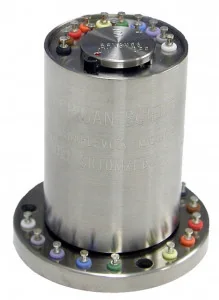
The S4 is an end-of-shaft slip ring with four circuits rated at 500 mA. It mounts on the free end of a rotating shaft and carries strain gages, thermocouples, RTDs, accelerometers and low voltages from rotor to stator. Precious metal rings and brushes limit the contact resistance variation to 0.1 Ω peak. The stainless steel case is sealed against dust, the bearings are lubricated for life, and color-coded solder terminals sit on both rotor and stator. With a 41.28 mm rotor, it is 30 mm long and weighs 111 g; it runs up to 12 000 rpm, from −40 to 121 °C, and a low-temperature lubricant is available below −18 °C. It is the shortest model of the series.
The rotor flange is mounted concentric and perpendicular to the axis of rotation, either directly on a machined shaft end or through a rotor adapter, with a total indicated runout of no more than 0.025 mm (0.001 in) axially and radially. The stator is held by a flexible restraint, the S-Series restraint kit (up to 112 °C) or a worm gear clamp with a spring, never by its wires or cable. Stranded instrumentation wires, 28 or 30 AWG and 24 AWG at most, run along the shaft or through its bore and are secured to it before being soldered to the rotor terminals.
The S-Series is used, for example, to measure the torque of a gaged accessory belt pulley on an engine, or of gaged gears and gearboxes.
Four-circuit end-of-shaft slip ring with brush lifter
The S4CF is the S4 end-of-shaft slip ring fitted with a manual brush lifter. Between measurements, the brushes are lifted off the rings, so the contacts do not wear while the shaft keeps turning. It carries four circuits rated at 500 mA through precious metal rings and brushes; with a 41.28 mm rotor, it is 33 mm long, weighs 111 g and runs up to 12 000 rpm.
The rotor flange is mounted concentric and perpendicular to the axis of rotation, either directly on a machined shaft end or through a rotor adapter, with a total indicated runout of no more than 0.025 mm (0.001 in) axially and radially. The stator is held by a flexible restraint, the S-Series restraint kit (up to 112 °C) or a worm gear clamp with a spring, never by its wires or cable. Stranded instrumentation wires, 28 or 30 AWG and 24 AWG at most, run along the shaft or through its bore and are secured to it before being soldered to the rotor terminals.
It carries the same signals as the S4, for example for the torque of a gaged accessory belt pulley on an engine.
Six-circuit end-of-shaft slip ring
The S6 is an end-of-shaft slip ring with six circuits rated at 500 mA. It mounts on the free end of a rotating shaft and carries strain gages, thermocouples, RTDs, accelerometers and low voltages from rotor to stator. Precious metal rings and brushes limit the contact resistance variation to 0.1 Ω peak. The stainless steel case is sealed against dust, the bearings are lubricated for life, and color-coded solder terminals sit on both rotor and stator. With a 41.28 mm rotor, it is 33 mm long and weighs 113 g; it runs up to 12 000 rpm, from −40 to 121 °C, and a low-temperature lubricant is available below −18 °C. It is also the base of the S6/G and S6/TC3, which add amplifiers in the rotor.
The rotor flange is mounted concentric and perpendicular to the axis of rotation, either directly on a machined shaft end or through a rotor adapter, with a total indicated runout of no more than 0.025 mm (0.001 in) axially and radially. The stator is held by a flexible restraint, the S-Series restraint kit (up to 112 °C) or a worm gear clamp with a spring, never by its wires or cable. Stranded instrumentation wires, 28 or 30 AWG and 24 AWG at most, run along the shaft or through its bore and are secured to it before being soldered to the rotor terminals.
The S-Series is used, for example, to measure brake disc temperature while driving, electric motor rotor temperature at the end of the motor shaft, or the torque of gaged pulleys and gears.
End-of-shaft slip ring with rotor-mounted strain gage amplifier
The S6/G combines the S6 slip ring with a precision strain gage amplifier built into its rotor, so the bridge is excited and its signal amplified on the rotating side, close to the gages. The amplifier provides a low-drift 5 or 10 V bridge excitation for bridges of 350 Ω and above, a gain of 100 to 2 000 V/V set externally, and a 10 V full-scale output, with a bandwidth of 40 kHz as standard and up to 200 kHz at a gain of 100.
The rotor flange is mounted concentric and perpendicular to the axis of rotation, either directly on a machined shaft end or through a rotor adapter, with a total indicated runout of no more than 0.025 mm (0.001 in) axially and radially. The stator is held by a flexible restraint, the S-Series restraint kit (up to 112 °C) or a worm gear clamp with a spring, never by its wires or cable. Stranded instrumentation wires, 28 or 30 AWG and 24 AWG at most, run along the shaft or through its bore and are secured to it before being soldered to the rotor terminals. The amplifier is powered with ±15 V and a common through the slip ring; applying +15 V to the calibration pin switches in the shunt calibration resistor, adjustable from 100 kΩ to 1 MΩ, and the bridge excitation can be switched on and off remotely.
It is used on one strain gage channel, for example to measure the torque of a gaged shaft, pulley or gear.
End-of-shaft slip ring with rotor-mounted thermocouple amplifiers
The S6/TC3 combines a six-circuit S-Series slip ring with three thermocouple amplifiers built into its rotor, so three thermocouple signals are amplified on the rotating side, before the rings. With a 41.28 mm rotor, it is 28 mm long, weighs 75 g and runs up to 12 000 rpm, from −40 to 121 °C.
The rotor flange is mounted concentric and perpendicular to the axis of rotation, either directly on a machined shaft end or through a rotor adapter, with a total indicated runout of no more than 0.025 mm (0.001 in) axially and radially. The stator is held by a flexible restraint, the S-Series restraint kit (up to 112 °C) or a worm gear clamp with a spring, never by its wires or cable. Stranded instrumentation wires, 28 or 30 AWG and 24 AWG at most, run along the shaft or through its bore and are secured to it before being soldered to the rotor terminals. Because the thermocouples are amplified on the rotor, the temperature difference between rotor and stator terminals, which affects thermocouples wired directly through a slip ring, stays out of the measurement.
It is used, for example, to measure brake disc temperature while driving, or electric motor rotor temperature at the end of the motor shaft.
Six-circuit end-of-shaft slip ring, 50.8 mm rotor
The S6M is the six-circuit S-Series end-of-shaft slip ring built on a 50.8 mm rotor instead of 41.28 mm. It carries six circuits rated at 500 mA from rotor to stator. Precious metal rings and brushes limit the contact resistance variation to 0.1 Ω peak. The stainless steel case is sealed against dust, the bearings are lubricated for life, and color-coded solder terminals sit on both rotor and stator. It is 36 mm long and runs up to 12 000 rpm, from −40 to 121 °C.
The rotor flange is mounted concentric and perpendicular to the axis of rotation, either directly on a machined shaft end or through a rotor adapter, with a total indicated runout of no more than 0.025 mm (0.001 in) axially and radially. The stator is held by a flexible restraint, the S-Series restraint kit (up to 112 °C) or a worm gear clamp with a spring, never by its wires or cable. Stranded instrumentation wires, 28 or 30 AWG and 24 AWG at most, run along the shaft or through its bore and are secured to it before being soldered to the rotor terminals.
The S-Series is used, for example, to measure brake disc temperature while driving, electric motor rotor temperature at the end of the motor shaft, or the torque of gaged pulleys and gears.
Eight-circuit end-of-shaft slip ring
The S8 is an end-of-shaft slip ring with eight circuits rated at 500 mA. It mounts on the free end of a rotating shaft and carries strain gages, thermocouples, RTDs, accelerometers and low voltages from rotor to stator. Precious metal rings and brushes limit the contact resistance variation to 0.1 Ω peak. The stainless steel case is sealed against dust, the bearings are lubricated for life, and color-coded solder terminals sit on both rotor and stator. With a 41.28 mm rotor, it is 38 mm long and weighs 116 g; it runs up to 12 000 rpm, from −40 to 121 °C, and a low-temperature lubricant is available below −18 °C. It is also the base of the S8/2Gx, which adds two amplifiers in the rotor.
The rotor flange is mounted concentric and perpendicular to the axis of rotation, either directly on a machined shaft end or through a rotor adapter, with a total indicated runout of no more than 0.025 mm (0.001 in) axially and radially. The stator is held by a flexible restraint, the S-Series restraint kit (up to 112 °C) or a worm gear clamp with a spring, never by its wires or cable. Stranded instrumentation wires, 28 or 30 AWG and 24 AWG at most, run along the shaft or through its bore and are secured to it before being soldered to the rotor terminals.
The S-Series is used, for example, to measure the torque of gaged pulleys, gears and gearboxes, as on a combine harvester, or the temperature of rotating parts with thermocouples.
End-of-shaft slip ring with two rotor-mounted strain gage amplifiers
The S8/2Gx combines an eight-circuit S-Series slip ring with two strain gage amplifiers built into its rotor, so two bridge signals are amplified on the rotating side, close to the gages. With a 41.28 mm rotor, it is 41 mm long, weighs 150 g and runs up to 12 000 rpm.
The rotor flange is mounted concentric and perpendicular to the axis of rotation, either directly on a machined shaft end or through a rotor adapter, with a total indicated runout of no more than 0.025 mm (0.001 in) axially and radially. The stator is held by a flexible restraint, the S-Series restraint kit (up to 112 °C) or a worm gear clamp with a spring, never by its wires or cable. Stranded instrumentation wires, 28 or 30 AWG and 24 AWG at most, run along the shaft or through its bore and are secured to it before being soldered to the rotor terminals.
It is used on two strain gage channels on the same rotating part, for example a gaged shaft, pulley or gear.
Ten-circuit end-of-shaft slip ring
The S10 is an end-of-shaft slip ring with ten circuits rated at 500 mA. It mounts on the free end of a rotating shaft and carries strain gages, thermocouples, RTDs, accelerometers and low voltages from rotor to stator. Precious metal rings and brushes limit the contact resistance variation to 0.1 Ω peak. The stainless steel case is sealed against dust, the bearings are lubricated for life, and color-coded solder terminals sit on both rotor and stator. With a 41.28 mm rotor, it is 38 mm long and weighs 119 g; it runs up to 12 000 rpm, from −40 to 121 °C, and a low-temperature lubricant is available below −18 °C. It is the base of the 50.8 mm rotor, high-speed and weatherproof versions.
The rotor flange is mounted concentric and perpendicular to the axis of rotation, either directly on a machined shaft end or through a rotor adapter, with a total indicated runout of no more than 0.025 mm (0.001 in) axially and radially. The stator is held by a flexible restraint, the S-Series restraint kit (up to 112 °C) or a worm gear clamp with a spring, never by its wires or cable. Stranded instrumentation wires, 28 or 30 AWG and 24 AWG at most, run along the shaft or through its bore and are secured to it before being soldered to the rotor terminals.
The S-Series is used, for example, on the end of a deep-bore gaged truck axle, on electric motor shafts for rotor temperature, or on gaged pulleys and gears.
Ten-circuit end-of-shaft slip ring, 50.8 mm rotor
The S10M/V is the ten-circuit S-Series end-of-shaft slip ring built on a 50.8 mm rotor instead of 41.28 mm. It carries ten circuits rated at 500 mA from rotor to stator. Precious metal rings and brushes limit the contact resistance variation to 0.1 Ω peak. The stainless steel case is sealed against dust, the bearings are lubricated for life, and color-coded solder terminals sit on both rotor and stator. It is 37.6 mm long and runs up to 12 000 rpm, from −40 to 121 °C.
The rotor flange is mounted concentric and perpendicular to the axis of rotation, either directly on a machined shaft end or through a rotor adapter, with a total indicated runout of no more than 0.025 mm (0.001 in) axially and radially. The stator is held by a flexible restraint, the S-Series restraint kit (up to 112 °C) or a worm gear clamp with a spring, never by its wires or cable. Stranded instrumentation wires, 28 or 30 AWG and 24 AWG at most, run along the shaft or through its bore and are secured to it before being soldered to the rotor terminals.
The S-Series is used, for example, on the end of a deep-bore gaged truck axle, on electric motor shafts for rotor temperature, or on gaged pulleys and gears.
High-speed ten-circuit end-of-shaft slip ring
The S10/15K09/LHV is the S10 end-of-shaft slip ring built for high speed: its rings are grooved, it has lube oil holes, and it is rated to 20 000 rpm, against 12 000 rpm for the standard S10. With a 41.28 mm rotor, it is 41 mm long and weighs 100 g.
The rotor flange is mounted concentric and perpendicular to the axis of rotation, either directly on a machined shaft end or through a rotor adapter, with a total indicated runout of no more than 0.025 mm (0.001 in) axially and radially. The stator is held by a flexible restraint, the S-Series restraint kit (up to 112 °C) or a worm gear clamp with a spring, never by its wires or cable. Stranded instrumentation wires, 28 or 30 AWG and 24 AWG at most, run along the shaft or through its bore and are secured to it before being soldered to the rotor terminals. At high speed, the runout limit is essential: a rotor that is not concentric and perpendicular causes vibrations that load the contacts unevenly, degrade the signal and shorten the life of the slip ring.
It carries the same signals as the S10, strain gages, thermocouples, RTDs, accelerometers and low voltages, on shafts that turn faster than 12 000 rpm.
High-speed ten-circuit end-of-shaft slip ring, 50.8 mm rotor
The S10M/15K09/LHV is the high-speed S10 built on a 50.8 mm rotor instead of 41.28 mm. Its rings are grooved, it has lube oil holes, and it is rated to 20 000 rpm. It is 41 mm long and weighs 100 g.
The rotor flange is mounted concentric and perpendicular to the axis of rotation, either directly on a machined shaft end or through a rotor adapter, with a total indicated runout of no more than 0.025 mm (0.001 in) axially and radially. The stator is held by a flexible restraint, the S-Series restraint kit (up to 112 °C) or a worm gear clamp with a spring, never by its wires or cable. Stranded instrumentation wires, 28 or 30 AWG and 24 AWG at most, run along the shaft or through its bore and are secured to it before being soldered to the rotor terminals. At high speed, the runout limit is essential: a rotor that is not concentric and perpendicular causes vibrations that load the contacts unevenly, degrade the signal and shorten the life of the slip ring.
It carries the same signals as the S10, strain gages, thermocouples, RTDs, accelerometers and low voltages, on shafts that turn faster than 12 000 rpm.
Weatherproof ten-circuit end-of-shaft slip ring
The S10/15K/W is the weatherproof version of the S10 end-of-shaft slip ring. It carries ten circuits through precious metal rings and brushes and is rated to 15 000 rpm; its rotor is 63.5 mm in diameter, it is 41 mm long and weighs 100 g.
The rotor flange is mounted concentric and perpendicular to the axis of rotation, either directly on a machined shaft end or through a rotor adapter, with a total indicated runout of no more than 0.025 mm (0.001 in) axially and radially. The stator is held by a flexible restraint, the S-Series restraint kit (up to 112 °C) or a worm gear clamp with a spring, never by its wires or cable. Stranded instrumentation wires, 28 or 30 AWG and 24 AWG at most, run along the shaft or through its bore and are secured to it before being soldered to the rotor terminals.
It carries the same signals as the S10, strain gages, thermocouples, RTDs, accelerometers and low voltages, on shafts exposed to the weather.
Specifications
| Circuits | 4 |
|---|---|
| Rotation sensor | None |
| Embedded amplifier | None |
| Current per circuit | 500 mA |
| Mounting | End of shaft |
| Max speed | 12 000 rpm |
| Rotor diameter | 41.28 mm |
| Dimensions | length 30 mm |
| Weight | 111 g |
| Operating temperature | −40 to 121 °C |
| Connections | Solder terminals (rotor and stator: solder terminals) |
| Circuits | 4 |
|---|---|
| Rotation sensor | None |
| Embedded amplifier | None |
| Current per circuit | 500 mA |
| Mounting | End of shaft |
| Max speed | 12 000 rpm |
| Rotor diameter | 41.28 mm |
| Brush lifter | Yes |
| Dimensions | length 33 mm |
| Weight | 111 g |
| Operating temperature | −40 to 121 °C |
| Connections | Solder terminals (rotor and stator: solder terminals) |
| Circuits | 6 |
|---|---|
| Rotation sensor | None |
| Embedded amplifier | None |
| Current per circuit | 500 mA |
| Mounting | End of shaft |
| Max speed | 12 000 rpm |
| Rotor diameter | 41.28 mm |
| Dimensions | length 33 mm |
| Weight | 113 g |
| Operating temperature | −40 to 121 °C |
| Connections | Solder terminals (rotor and stator: solder terminals) |
| Circuits | 6 |
|---|---|
| Rotation sensor | None |
| Embedded amplifier | Strain gage (1 amplifier) |
| Current per circuit | 500 mA |
| Mounting | End of shaft |
| Max speed | 12 000 rpm |
| Rotor diameter | 41.28 mm |
| Dimensions | length 36 mm |
| Weight | 130 g |
| Operating temperature | −40 to 121 °C |
| Connections | Solder terminals (rotor and stator: solder terminals) |
| Circuits | 6 |
|---|---|
| Rotation sensor | None |
| Embedded amplifier | Thermocouple (3 amplifiers) |
| Current per circuit | 500 mA |
| Mounting | End of shaft |
| Max speed | 12 000 rpm |
| Rotor diameter | 41.28 mm |
| Dimensions | length 28 mm |
| Weight | 75 g |
| Operating temperature | −40 to 121 °C |
| Connections | Solder terminals (rotor and stator: solder terminals) |
| Circuits | 6 |
|---|---|
| Rotation sensor | None |
| Embedded amplifier | None |
| Current per circuit | 500 mA |
| Mounting | End of shaft |
| Max speed | 12 000 rpm |
| Rotor diameter | 50.8 mm |
| Dimensions | length 36 mm |
| Operating temperature | −40 to 121 °C |
| Connections | Solder terminals (rotor and stator: solder terminals) |
| Circuits | 8 |
|---|---|
| Rotation sensor | None |
| Embedded amplifier | None |
| Current per circuit | 500 mA |
| Mounting | End of shaft |
| Max speed | 12 000 rpm |
| Rotor diameter | 41.28 mm |
| Dimensions | length 38 mm |
| Weight | 116 g |
| Operating temperature | −40 to 121 °C |
| Connections | Solder terminals (rotor and stator: solder terminals) |
| Circuits | 8 |
|---|---|
| Rotation sensor | None |
| Embedded amplifier | Strain gage (2 amplifiers) |
| Current per circuit | 500 mA |
| Mounting | End of shaft |
| Max speed | 12 000 rpm |
| Rotor diameter | 41.28 mm |
| Dimensions | length 41 mm |
| Weight | 150 g |
| Operating temperature | −40 to 121 °C |
| Connections | Solder terminals (rotor and stator: solder terminals) |
| Circuits | 10 |
|---|---|
| Rotation sensor | None |
| Embedded amplifier | None |
| Current per circuit | 500 mA |
| Mounting | End of shaft |
| Max speed | 12 000 rpm |
| Rotor diameter | 41.28 mm |
| Dimensions | length 38 mm |
| Weight | 119 g |
| Operating temperature | −40 to 121 °C |
| Connections | Solder terminals (rotor and stator: solder terminals) |
| Circuits | 10 |
|---|---|
| Rotation sensor | None |
| Embedded amplifier | None |
| Current per circuit | 500 mA |
| Mounting | End of shaft |
| Max speed | 12 000 rpm |
| Rotor diameter | 50.8 mm |
| Dimensions | length 37.6 mm |
| Operating temperature | −40 to 121 °C |
| Connections | Solder terminals (rotor and stator: solder terminals) |
| Circuits | 10 |
|---|---|
| Rotation sensor | None |
| Embedded amplifier | None |
| Current per circuit | 500 mA |
| Mounting | End of shaft |
| Max speed | 20 000 rpm |
| Rotor diameter | 41.28 mm |
| Lubrication | Oil (grooved rings, lube holes) |
| Dimensions | length 41 mm |
| Weight | 100 g |
| Operating temperature | −40 to 121 °C |
| Connections | Solder terminals (rotor and stator: solder terminals) |
| Circuits | 10 |
|---|---|
| Rotation sensor | None |
| Embedded amplifier | None |
| Current per circuit | 500 mA |
| Mounting | End of shaft |
| Max speed | 20 000 rpm |
| Rotor diameter | 50.8 mm |
| Lubrication | Oil (grooved rings, lube holes) |
| Dimensions | length 41 mm |
| Weight | 100 g |
| Operating temperature | −40 to 121 °C |
| Connections | Solder terminals (rotor and stator: solder terminals) |
| Circuits | 10 |
|---|---|
| Rotation sensor | None |
| Embedded amplifier | None |
| Current per circuit | 500 mA |
| Mounting | End of shaft |
| Max speed | 15 000 rpm |
| Rotor diameter | 63.5 mm |
| Dimensions | length 41 mm |
| Weight | 100 g |
| Operating temperature | −40 to 121 °C |
| Protection | Weatherproof |
| Connections | Solder terminals (rotor and stator: solder terminals) |
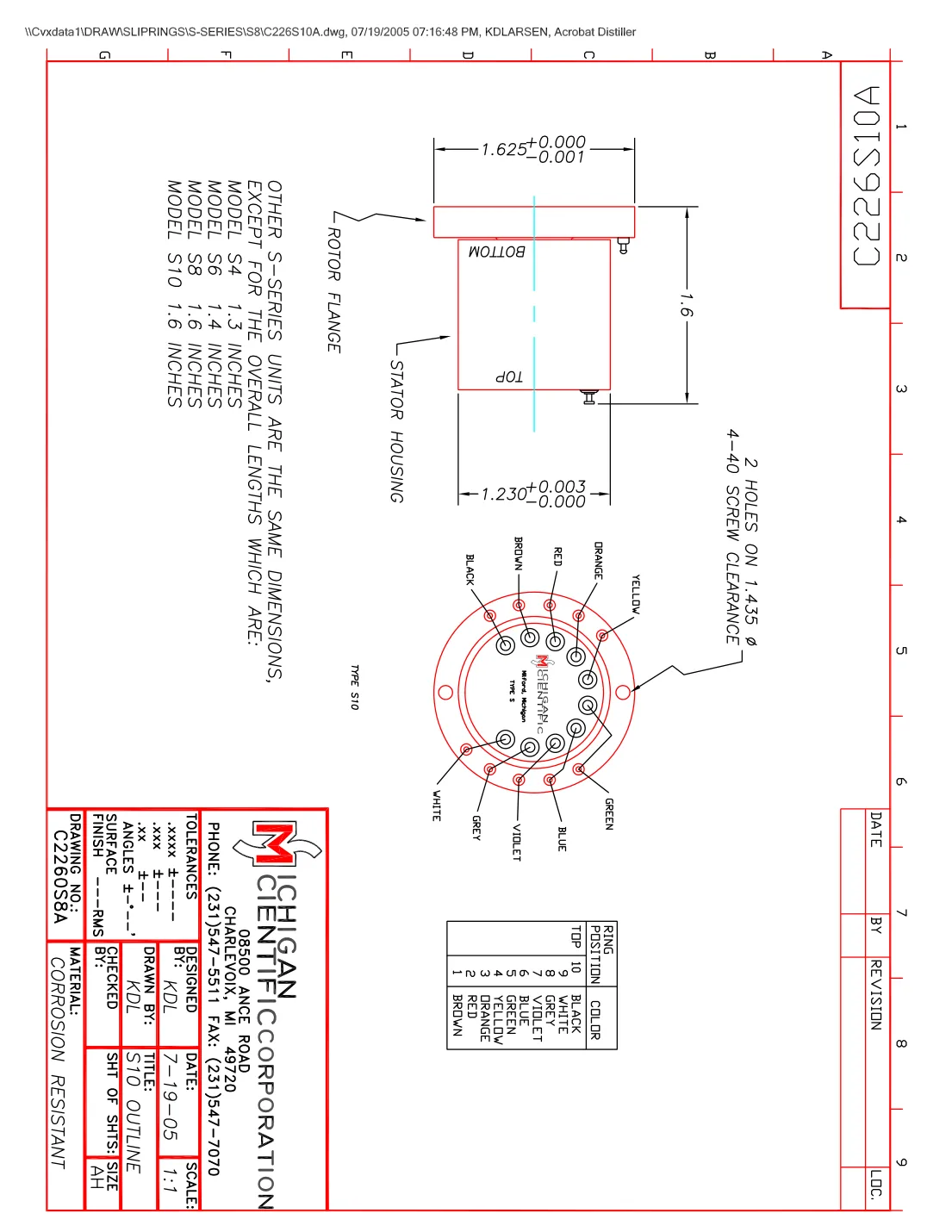
Resources
Datasheets and manuals
Drawings
CAD models
Datasheets and manuals
Drawings
CAD models
Datasheets and manuals
Drawings
CAD models
Datasheets and manuals
Drawings
CAD models
Datasheets and manuals
Drawings
CAD models
Datasheets and manuals
Drawings
CAD models
Datasheets and manuals
Drawings
CAD models
Datasheets and manuals
Drawings
CAD models
Datasheets and manuals
CAD models
Datasheets and manuals
CAD models
Datasheets and manuals
Drawings
CAD models
Datasheets and manuals
Drawings
CAD models
Datasheets and manuals
CAD models
Related applications
-
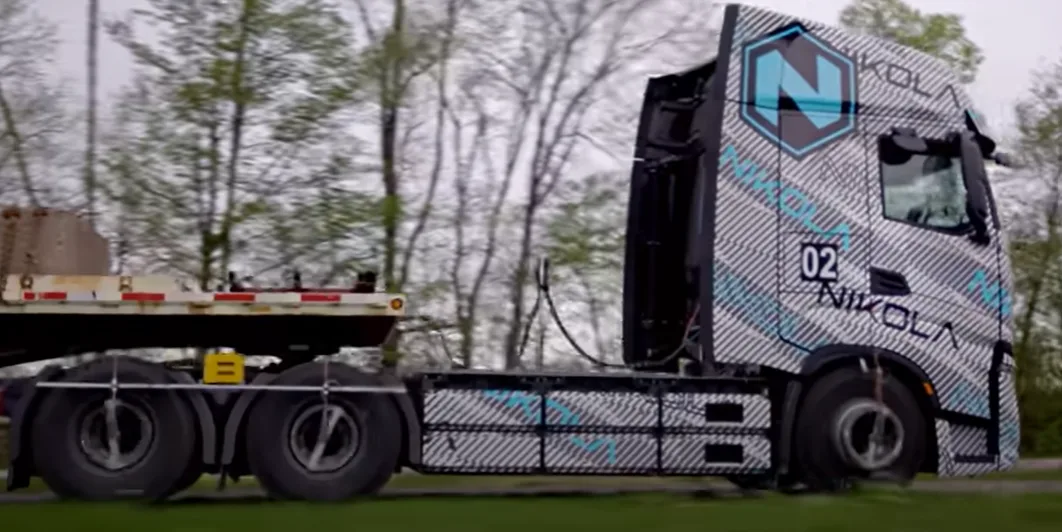 Powertrain Truck solid axle torque Drive torque on a truck solid axle, read by strain gages inside the shaft and brought out at the wheel.
-
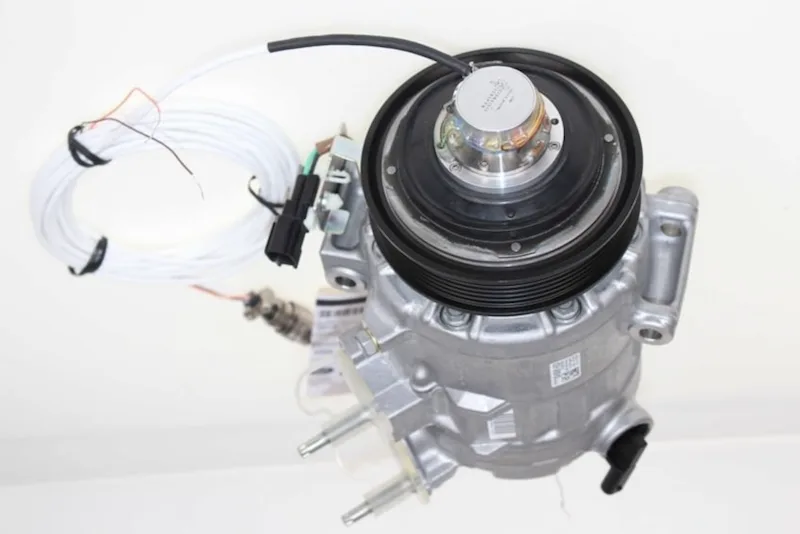 Powertrain Accessory belt pulley torque Torque on an accessory drive pulley, from a strain gage bridge on the pulley and a slip ring on the shaft end.
-
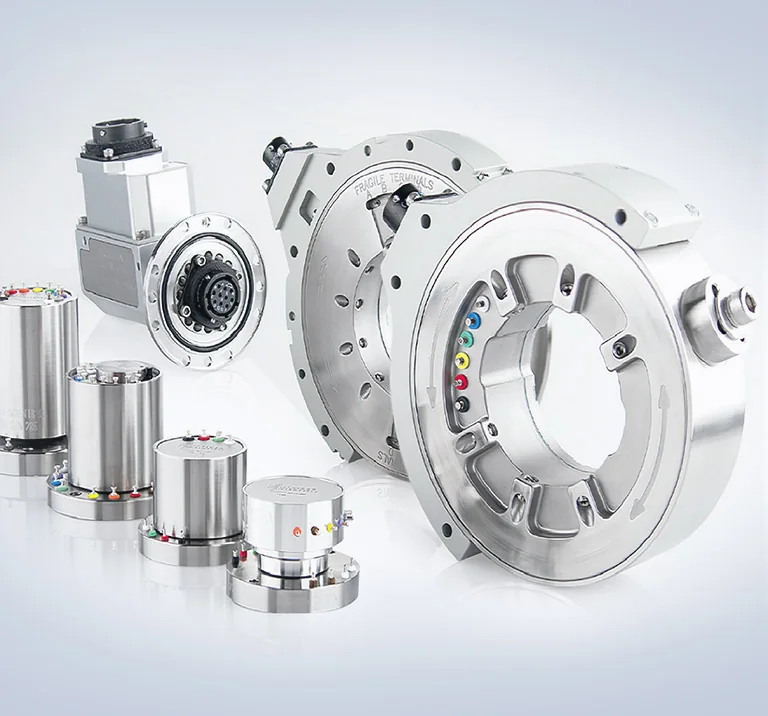 Electric Temperature in electric vehicles Temperatures on the rotating parts of an electric motor, brought out by a slip ring with amplifiers in its rotor.
-
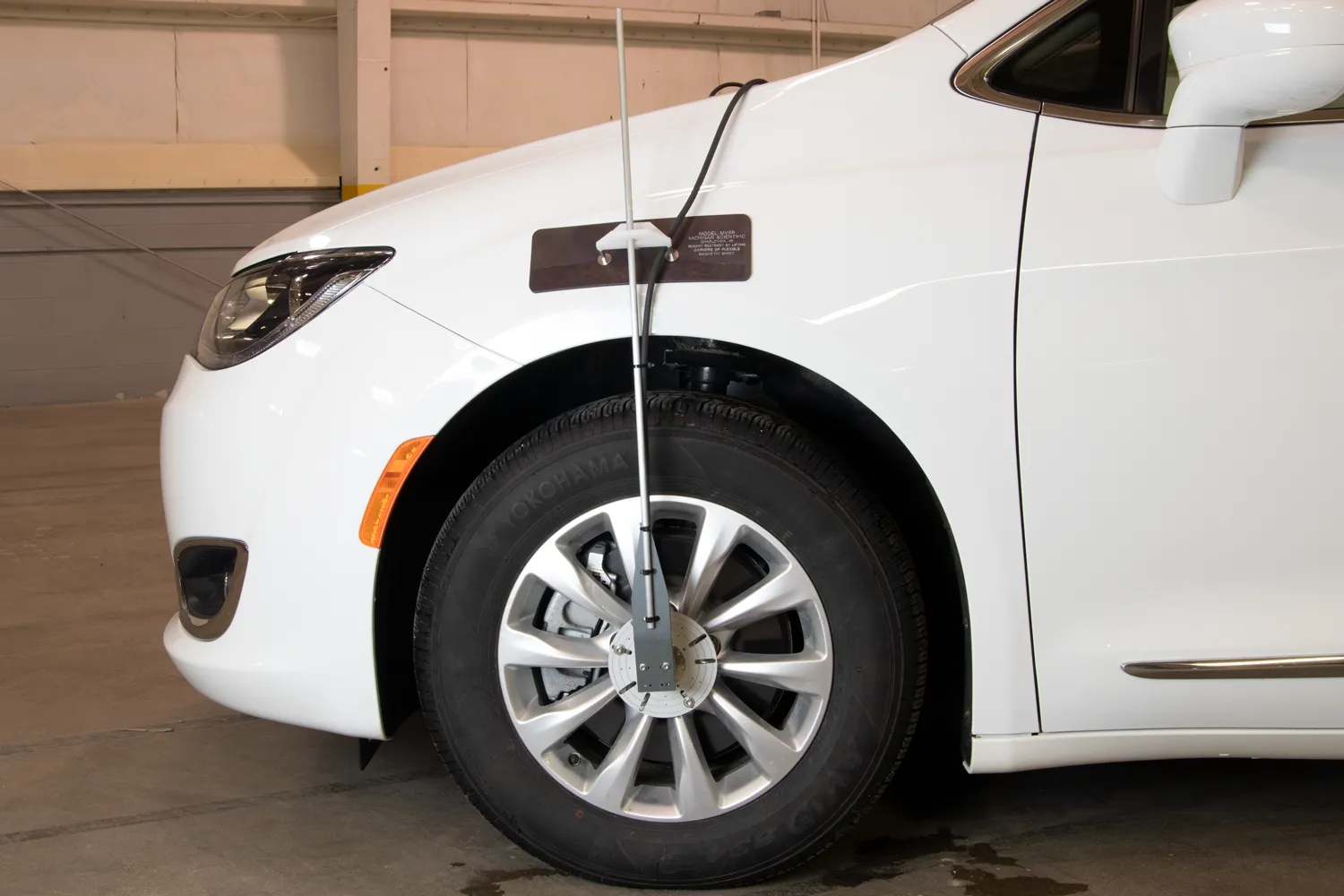 Temperature Temperature on rotating parts The temperature of a bearing, a compressor or a brake rotor, read while the part rotates under load.
If the S-Series is not the one
- Wheel angle as well SR/E60 Series
4 to 10 circuits with a 60 ppr encoder.
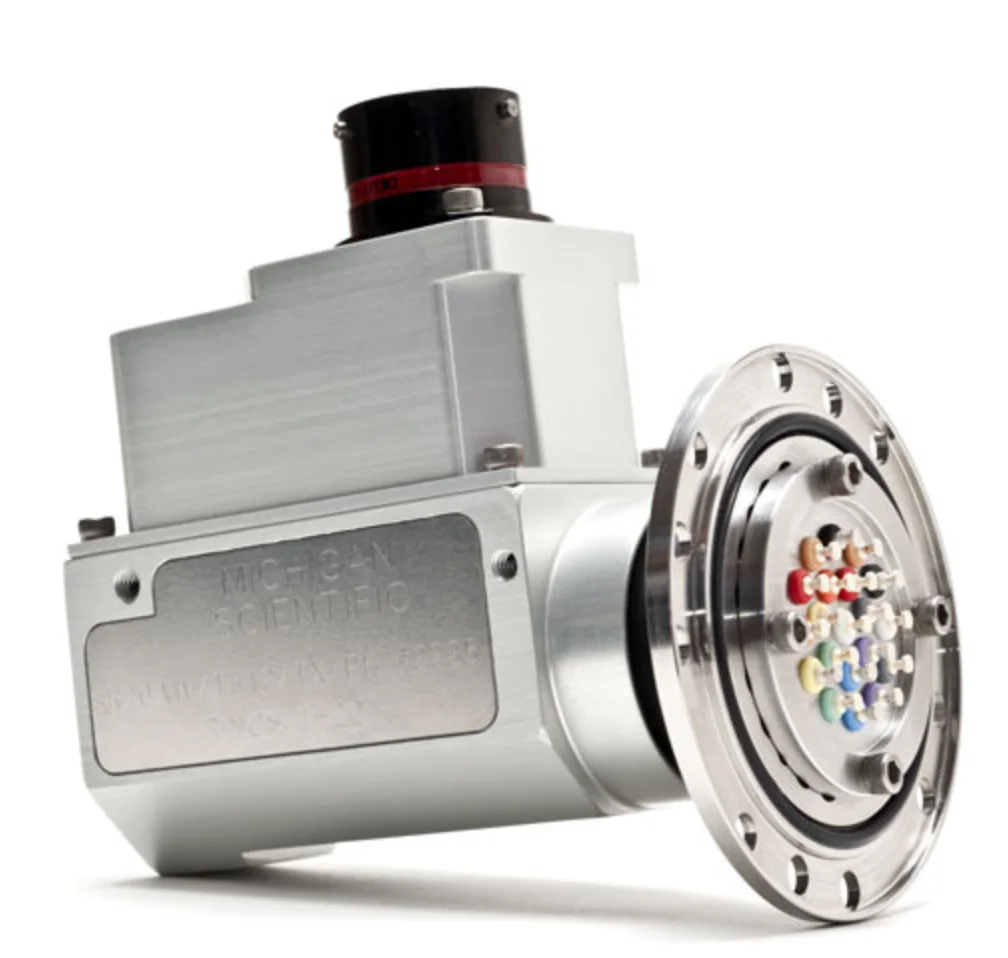
- More circuits SR/ERT Series
Modular, 10 to 36 circuits, with encoder.
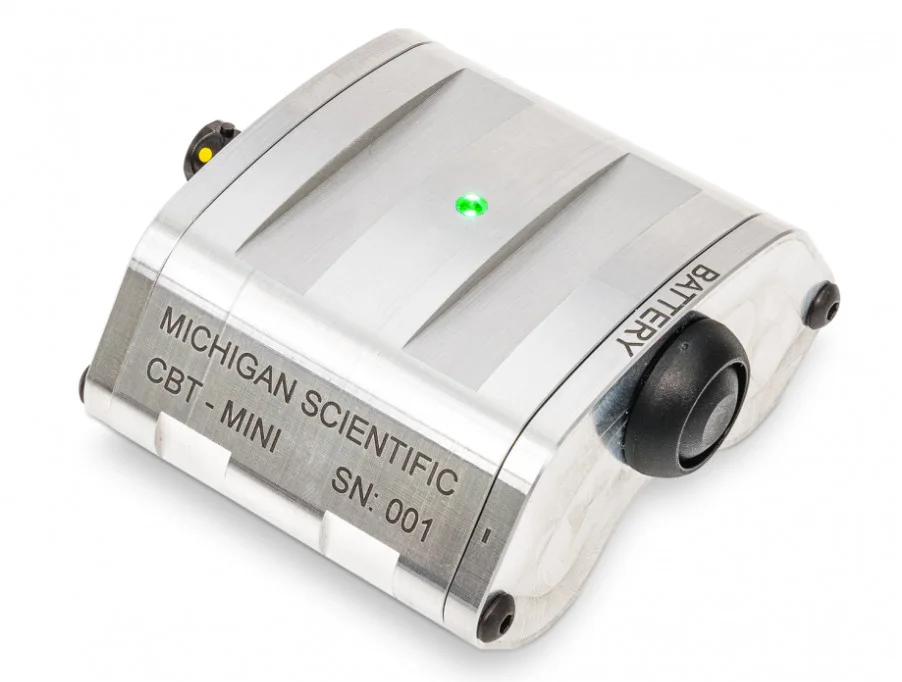
- No free shaft end CBT-mini clamp-on battery telemetry
A clamp-on transmitter, no contact.
A question on this product?
Shaft end, speed, circuits, signals. An application engineer answers.
More details to give? Use the full contact form.