
Wireless telemetry
Torque on a shaft you cannot wire: half shafts, propshafts, dyno couplings.
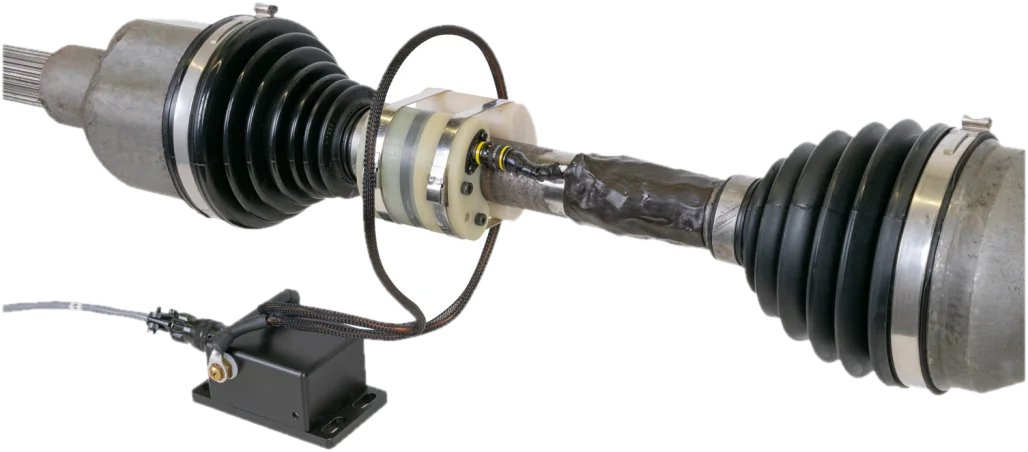
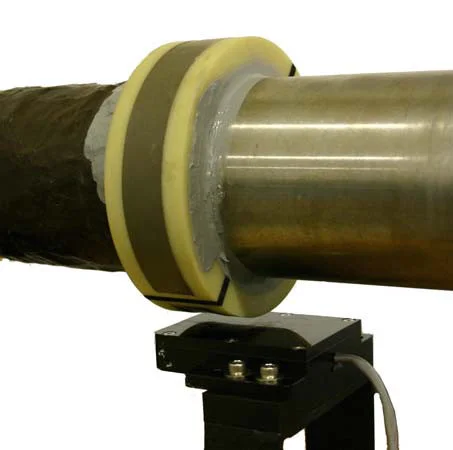
The transmitter rides on the shaft, digitizes the strain gage or thermocouple signal and sends it by radio, with error checking. Clamp-on transmitters strap to shafts from 25 mm, the TEL-SC split collar closes around shafts from 23 mm. Induction power for long tests, battery when space is short.
- 1 to 12
- channels per system (12 on TEL-SC hoops over 76 mm)
- 25 mm
- smallest shaft for a clamp-on transmitter
- 48 h
- battery life, CBT with one bridge
- 2.4 GHz
- digital link with error checking
The signal crosses as data, not as voltage.
No contact between the rotating and the stationary side. Three elements carry the measurement across the gap.
On a shaft you cannot wire, the measurement is digitized on the shaft and sent by radio. The receiver checks the data for errors, so no voltage noise is picked up between shaft and recorder.
Advantages
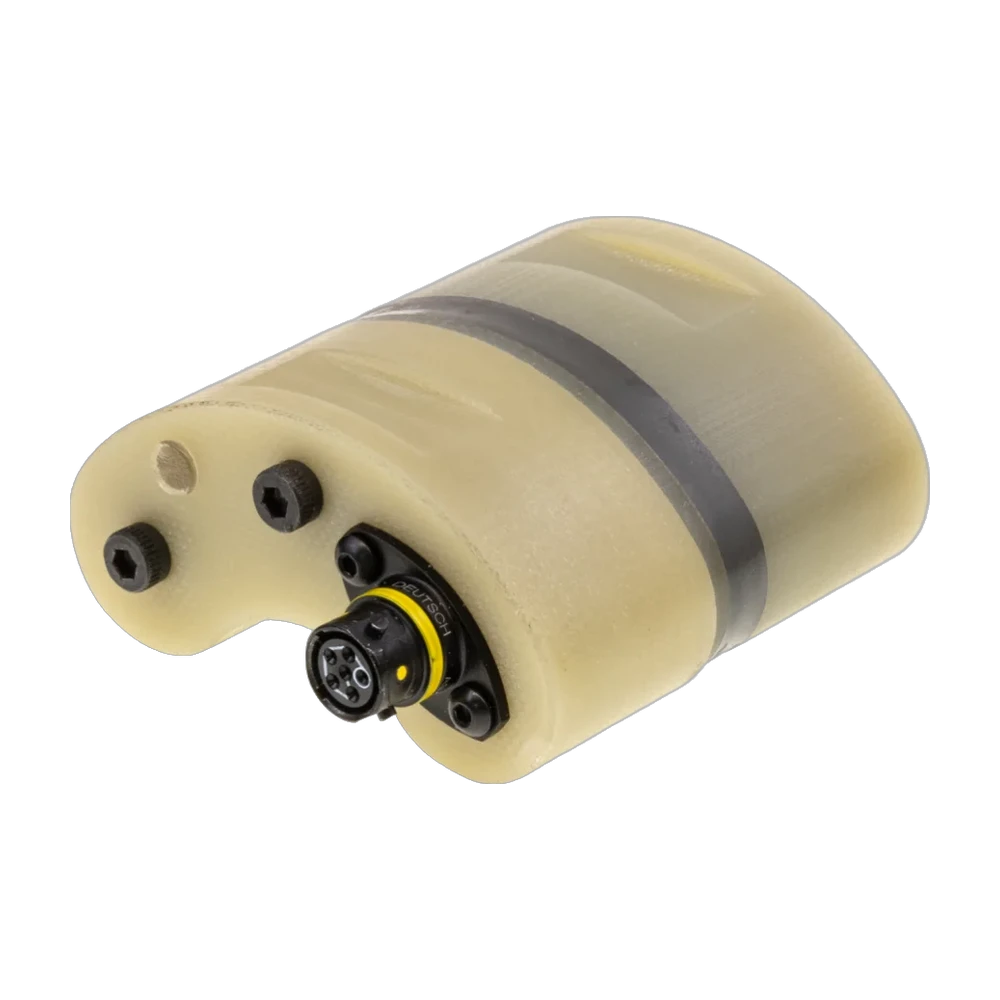
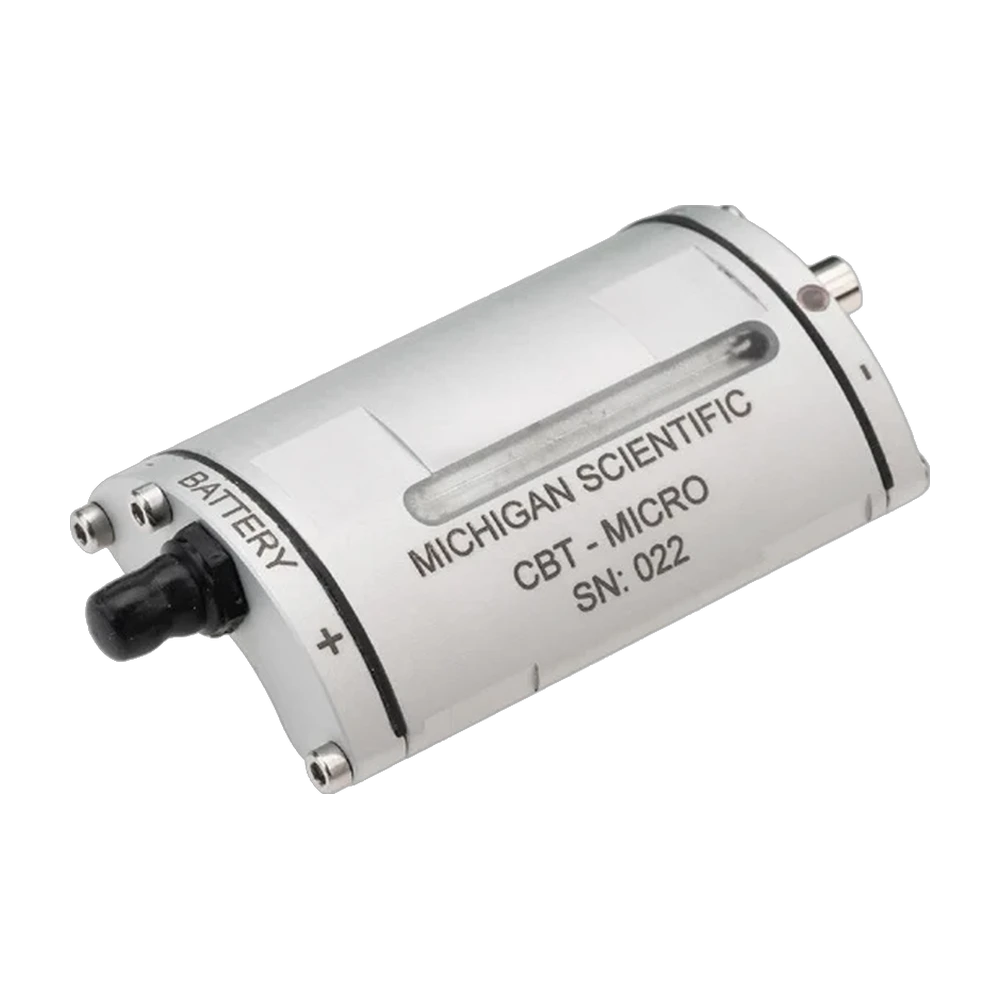
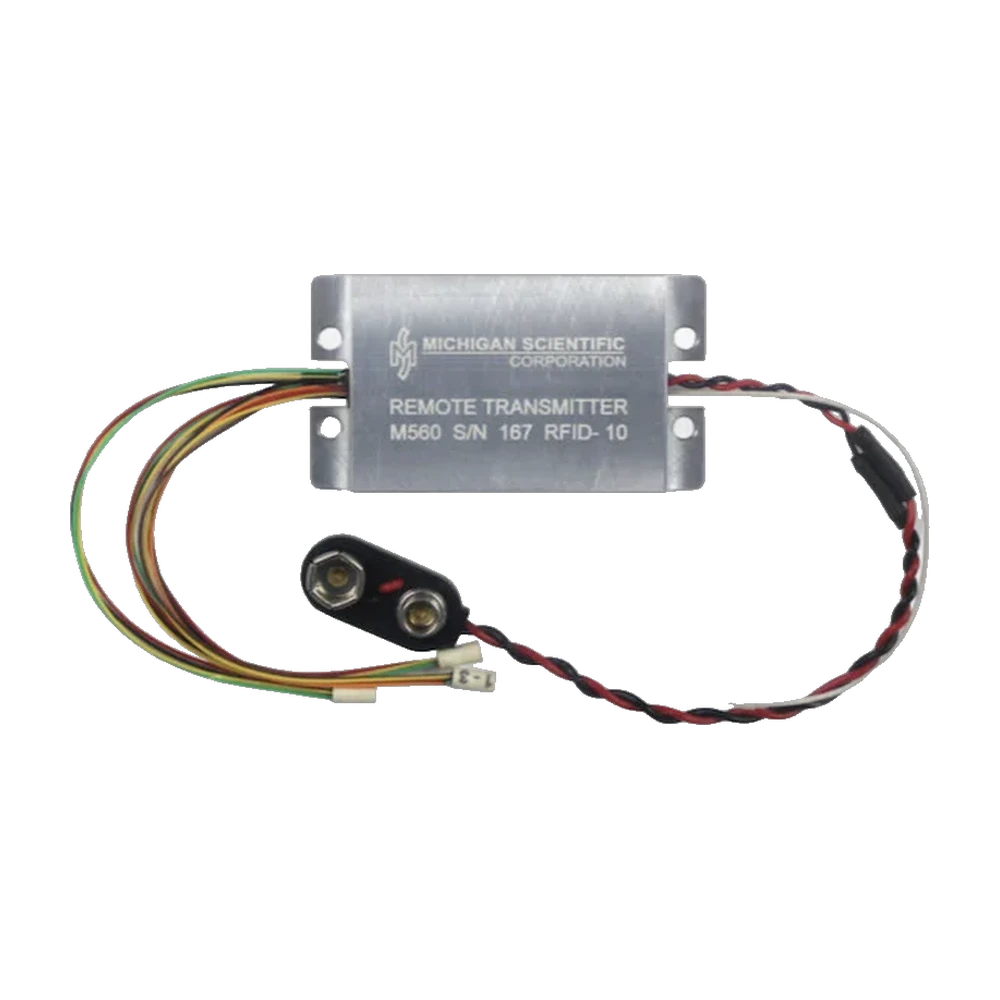
- The transmitterIt rides on the shaft, excites the strain gage bridge, amplifies the signal and digitizes it. The CBT weighs 140 g without batteries; the TEL-SC collar is from 12.1 mm thick radially.
- The powerInduction from a stationary coil for long tests, with no battery to change. A battery when there is no room for a coil and the test is short: the CBT runs 48 h with one bridge, 36 h with two.
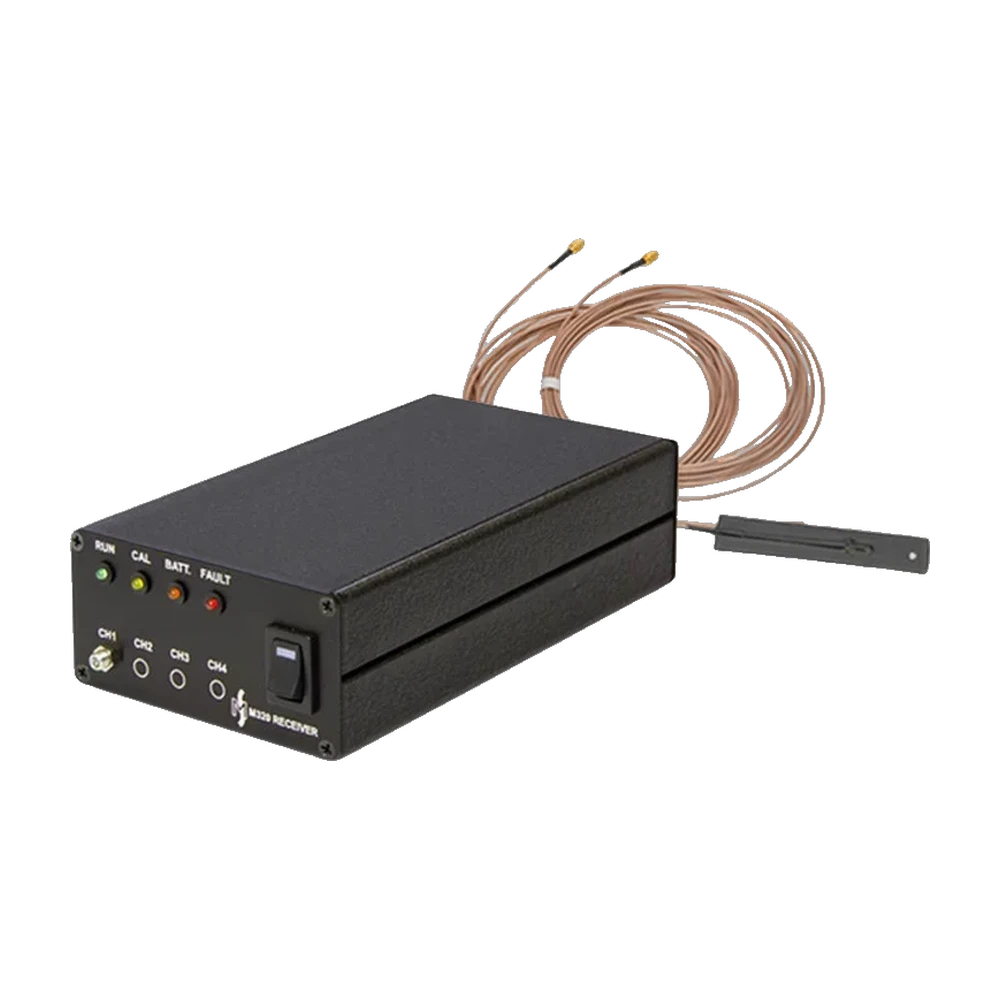
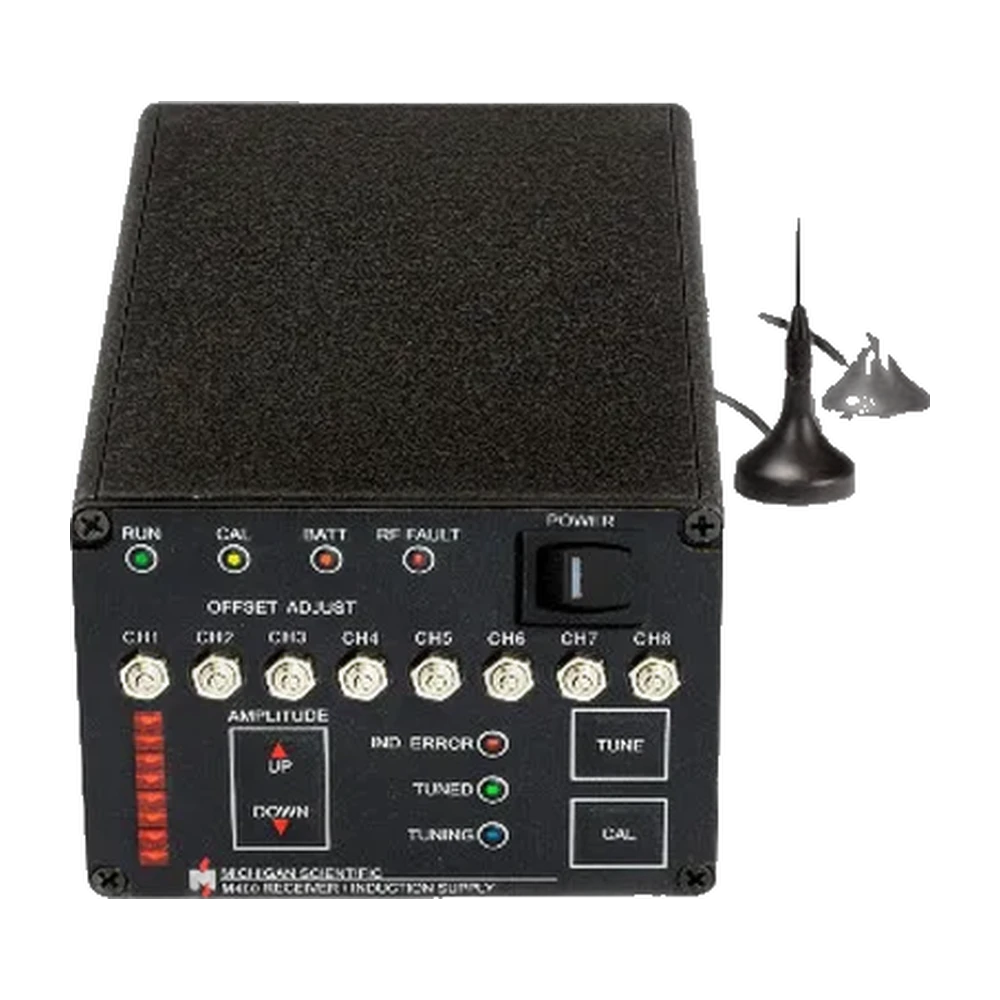
- The receiverIt receives the digital signal, checks it for errors and gives your recorder a ±10 V analog output, or Ethernet on the 460 series.
Telemetry selection
Fitting, channel count, input type, power. Models meeting every criterion, ranked by margin.
Set the criteria. Closest models first.
| Model | Channels | Input | Power | Actions |
|---|---|---|---|---|
| CIT | 1 · 2 | Strain gage bridge (full bridge) | Induction | Request a quote Datasheet |
| CBT | 2 | Strain gage bridge (full bridge) | Battery | Request a quote Datasheet |
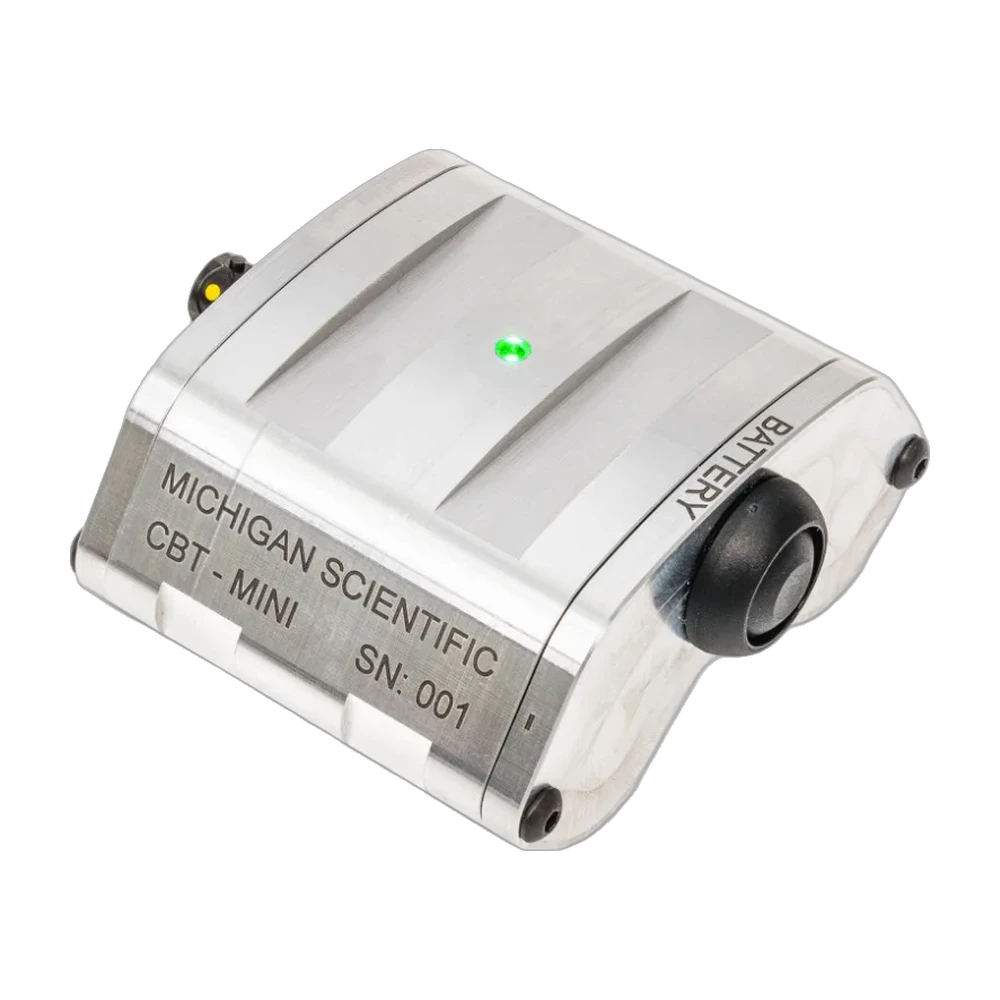
| CBT-mini | 1 | Strain gage bridge (full bridge) | Battery | Request a quote Datasheet |
| CBT-MICRO | 1 | Strain gage bridge (full bridge) | Battery | Request a quote Datasheet |
| CBT-MICRO-3 | 1 | Strain gage bridge (full bridge) | Battery | Request a quote Datasheet |
| TEL-SC | 1 to 12 (1 to 3 on hoops under 76 mm) | Strain gage bridge · Thermocouple (differential amplifiers) | Induction (double loop or paddle primary) | Request a quote Datasheet |
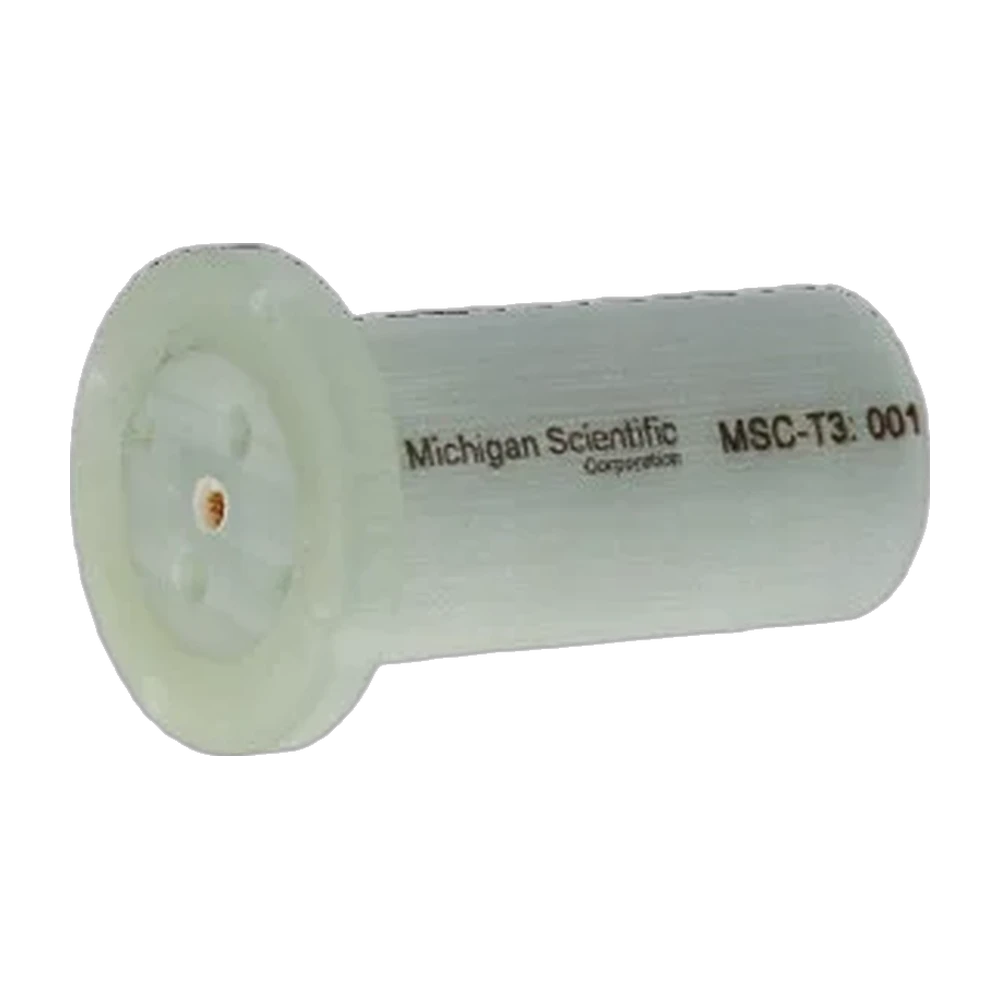
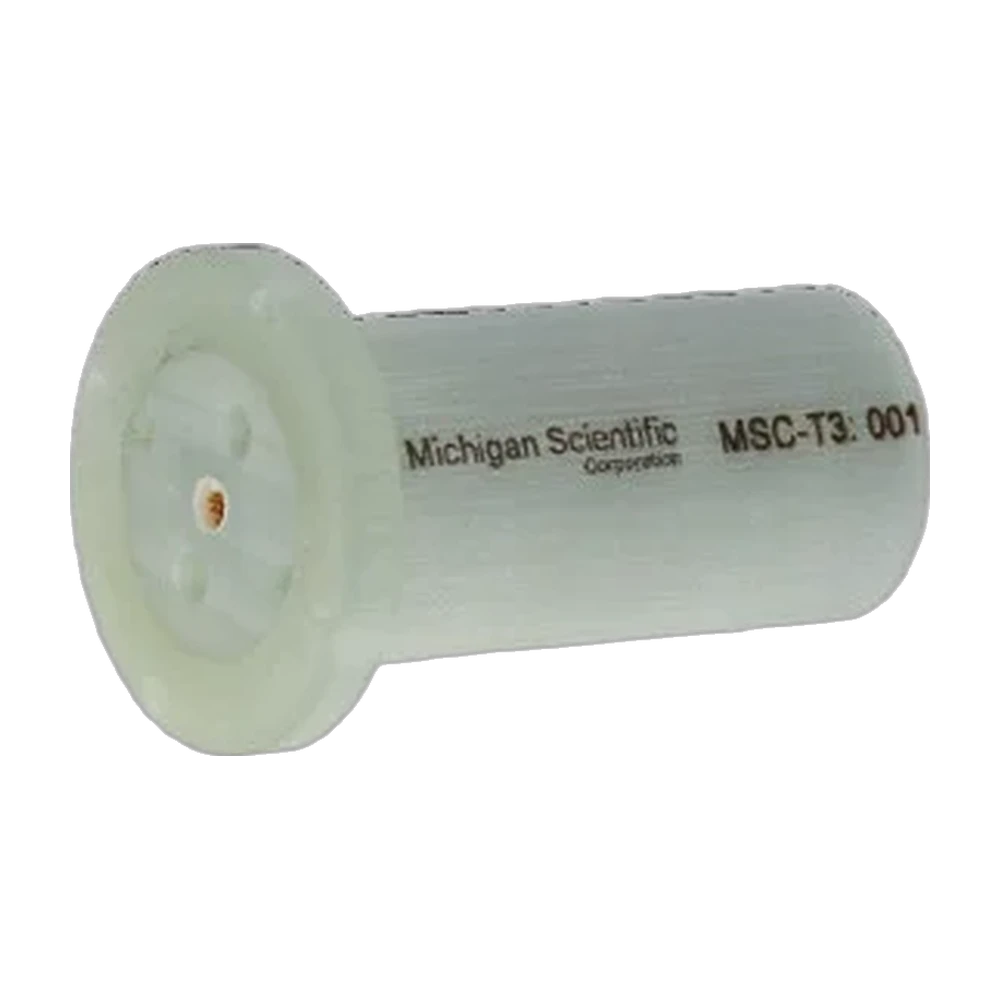
| Model T3 | 3 | Strain gage bridge · Thermocouple (configurable) | Induction | Request a quote Datasheet |
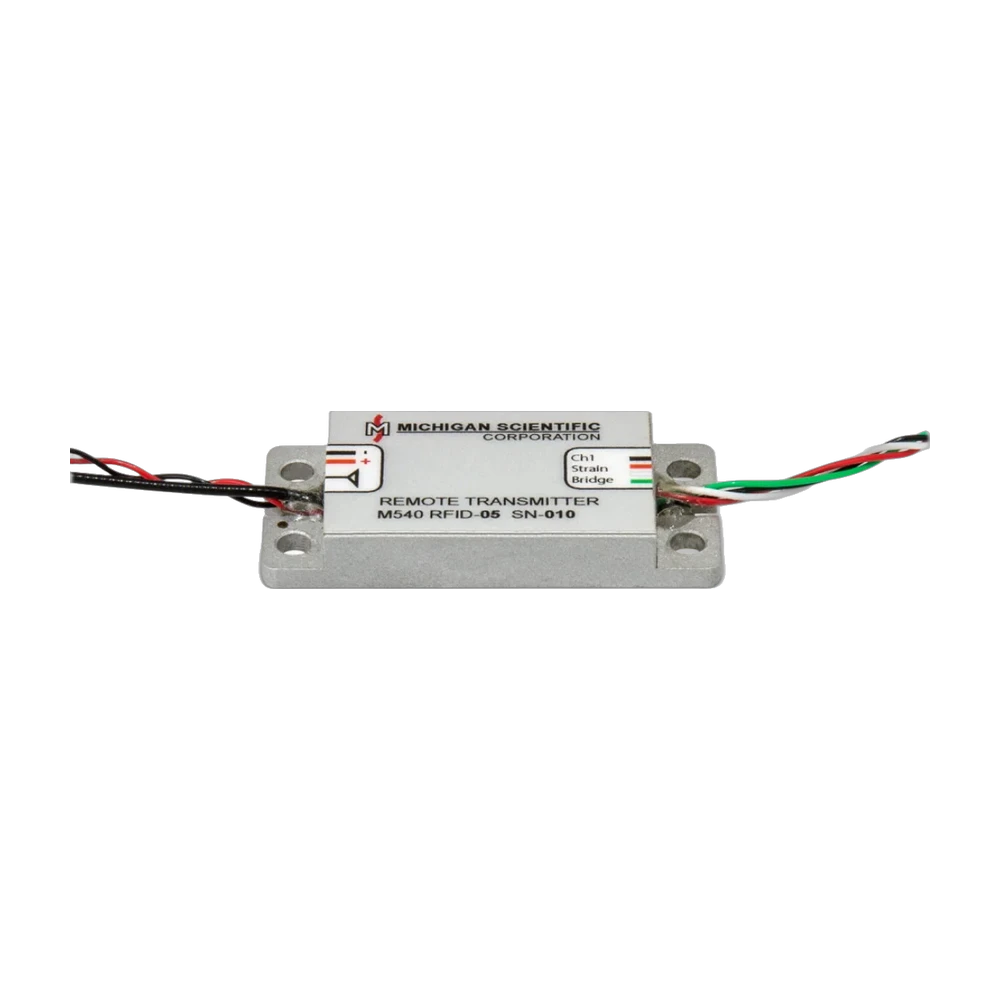
| 540 Series | 1 to 3 | Strain gage bridge · Thermocouple | Battery · Induction | Request a quote Datasheet |
| Series 320 | 1 to 3 | Strain gage bridge · Thermocouple (full bridge; configurable per channel) | Battery · Induction | Request a quote Datasheet |
| M560 | 1 to 8 | Strain gage bridge · Thermocouple (full bridge) | Battery · Induction | Request a quote Datasheet |
| Model T8 | 8 | Strain gage bridge · Thermocouple (full bridge) | Induction | Request a quote Datasheet |
| Series 460 | 1 to 8 | Strain gage bridge · Thermocouple (full bridge) | Battery · Induction | Request a quote Datasheet |
No catalogue model meets every criterion. Custom versions exist: ask us.
Shaft diameter and available length known? Send them, an application engineer selects the transmitter and the collar. Send the data
Applications
-
 Efficiency Vehicle efficiency and power mapping Torque and speed measured at each driveline stage, from engine to wheel, so each power loss has a location.
-
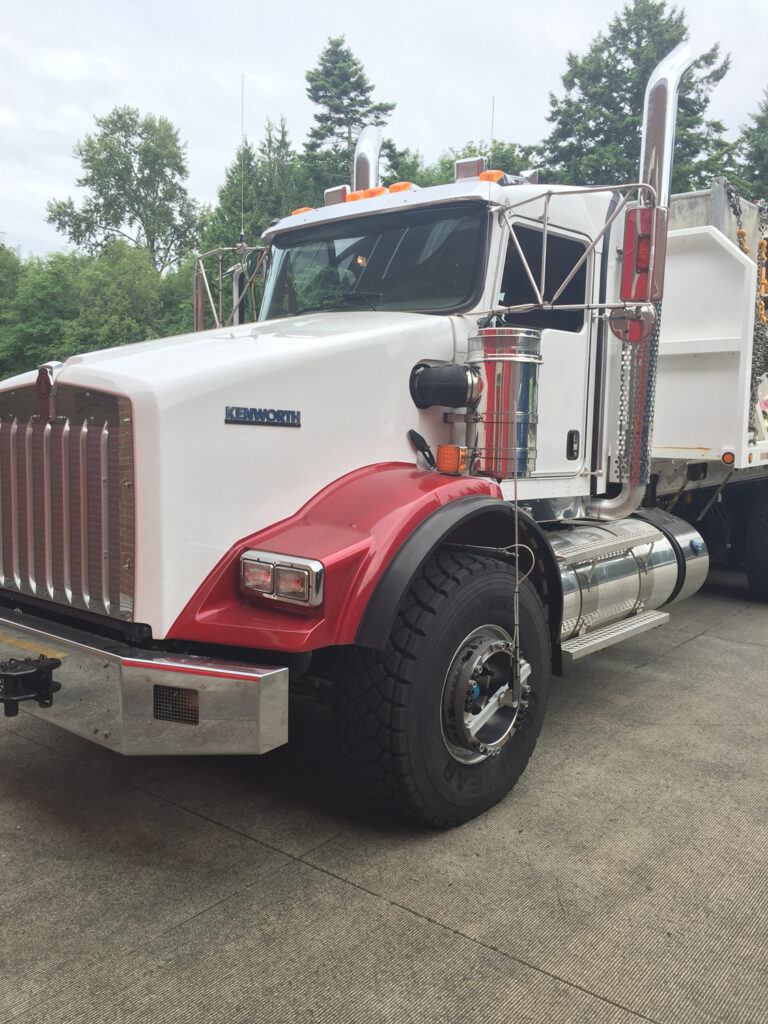
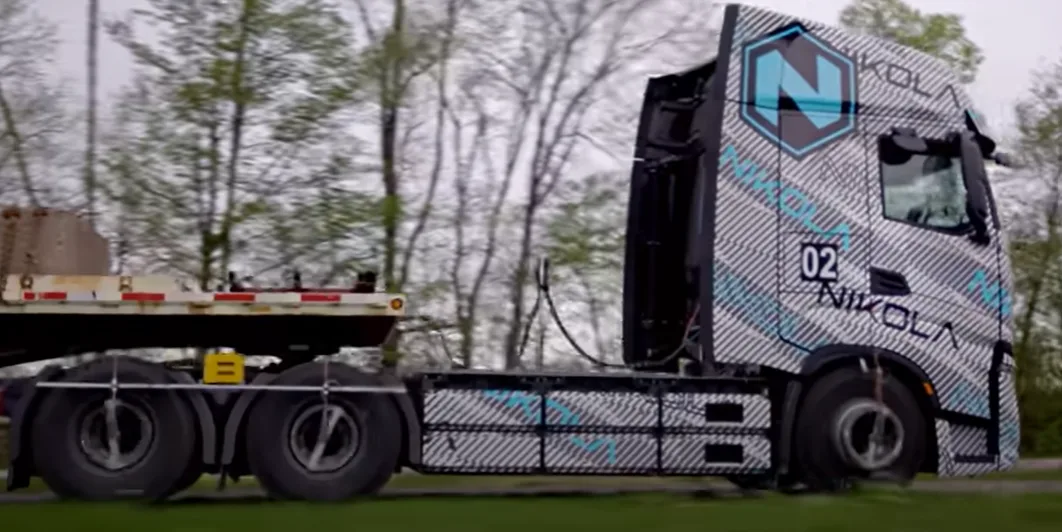 Powertrain Truck solid axle torque Drive torque on a truck solid axle, read by strain gages inside the shaft and brought out at the wheel.
-
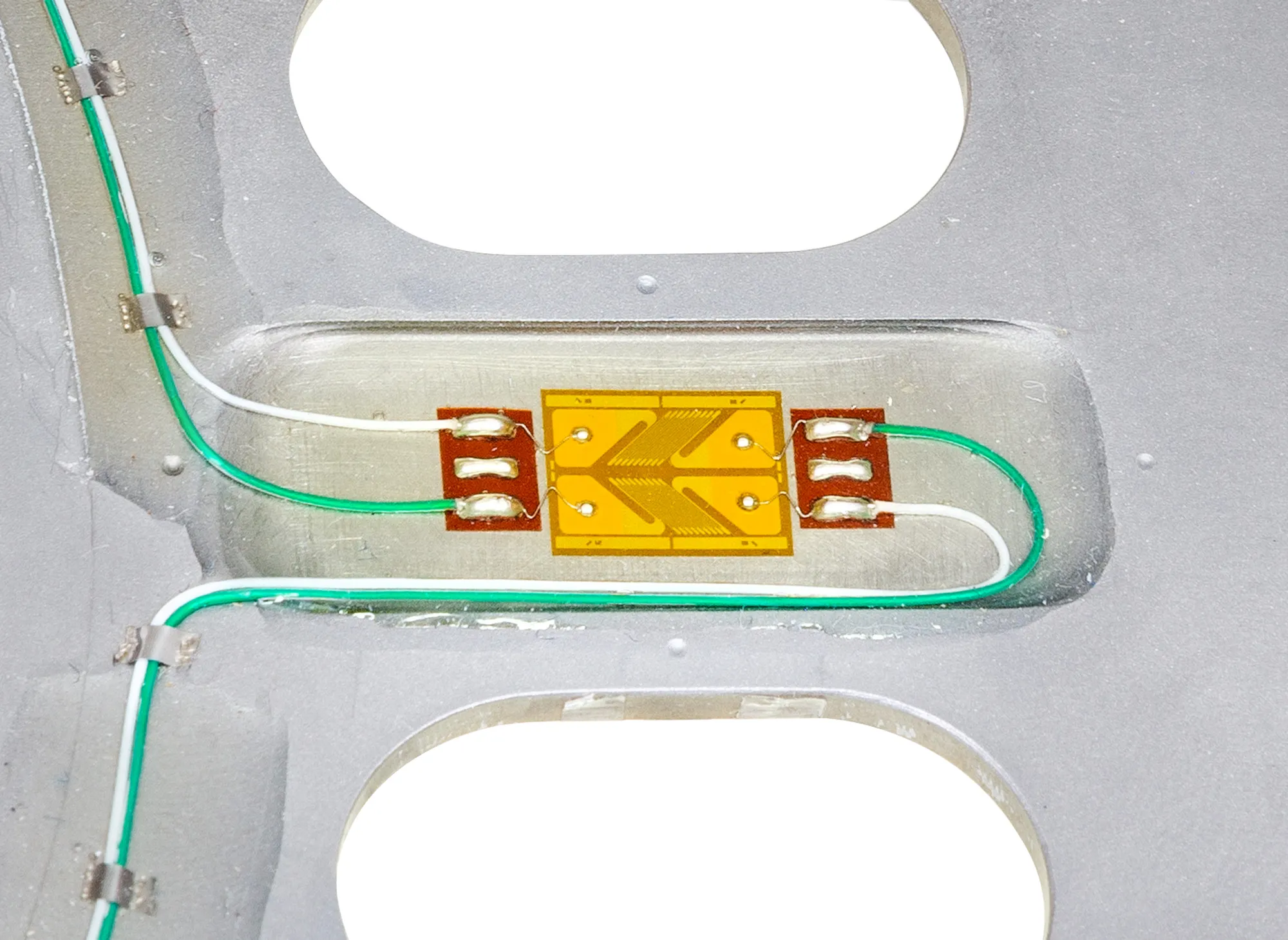 Engine Crankshaft measurements Torque, bending and strain on the production crankshaft with the engine running, in the vehicle or on the dyno.
-
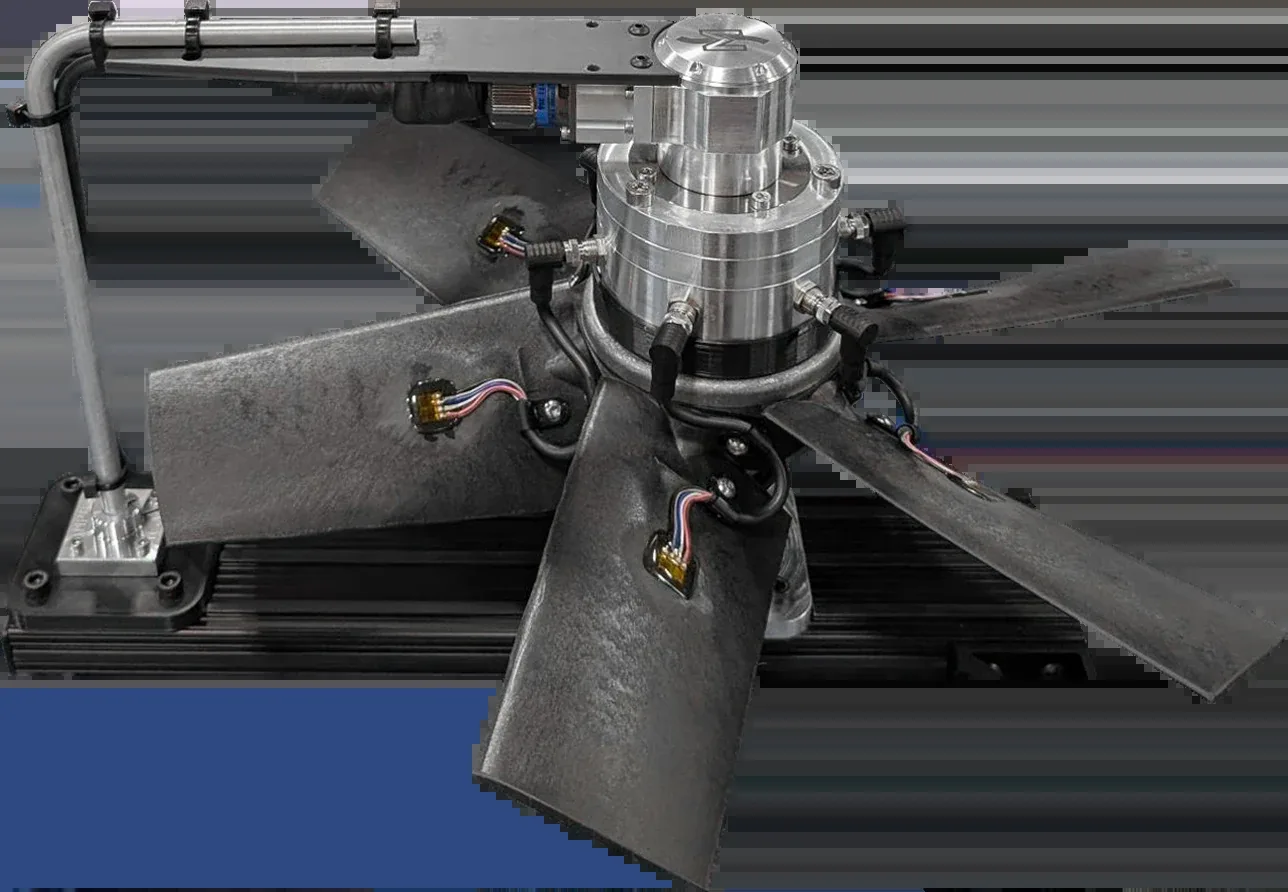 Turbines Fan and turbine blades Strain and temperature from many points on the blades, recorded together while the rotor turns.
Services for telemetry
-
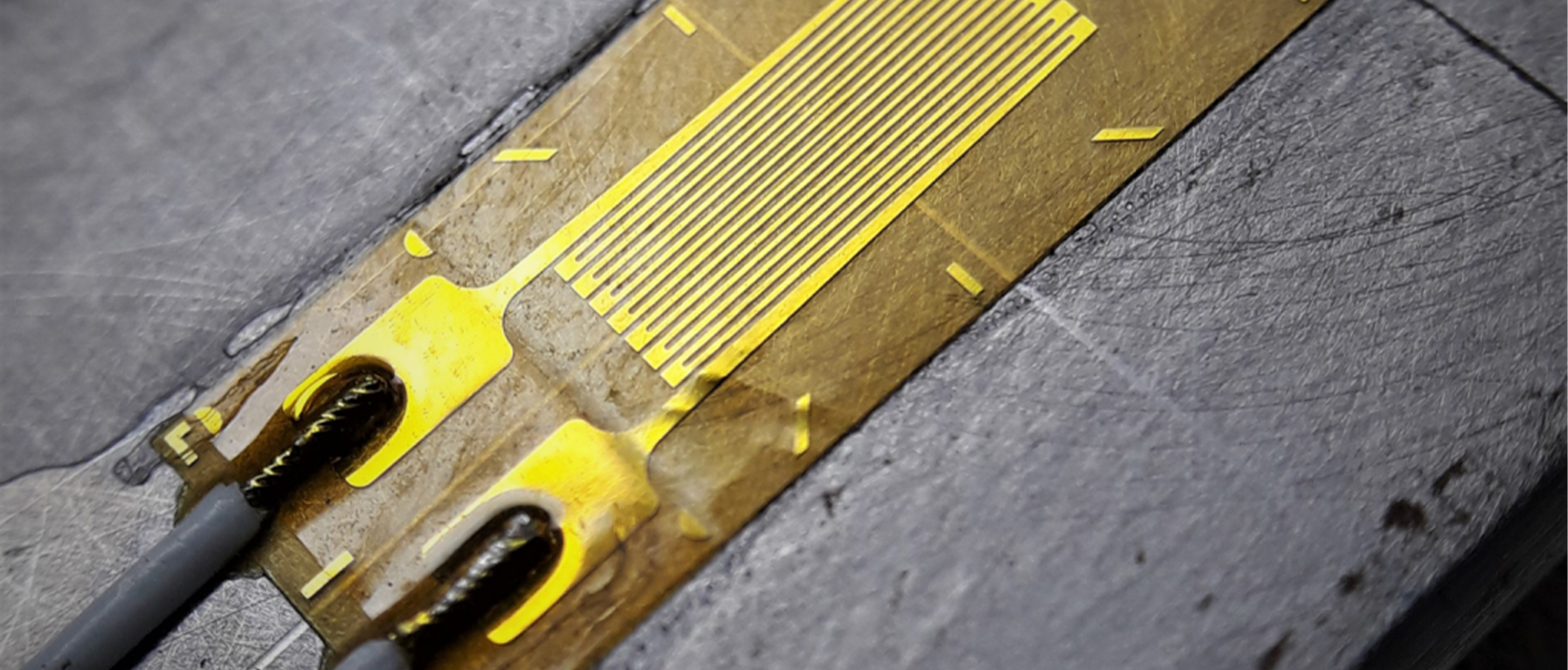 Service Strain gaging of your shaft Your shaft strain gaged in the workshop, calibrated in torque and fitted with its transmitter. See the service
-
 Service Rental Clamp-on telemetry rented as a complete system for the duration of your campaign. See the service
-
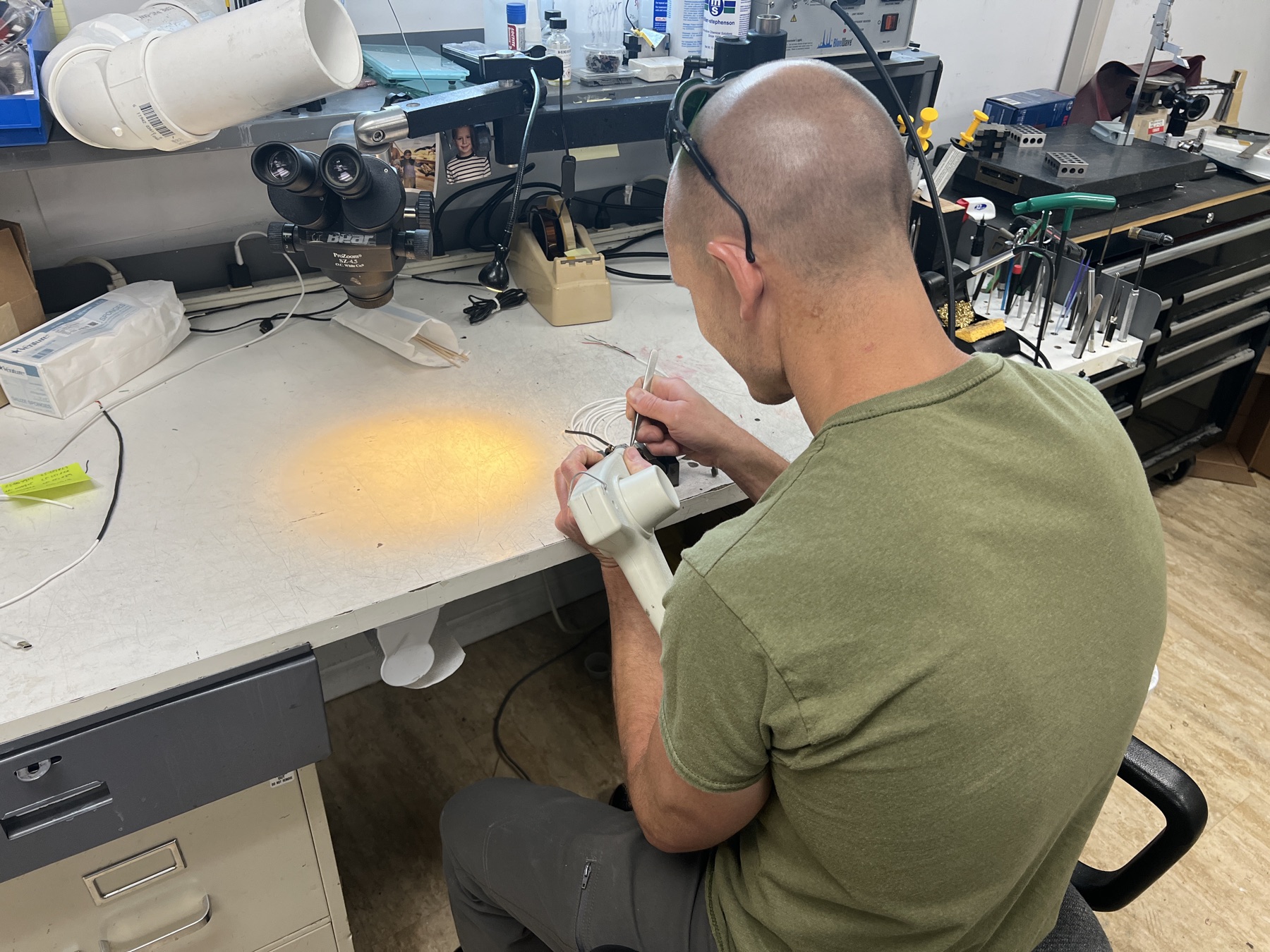 Service Return and repair Inspection, verification and repair of the Michigan Scientific telemetry we supplied. See the service
Guides, manuals and brochures
Choose between telemetry and a slip ring, install a transmitter, show the range.
- Selection guide
Slip ring or telemetry
Six questions about the shaft and the test, and the slip ring or telemetry series each answer points to.
Read the guide - Manuals
Clamp-on telemetry
Installation and use of the transmitters clamped to the shaft.
- Manuals
End-of-shaft telemetry
The Model T3, three channels, and the Model T8, eight channels.
- Brochures
Brochures and flyers
The telemetry range, and two applications on paper.
What engineers ask first
How long does a battery telemetry last?
CBT: up to 48 hours with one bridge, 36 hours with two. CBT-mini: up to 28 hours with 1 channel. For longer tests use an induction-powered CIT or TEL-SC.
Does the shaft need machining?
No. CIT and CBT clamp on with cable ties, with no adapter; the TEL-SC split collar closes around the shaft.
Can you strain gage the shaft as well?
Yes. Send the shaft; it comes back gaged, calibrated in torque and fitted with its transmitter.
Which transmitter for your shaft?
Diameter, speed, channels, test duration. An application engineer answers with a reference and a price.
More details to give? Use the full contact form.